Sport on Earth › Sports
Sport on Earth · Sport
Cricket
How it’s played
A fielding side tries to dismiss batters and limit runs; batters score by running between wickets or hitting boundaries. Formats are T20, one-day, and multi-day Tests.
History
Developed in England in the 17th and 18th centuries; first Test 1877; T20 arrived in 2003 and the IPL in 2008.
The pro scene
Professional: International teams plus franchise leagues: IPL, Big Bash, PSL, SA20, The Hundred; first-class tournaments like the County Championship and Ranji Trophy.
College and school: School and university cricket is strong in India, Pakistan, the UK, Australia, and the Caribbean.
Grassroots and other: Street and tape-ball cricket, club leagues, village sides, and indoor cricket.
Season calendar
IPL in spring; Ashes and bilateral Test series by summer; ICC T20 and ODI World Cups on a multi-year cycle.
Dates above are recurring patterns, not confirmed fixtures.
League histories
- ICC (all formats) — founded 1909. Cricket’s global governing body, overseeing Test, one-day and other international cricket.
Leagues
ICC (all formats) Desk
ICC (all formats)
14 team views · 26 pieces · 12 videos
News Desk
News stories from around the world, gathered and sourced by the Sport on Earth desk.
Cricket on the program for ICC Cricket World Cup 2027
Cricket is carried on the program for ICC Cricket World Cup 2027, 2 October – 21 November 2027, in South Africa, Zimbabwe and Namibia. A fielding side tries to dismiss batters and limit runs; batters score by running between wickets or hitting boundaries. Formats are T20, one-day, and multi-day Tests. The desk carries the sport’s full record — guide, calendar and history — on its own page.
ICC schedule release, 1 October 2026 · Nov 2026
Cricket on the program for Los Angeles 2028 Olympic Games
Cricket is carried on the program for Los Angeles 2028 Olympic Games, 14 – 30 July 2028, in Los Angeles, USA. A fielding side tries to dismiss batters and limit runs; batters score by running between wickets or hitting boundaries. Formats are T20, one-day, and multi-day Tests. The desk carries the sport’s full record — guide, calendar and history — on its own page.
LA28 / IOC · Nov 2026
Columns & Stories
Written by Sport on Earth’s journalists — columns, features and interviews from the desk.
ICC (all formats) Desk · Column
Three Formats, Three Rulebooks, One Argument
This desk’s standing column is titled ’One Sport, Three Formats, No Single King’, and the site’s rules dossier reads like the evidence file for it. Cricket does not have a rulebook so much as a sediment: the Decision Review System, trialled in 2008 and formalised in Tests in 2009; the free hit in limited-overs cricket from 2007; two new balls in ODIs from 2011; the Super Over, in place since 2008, finally rid of boundary countback in 2019; saliva banned, suspended in 2020 and written into the Laws in 2022; and the run-out at the non-striker’s end — the ’Mankad’ — normalised as a plain run out in the 2022 Code. Every entry is a format arguing with itself about what fairness means at its own speed.
November 1, 2026
ICC (all formats) Desk · Column
The Roll Is the Argument: What Cricket World Cup finals Really Tells Us
Here is the column’s position, stated plainly: the cricket world cup finals roll — 13 editions, 1975 to 2023, counted from the record this site carries — is a better historian than any panel of experts. Panels argue about eras. The roll just keeps score, and its score says Australia won 6 of those editions. 46.2% of a competition’s entire history is not a hot streak; it is a structural fact.
November 2, 2026
ICC (all formats) Desk · Column
The Roll Is the Argument: What ICC Men’s T20 World Cup winners Really Tells Us
Here is the column’s position, stated plainly: the icc men’s t20 world cup winners roll — 10 editions, 2007 to 2026, counted from the record this site carries — is a better historian than any panel of experts. Panels argue about eras. The roll just keeps score, and its score says India won 3 of those editions. 30.0% of a competition’s entire history is not a hot streak; it is a structural fact.
November 2, 2026
ICC (all formats) Desk · Column
Who Gets In, Who Waits: The Australian Cricket Hall of Fame Standard
The Australian Cricket Hall of Fame roll this site carries holds 68 names, inducted from 1996 to 2026. Every hall of fame is really two institutions: the one that inducts, and the one that makes the inducted argue about the standard. This column is about the second one.
November 2, 2026
ICC (all formats) Desk · Column
Who Gets In, Who Waits: The ICC Cricket Hall of Fame Standard
The ICC Cricket Hall of Fame roll this site carries holds 125 names, inducted from 2009 to 2026. Every hall of fame is really two institutions: the one that inducts, and the one that makes the inducted argue about the standard. This column is about the second one.
November 2, 2026
ICC (all formats) Desk · Column
Institutions Outlive Seasons: A Column on the ICC (all formats)
A column about a league should begin where the league began: Founded in 1909 as the Imperial Cricket Conference, by England, Australia and South Africa.. The ICC (all formats) — Cricket’s global governing body, overseeing Test, one-day and other international cricket. — has since been many things, but it has never stopped being that founding decision, renewed every season.
November 2, 2026
ICC (all formats) Desk · Column
The ICC (all formats) Notebook: A League in Its Own Image
Every league desk keeps a notebook that is not really about results. This is ours for the ICC (all formats). The census record this site carries describes its sport in one line — A fielding side tries to dismiss batters and limit runs; batters score by running between wickets or hitting boundaries. Formats are T20, one-day, and multi-day Tests. — and files it under Bat, stick & racket, in the batball family of sports. One line is a discipline: before the desk argues about a league, it has to say what the league is.
November 2, 2026
ICC (all formats) Desk · Column
What the ICC (all formats) Record Asks of Its Next Season
A new season of the ICC (all formats) makes three quiet demands, and the record — not the hype — names them. It asks about the roll’s next line: Australia won the 2023 edition of the cricket world cup finals, and West Indies’s 44-year wait is the roll’s longest open one; the hall’s next class: the Australian Cricket Hall of Fame roll stands at 68 names, its most recent from 2026; the institution’s next chapter: a league founded in 1909 that has already survived every previous version of this argument.
November 2, 2026
ICC (all formats) Desk · Column
The Whole File: A Column on Cricket
A column about an entire sport, which is an immodest assignment, so begin with the file: this desk covers Cricket through 1 league desks, 10 news items and the rolls, halls and histories this site carries for it. The file is the column’s subject — what a sport looks like when you keep all of it in one place.
November 2, 2026
ICC (all formats) Desk · Feature
The Long Roll: Cricket World Cup finals and the Weight of Australia
Count the cricket world cup finals roll the way this site carries it — 13 editions, 1975 to 2023 — and one name does the heavy lifting: Australia, champions 6 times. That is 46.2% of the roll’s whole history, a share no argument about eras can explain away.
November 2, 2026
ICC (all formats) Desk · Feature
The Long Roll: ICC Men’s T20 World Cup winners and the Weight of India
Every roll of honor is an argument about time, and the icc men’s t20 world cup winners roll — 10 editions counted from the record this site carries, running from 2007 to 2026 — argues louder than most. At the top of it sits India with 3 titles, 30.0% of every edition ever decided. The rest of the roll is the story of everyone who ever tried to move them.
November 2, 2026
ICC (all formats) Desk · Feature
The First Class: Australian Cricket Hall of Fame and the 1996 Inductees
Every hall of fame is founded twice: once when the building opens, and once when the first class walks in. For the Australian Cricket Hall of Fame in Melbourne, Australia, that moment came in 1996, when 10 names were inducted together: Jack Blackham ^, Fred Spofforth $, Victor Trumper $, Clarrie Grimmett $, Bill Ponsford, Don Bradman ‡^$. The roll this site carries now runs to 68 inductees — and it still begins with them.
November 2, 2026
ICC (all formats) Desk · Feature
The First Class: ICC Cricket Hall of Fame and the 2009 Inductees
Every hall of fame is founded twice: once when the building opens, and once when the first class walks in. For the ICC Cricket Hall of Fame in Administered by the International Cricket Council, that moment came in 2009, when 60 names were inducted together: Wasim Akram, Sydney Barnes, Bishan Bedi, Alec Bedser, Richie Benaud, Allan Border. The roll this site carries now runs to 125 inductees — and it still begins with them.
November 2, 2026
ICC (all formats) Desk · Feature
Founded on a Line in the Record: The ICC (all formats) Story
The ICC (all formats) file this site carries opens with a single line: Founded in 1909 as the Imperial Cricket Conference, by England, Australia and South Africa.. Everything else about the league — its identity as Cricket’s global governing body, overseeing Test, one-day and other international cricket. — flows from that founding and what it absorbed along the way: Founded as the Imperial Cricket Conference; later the International Cricket Conference.
November 2, 2026
ICC (all formats) Desk · Feature
So Close: New Zealand and the Cricket World Cup finals Finals That Got Away
New Zealand has reached 2 cricket world cup finals finals — 2015, 2019 — and won none of them. On the roll this site carries (13 editions, 1975 to 2023), no name has collected more finals without taking a title home.
November 5, 2026
ICC (all formats) Desk · Feature
The Streak: Australia’s 3 Straight Cricket World Cup finals
Consecutive titles are the hardest currency on any roll, and the cricket world cup finals roll this site carries holds one clear entry: Australia, 3 straight editions from 1999 to 2007. Across 13 editions (1975 to 2023), no other run on the roll is longer.
November 13, 2026
ICC (all formats) Desk · Feature
The Waiting: Pakistan and the 17-Year ICC Men’s T20 World Cup winners Drought
Count the icc men’s t20 world cup winners roll the way this site carries it — 10 editions, 2007 to 2026 — and its quietest line is a wait: Pakistan last won it in 2009, 17 years before the roll’s latest edition. No other past champion on the roll has waited longer, and the roll measures the wait in public, one edition at a time.
November 21, 2026
ICC (all formats) Desk · Interview — the Sport on Earth desk, in its own words
Five Questions With the ICC (all formats) Desk
The Sport on Earth ICC (all formats) desk takes questions on the season across formats. The desk answers in its own words — no player is quoted, and nothing here is presented as anyone else’s statement.
ICC (all formats) Desk · Interview — the Sport on Earth desk, in its own words
Five Questions With the ICC (all formats) Desk: The Cricket World Cup finals Roll
The Sport on Earth ICC (all formats) Desk takes questions on the cricket world cup finals roll. The desk answers in its own words — no player, coach or official is quoted, and nothing here is presented as anyone else’s statement. 13 editions, 1975–2023; most titles Australia (6); 6 distinct winners.
ICC (all formats) Desk · Interview — the Sport on Earth desk, in its own words
Five Questions With the ICC (all formats) Desk: The ICC Men’s T20 World Cup winners Roll
The Sport on Earth ICC (all formats) Desk takes questions on the icc men’s t20 world cup winners roll. The desk answers in its own words — no player, coach or official is quoted, and nothing here is presented as anyone else’s statement. 10 editions, 2007–2026; most titles India (3); 6 distinct winners.
ICC (all formats) Desk · Interview — the Sport on Earth desk, in its own words
Five Questions With the ICC (all formats) Desk: Inside the Australian Cricket Hall of Fame
The Sport on Earth ICC (all formats) Desk takes questions on the Australian Cricket Hall of Fame. The desk answers in its own words — no player, coach or official is quoted, and nothing here is presented as anyone else’s statement. Every figure below is counted from the hall’s own roll as this site carries it.
ICC (all formats) Desk · Interview — the Sport on Earth desk, in its own words
Five Questions With the ICC (all formats) Desk: Inside the ICC Cricket Hall of Fame
The Sport on Earth ICC (all formats) Desk takes questions on the ICC Cricket Hall of Fame. The desk answers in its own words — no player, coach or official is quoted, and nothing here is presented as anyone else’s statement. Every figure below is counted from the hall’s own roll as this site carries it.
ICC (all formats) Desk · Interview — the Sport on Earth desk, in its own words
Five Questions With the ICC (all formats) Desk: The ICC (all formats) File
The Sport on Earth ICC (all formats) Desk takes questions on the ICC (all formats) file. The desk answers in its own words — no player, coach or official is quoted, and nothing here is presented as anyone else’s statement. The answers draw on the league history this site carries.
ICC (all formats) Desk · Interview — the Sport on Earth desk, in its own words
Five Questions With the ICC (all formats) Desk: The ICC (all formats) Briefing
The Sport on Earth ICC (all formats) Desk takes questions on the ICC (all formats). The desk answers in its own words — no player, coach or official is quoted, and nothing here is presented as anyone else’s statement. A standing briefing, refreshed from the files this site carries.
ICC (all formats) Desk · Interview — the Sport on Earth desk, in its own words
Five Questions With the ICC (all formats) Desk: ICC (all formats) by the Numbers
The Sport on Earth ICC (all formats) Desk takes questions on the ICC (all formats) in numbers. The desk answers in its own words — no player, coach or official is quoted, and nothing here is presented as anyone else’s statement. Every answer below is a count taken from the site’s own files.
ICC (all formats) Desk · Interview — the Sport on Earth desk, in its own words
Five Questions With the ICC (all formats) Desk: Cricket World Cup finals, Decade by Decade
The Sport on Earth ICC (all formats) Desk takes questions on the cricket world cup finals roll by decade. The desk answers in its own words — no player, coach or official is quoted, and nothing here is presented as anyone else’s statement. 13 editions, 1975–2023; most titles Australia (6); 6 distinct winners.
Writing Desk
Everything the desk has published for Cricket, organised by section.
News
- Cricket on the program for ICC Cricket World Cup 2027
- Cricket on the program for Los Angeles 2028 Olympic Games
From the News Desk · all news, every sport →
Stories
- The Long Roll: Cricket World Cup finals and the Weight of Australia ICC (all formats) Desk · November 2, 2026
- The Long Roll: ICC Men’s T20 World Cup winners and the Weight of India ICC (all formats) Desk · November 2, 2026
- The First Class: Australian Cricket Hall of Fame and the 1996 Inductees ICC (all formats) Desk · November 2, 2026
- The First Class: ICC Cricket Hall of Fame and the 2009 Inductees ICC (all formats) Desk · November 2, 2026
- Founded on a Line in the Record: The ICC (all formats) Story ICC (all formats) Desk · November 2, 2026
- So Close: New Zealand and the Cricket World Cup finals Finals That Got Away ICC (all formats) Desk · November 5, 2026
- The Streak: Australia’s 3 Straight Cricket World Cup finals ICC (all formats) Desk · November 13, 2026
- The Waiting: Pakistan and the 17-Year ICC Men’s T20 World Cup winners Drought ICC (all formats) Desk · November 21, 2026
All stories across every sport →
Columns
- Three Formats, Three Rulebooks, One Argument ICC (all formats) Desk · November 1, 2026
- The Roll Is the Argument: What Cricket World Cup finals Really Tells Us ICC (all formats) Desk · November 2, 2026
- The Roll Is the Argument: What ICC Men’s T20 World Cup winners Really Tells Us ICC (all formats) Desk · November 2, 2026
- Who Gets In, Who Waits: The Australian Cricket Hall of Fame Standard ICC (all formats) Desk · November 2, 2026
- Who Gets In, Who Waits: The ICC Cricket Hall of Fame Standard ICC (all formats) Desk · November 2, 2026
- Institutions Outlive Seasons: A Column on the ICC (all formats) ICC (all formats) Desk · November 2, 2026
- The ICC (all formats) Notebook: A League in Its Own Image ICC (all formats) Desk · November 2, 2026
- What the ICC (all formats) Record Asks of Its Next Season ICC (all formats) Desk · November 2, 2026
- The Whole File: A Column on Cricket ICC (all formats) Desk · November 2, 2026
All columns across every sport →
Interviews
- Five Questions With the ICC (all formats) Desk ICC (all formats) Desk
- Five Questions With the ICC (all formats) Desk: The Cricket World Cup finals Roll ICC (all formats) Desk
- Five Questions With the ICC (all formats) Desk: The ICC Men’s T20 World Cup winners Roll ICC (all formats) Desk
- Five Questions With the ICC (all formats) Desk: Inside the Australian Cricket Hall of Fame ICC (all formats) Desk
- Five Questions With the ICC (all formats) Desk: Inside the ICC Cricket Hall of Fame ICC (all formats) Desk
- Five Questions With the ICC (all formats) Desk: The ICC (all formats) File ICC (all formats) Desk
- Five Questions With the ICC (all formats) Desk: The ICC (all formats) Briefing ICC (all formats) Desk
- Five Questions With the ICC (all formats) Desk: ICC (all formats) by the Numbers ICC (all formats) Desk
- Five Questions With the ICC (all formats) Desk: Cricket World Cup finals, Decade by Decade ICC (all formats) Desk
Shows
Sport on Earth’s daily and weekly video shows for Cricket — every episode, newest first.
Cricket A Day Daily show
Episode 8 — Mulder’s seven-for seals South Africa’s 2-0 sweep — Renegades win a last-ball WBBL thriller
Ep. 8 — Thursday, November 26, 2026 · 6:17
Episode 7 — Sooryavanshi’s record 204 off 53 balls — Sri Lanka women lift the Emerging Nations Trophy
Ep. 7 — Wednesday, November 25, 2026 · 6:46
Episode 6 — Bangladesh bowled out for 91 at Centurion — Babar Azam’s 86 seals the Vipers’ first win
Ep. 6 — Tuesday, November 24, 2026 · 5:56
Episode 5 — New Zealand bat out 120 overs to save Wellington — Shaheens beat India A in Doha
Ep. 5 — Monday, November 23, 2026 · 5:51
Episode 4 — Australia win an MCG classic with a ball to spare — Munsey’s 125 seals Nepal’s title
Ep. 4 — Sunday, November 22, 2026 · 6:41
Episode 3 — Rahul 136 puts India on top in Wellington — Brook blitz lights up the MCG
Ep. 3 — Saturday, November 21, 2026 · 5:09
Episode 2 — Pakistan seal the series in Rawalpindi — and Nepal are bowled out for 26 in Doha
Ep. 2 — Friday, November 20, 2026 · 3:45
Episode 1 — South Africa rout Bangladesh at the Wanderers — and a record chase lights up the WBBL
Ep. 1 — Friday, November 20, 2026 · 4:16
Videos
Every embed below was verified playable before listing — the network’s standing rule.
Rashid Khan
Best Of: Rashid Khan Highlights
#2 on the board · Bowler · Afghanistan
Virat Kohli
Virat Kohli 90*(52) Vs CSK || Highlights || Ball By Ball #viratkohli #rcbvscsk
#4 on the board · Batter · India
Abhishek Sharma
IND vs NZ HIGHLIGHTS | Abhishek Sharma Batting HIGHLIGHTS Today | 3rd T20 Match Highlight | Vaibhav
#5 on the board · Batter · India
Rohit Sharma
Rohit Sharma Hits 140! | India v Pakistan - Match Highlights | ICC Cricket World Cup 2019
#7 on the board · Batter · India
Babar Azam
Babar Azam 90(58) vs South Africa Ball by Ball & Extended Highlights
#8 on the board · Batter · Pakistan
View all videos (10)Show fewer videos
Shai Hope
West Indies vs England 1st ODI 🏏 | Shai Hope SMASHES SUPER CENTURY! 💯 | TNT Cricket Highlights
#9 on the board · Batter · West Indies
Matt Henry
Matt Henry 6-29(18.1) Vs England 2nd Test 2026 - Oval | Ball By Ball Highlights
#10 on the board · Bowler · New Zealand
Keshav Maharaj
KESHAV MAHARAJ IN CLUB CRICKET | CRICKET HIGHLIGHTS: TBCC vs Cuckfield Away 2013
#11 on the board · Bowler · South Africa
Top 7 Funny 😂 Moments in Cricket Ever || Funny Cricket videos
YouTube · Cric Loot HD
🤣 FUNNIEST Cricket Moments
YouTube · England & Wales Cricket Board
Everything for Cricket
Pages
On this page
- How it’s played
- History
- The pro scene
- Season calendar
- League histories
- Leagues
- News Desk
- Columns & Stories
- Writing Desk
- Videos
- Reader comments
- Games, Lab & Calendar
- Story extras
- Season Calendar
- The Physics Lab
- The Record Lab
- Sponsorship History
- How to Play Cricket
- Equipment Through Time — Cricket
- Analytics — Cricket
- Rule Changes & Named Rules
- Results & Fixtures
- History & Records
- Review Room — in-game and post-game review & analysis
- Cricket in pictures & numbers
- Hall of Fame
- Stories from the Record
- On screen
- Major leagues, in depth
- Tools for Cricket
- Player & referee associations
- Cricket — Tactics & Strategy
- Behind the Play
Games, Lab & Calendar
Games for this sport
Sport on Earth Pinball
Real pinball on a table themed for this sport — the game carries a Cricket theme.
Daily Trivia
A new set of questions every day, across every sport this site covers.
Top Sport on Earth
Real-athlete Top Sport on Earth decks built from the site’s verified board data.
The Lab
Cricket's lab is the Physics Lab section on this page — the applied physics of its sport family, with a computed interactive where one honestly fits.
Physics Arena — the general biomechanics & physics teaching sandbox, shared by every sport.
The homepage sport explorer also carries a general Lab tab of small interactive experiments.
Season calendar
Calendar data not yet carried for Cricket — this site does not yet hold schedule data for it, so no dates are shown rather than invented.
Story extras
Fan poll
Which desk story should we follow up?
Votes are counted on the Sport on Earth server and the totals shown are every reader’s votes; your own choice is remembered in this browser.
Key numbers — The Long Roll: Cricket World Cup finals and the Weight of Australia
Bars use only the metrics in the desk's summary data whose values are purely numeric; labels and values are shown verbatim.
How this story developed
Dated news entries for Cricket, newest first, dates exactly as carried in the site’s news data.
- Nov 2026 — Cricket on the program for ICC Cricket World Cup 2027 (ICC schedule release, 1 October 2026)
- Nov 2026 — Cricket on the program for Los Angeles 2028 Olympic Games (LA28 / IOC)
Season Calendar
Flagship dates — verified
The flagship competitions on the calendar, with the dates for the current/upcoming cycle. Every date below was verified against the named source on 1 November 2026; dates change, and the source is the authority.
| Event | Dates | Where | Source |
|---|---|---|---|
| ICC Cricket World Cup 2027 | 2 October – 21 November 2027 | South Africa, Zimbabwe and Namibia | ICC schedule release, 1 October 2026 |
| Los Angeles 2028 Olympic Games | 14 – 30 July 2028 | Los Angeles, USA | LA28 / IOC — Games dates |
The season in words
IPL in spring; Ashes and bilateral Test series by summer; ICC T20 and ODI World Cups on a multi-year cycle.
The Physics Lab
The fastest duel in sport: delivery versus reaction
A delivery in bat-and-ball sports is a projectile with a twist: it may bounce (cricket-family) or fly flat (baseball-family), and in both families it can curve — swing and seam in cricket, breaking balls in baseball — because a spinning or asymmetrically rough ball deflects in moving air (the Magnus effect and boundary-layer behaviour). The calculator below runs the core flight model with its assumptions printed: no air resistance, no spin, flat ground.
The batter’s problem is time: elite deliveries allow roughly four-tenths of a second from release to arrival, less than a full decision-and-swing cycle — which is why batters predict from the deliverer’s action rather than reacting to the ball. Pitch/shot speed, release height and bounce all trade against that reaction window.
From this sport's own record: A fielding side tries to dismiss batters and limit runs; batters score by running between wickets or hitting boundaries. Formats are T20, one-day, and multi-day Tests. The lab above treats the physics of the sport's family; no measurement specific to this sport is printed, because the site's verified record for it carries none — parameters are never invented to fill a lab.
Try it: projectile flight calculator
Model: R = v²·sin(2θ)/g, flight time T = 2·v·sin(θ)/g, apex H = (v·sin θ)²/(2g), g = 9.81 m/s². Assumptions: no air resistance, no spin, flat ground, launch and landing at the same height. Real balls and shuttles fly shorter and curve — drag and spin are exactly what this model leaves out, so treat the output as the gravity-only ceiling, not a prediction.
The general teaching sandbox for every sport is the Physics Arena on the Games page — the same printed models, with a defender added.
The Record Lab
The hands-on lab for Cricket, built entirely from the record this site carries for it — its documented rolls, its halls, its venues, its calendar and its census family. Every figure below is computed from that carried record at build time; nothing is estimated and nothing is pulled live. The companion Physics Lab on this page works the family's physics; this lab works the record.
Champions explorer — Cricket World Cup finals
Computed from the roll itself: 13 editions carried (1975–2023). Most titles in the carried roll:
- Australia — 6 titles
- West Indies — 2 titles
- India — 2 titles
- Pakistan — 1 title
- Sri Lanka — 1 title
Basis: the documented dataset “Cricket World Cup finals” carried on this site (Sport on Earth’s documented datasets). Counts are computed from the carried rows only — editions the roll does not carry are not estimated.
Champions explorer — ICC Men’s T20 World Cup winners
Computed from the roll itself: 10 editions carried (2007–2026). Most titles in the carried roll:
- India — 3 titles
- England — 2 titles
- West Indies — 2 titles
- Pakistan — 1 title
- Sri Lanka — 1 title
Basis: the documented dataset “ICC Men’s T20 World Cup winners” carried on this site (Sport on Earth’s documented datasets). Counts are computed from the carried rows only — editions the roll does not carry are not estimated.
Hall of Fame explorer
Cricket carries 2 halls in the site’s record — ICC Cricket Hall of Fame · Australian Cricket Hall of Fame — with 193 inductees carried, 163 of them with a full verified profile on this site.
Inductions by decade (computed from the carried induction years):
1990s10
2000s80
2010s52
2020s51
Basis: the Hall of Fame record carried on this site — the same rolls and verified profiles the Hall of Fame books print. Inductees a hall lists but the site has not verified stay list-only, exactly as the books state.
Venue explorer
The carried global venue dataset holds 616 venues for Cricket across 49 countries. The largest capacity the dataset records for this sport is 132,000 — Narendra Modi Stadium, Ahmedabad district.
Basis: the global venue dataset carried on this site (6,438 venues with coordinates; the venue explorer on the sports index and the stadium sun table work the same data). Countries beyond the 25 largest are counted in the totals above but not listed here.
The carried calendar
- ICC Cricket World Cup 2027 — 2 October – 21 November 2027, South Africa, Zimbabwe and Namibia
- Los Angeles 2028 Olympic Games — 14 – 30 July 2028, Los Angeles, USA
Basis: the dated events this entry’s own record carries, as announced by the bodies named in the record. A sport whose record carries no fixed dated calendar says so on its calendar page rather than inventing one.
The family lab — Bat-and-ball games
Computed from the site census: the Bat-and-ball games family holds 29 entries on this site. Across the family, the carried record includes documented rolls for 2 of them, Hall of Fame data for 3, venue sets for 4, and dated calendars for 3.
Every other entry in the family: Balle Pelote · Banana Ball · Baseball · Baseball5 · Bat and Trap · Blitzball · Corkball · Gilli-Danda · Hornussen · Kickball · Kilikiti · Lapta · Longue Paume · Oină · Over-the-Line · Palant · Pallone Elastico · Pelota Mixteca · Pelota Valenciana · Pesäpallo · Ritinis · Rounders · Schlagball · Softball · Stoolball · The Hundred · Vigoro · Wiffle Ball
Basis: the Sport on Earth census itself — the same 460-entry register the census page prints.
Sponsorship History
The sponsorship record of Cricket — title sponsors, jersey and kit deals, venue naming rights, firsts and record deals — from published sources only. Current deals are tracked on the Money Desk sponsorship page.
World Cup named for its sponsors — Prudential to Wills 1975-1996
The ODI World Cup was contested under sponsor names until 1999: the first three editions were the Prudential Cup after Prudential plc, the 1987 edition was the Reliance World Cup, 1992 was sponsored by Benson and Hedges, and 1996 by Wills under ITC. From 1999 the ICC took complete control and renamed it the ICC Cricket World Cup.
ICC ends the sponsor-named World Cup 1999 onwards
From 1999 onward the tournament has used the permanent ICC Cricket World Cup Trophy and name, with periods listed as Prudential Cup 1975-1983, Reliance Cup 1987, Benson & Hedges Cup 1992 and Wills Cup 1996 before the ICC era. The ICC moved away from selling the tournament's name itself while selling sponsorship inventory around it.
IPL’s first title sponsors — DLF, then Pepsi 2008-2015
DLF was the IPL's first title sponsor from 2008 to 2012, in a deal listed at around Rs 200 crore for five years. PepsiCo followed from 2013 to 2015, in a deal listed at around Rs 396 crore for five years, before withdrawing early.
IPL title rights — Vivo, Dream11 interruption, then Tata 2016-2022 onwards
Vivo held IPL title rights in 2016-2017 at around Rs 440 crore for two years in one listing, returned in 2019 and again in 2021, while Dream11 held the title in 2020 after Vivo's contract was suspended amid Indo-China tensions. Tata took over from 2022, initially in a deal listed at around Rs 670 crore for two years, later extended.
Tata’s extended IPL title deal 2024-2028
Tata Group secured IPL title sponsorship for 2024 to 2028 in a deal described as a record Rs 2,500 crore for the five-year contract, or Rs 500 crore per season. That followed its initial 2022-2023 period as title sponsor replacing Vivo.
Sponsorship sources: AugustMan · CricFacts — World Cup trophies · CricFacts — IPL Title Sponsors · StartupTalky · Statista — IPL
How to Play Cricket
How this game is played, gathered from the record Sport on Earth already carries for Cricket, with the positions taken from the sourced chart cited in that section.
The game in brief
A fielding side tries to dismiss batters and limit runs; batters score by running between wickets or hitting boundaries. Formats are T20, one-day, and multi-day Tests.
Core rules
Cricket’s laws are kept by the MCC, but its playing conditions — set by the ICC per format — change constantly. The modern game’s defining features (reviews, powerplays, Super Overs) are all younger than some current players.
The current rules, as the site's rule-change dossier records them:
- The Decision Review System (DRS) (ICC (Tests 2009; phased across formats), trialled 2008, formalised 2009): Teams received a limited number of unsuccessful reviews per innings to challenge decisions, checked via TV umpire, ball-tracking (Hawk-Eye), edge detection (Hot Spot, later UltraEdge) and slow-motion. India v Sri Lanka (2008) was the test series trial; the system formalised in 2009, with ’umpire’s call’ margins protecting on-field judgement on projection calls.
- The Free Hit (ICC limited-overs playing conditions, 2007): In limited-overs internationals (from the 2007 World Twenty20 and ODI cricket that October), a front-foot no-ball also concedes a FREE HIT: the next delivery cannot dismiss the batter except by run-out (and stumping variants), and fielding changes are restricted if the same batter remains on strike.
- Two New Balls in ODIs (ICC ODI playing conditions, 2011): From October 2011, each end got its own new ball (two balls alternating overs, 25 overs each). The balls stay harder and whiter longer, keep bouncing truer, and swing conventionally for longer.
- The Super Over — and the Death of Boundary Countback (ICC playing conditions, 2008 (Super Over); 2019 (countback abolished)): The Super Over: each side bats one over (two wickets in hand), highest score wins, repeat if still tied. It debuted in T20Is in 2008. After the tied 2019 World Cup final, a tied Super Over, and England’s win on BOUNDARY COUNTBACK (more boundaries across the match — a rule few fans knew existed), the ICC abolished countback that October: tied Super Overs in knockout games now repeat until a winner emerges; group games may stay tied.
The full dossier — every dated change and named rule, with its source basis — is in this page’s Rule Changes & Named Rules section.
Positions & basic plays
The positions for Cricket, as carried from the source cited below:
- Bowler — Delivers the ball to the batter; one of the roles defined in the Laws.
- Wicket-keeper — Stands behind the stumps to receive deliveries; the other Laws-defined fielding role.
- Slip — Fields behind the wicket beside the keeper, waiting for edges.
- Gully — Fields square behind the wicket, between slips and point.
- Point — Fields square of the wicket on the off side.
- Cover — Fields on the off side between point and mid-off, guarding the drives.
- Mid-off — Fields straight on the off side, close to the bowler’s line.
- Mid-on — Fields straight on the leg side, mirroring mid-off.
- Midwicket — Fields on the leg side between mid-on and square leg.
- Square Leg — Fields square of the wicket on the leg side.
- Fine Leg — Fields behind square on the leg side, toward the boundary.
- Third Man — Fields behind square on the off side, toward the boundary.
- Long-off — Fields on the boundary straight on the off side.
- Long-on — Fields on the boundary straight on the leg side.
- Batter — The batting role: the striker and non-striker at the two ends.
Positions source: Marylebone Cricket Club (MCC) — Laws of Cricket: the bowler and wicket-keeper are the roles the Laws define; the remaining entries are the standard named fielding positions. Only eleven players field at once, so a side uses a selection of these positions at any time.
Its Tactics & Strategy book — its opening entries, the basic plays, are:
- The New-Ball Plan — The innings opens with swing and seam: two slips and a gully wait for the edge, the bowlers pitch full and let the new ball move — the plan is wickets, bought with runs conceded by the yard. When it’s used: The first ten overs of any format are the fielding side’s best hunting; the plan spends them on attack.
- The Field Setting — Attacking and Defensive (The Ring) — Fields are cricket’s formations: an attacking field crowds the bat with catchers; the ’ring’ of single-saving fielders at 30 yards strangles rotation; the deep field concedes one to prevent four. When it’s used: Every ball is bowled to a field; a bowler without a field is just throwing.
- The Yorker and the Death Plan — At the innings’ death, the plan is yorkers at the toes and wide lines at the edge of the umpire’s call: the two balls a set batter cannot free his arms against, rehearsed until they are the bowler’s default, not his gamble. When it’s used: Death bowling is a list, executed under noise: yorker, wide yorker, slower ball, bouncer — in the order the batter least wants.
- The Bouncer Barrage (Short-Ball Plan) — Against a batter who hooks compulsively or cannot, the plan goes short: leg-side fielders wait at deep square and fine leg while the bowlers bang it in at the ribs and helmet, over after over. When it’s used: The oldest intimidation in the book, fenced by modern limits on bouncers per over — the plan works within them.
The full book carries 12 entries — in this page’s Playbook / Tactics & Strategy section, and at the Playbooks hub.
Equipment Through Time — Cricket
How this sport's equipment actually changed, entry by entry, from the sources named under each one. Dates a source gives only approximately are printed as c. or as an era, with the reason stated — never sharpened into a precision the record does not support.
c. 1760 — Bat — straight blade replaces the curved bat
When bowlers began pitching the ball through the air instead of rolling it (c. 1760 in the standard history), the old hockey-stick-shaped bat — the oldest surviving bat, dated 1729, has that shape — was replaced by the modern straight blade.
Why it changed: Rule/technique-driven: a bouncing ball needs a flat face.
Dating note: Approximate: sources give a range or differ on the exact year; see source.
Source: SuperSports360, ’The History and Evolution of Cricket Equipment’ (search result) — https://supersports360.com/news/the-history-and-evolution-of-cricket-equipment/
18th century — Ball — standardised cork-and-leather
Ball manufacture standardised in the 18th century around a cork core wrapped and stitched in leather — the construction (cork, twine, leather, raised seam) that still defines the cricket ball; willow became the bat wood of record in the same era.
Why it changed: Standardisation of handmade equipment.
Source: AthleNow, ’The Evolution of Cricket Equipment’ (search result) — https://www.athlenow.com/article/the-evolution-of-cricket-equipment-from-leather-to-high-tech
1800s — Pads
Leg pads were introduced in the 1800s to protect batsmen’s shins against faster bowling; early pads were bulky leather, modern pads high-density foam and far lighter. Batting gloves followed the same necessity logic in the same broad era.
Why it changed: Safety against a hard ball bowled at speed.
Source: AthleNow, ’The Evolution of Cricket Equipment’ (search result) — https://www.athlenow.com/article/the-evolution-of-cricket-equipment-from-leather-to-high-tech
1977–1978 — Helmet
Dennis Amiss wore a helmet in World Series Cricket in 1977 (and was booed for it); Graham Yallop became the first Test player to wear one, in 1978. Helmets are now standard, with face grilles and, later, neck protection added after further injuries.
Why it changed: Safety: head protection arrived only with sustained fast short-pitched bowling.
Source: SuperSports360, ’The History and Evolution of Cricket Equipment’ (search result) — https://supersports360.com/news/the-history-and-evolution-of-cricket-equipment/
Companion tool: the Equipment Size Visualiser draws today's balls for eight sports at true relative scale — this section is how they got that way.
Analytics — Cricket
Sport on Earth's own analytics: every figure in this panel is computed at build time from the record this site itself carries, with the source named. No outside data is used, and no betting figures of any kind.
Champions-roll concentration
- Cricket World Cup finals: 13 carried editions (1975–2023), 6 different champions; most successful Australia — 6 (46.2%); concentration HHI 0.2781, effective champions 3.60.
- ICC Men’s T20 World Cup winners: 10 carried editions (2007–2026), 6 different champions; most successful India — 3 (30.0%); concentration HHI 0.2000, effective champions 5.00.
Computed from the site's documented champions datasets — the same rolls behind the Parity Tracker.
Hall of Fame record carried: 193 inductees across 2 hall(s); inductions span 1996–2026; the largest induction decade is the 2000s (80 inductees).
Source: the site's carried hall-of-fame record (historical-players.json).
Venues carried: 616 in 48 countries; the largest carried capacity is 132,000 (Narendra Modi Stadium).
Source: the site's global venue record (venues-global.json); a capacity is printed only where the record carries a verified one.
Census arithmetic: Cricket sits in the bat-and-ball sports family — 29 census sports, of which 3 carry a qualifying champions roll in the site's record.
Rule Changes & Named Rules
Cricket’s laws are kept by the MCC, but its playing conditions — set by the ICC per format — change constantly. The modern game’s defining features (reviews, powerplays, Super Overs) are all younger than some current players.
The Decision Review System (DRS)
Before: Umpiring decisions were final. As television replays, ball-tracking and stump microphones exposed every error to the audience in seconds, on-field officials were the only people in the stadium who could not see what everyone else knew.
The change: Teams received a limited number of unsuccessful reviews per innings to challenge decisions, checked via TV umpire, ball-tracking (Hawk-Eye), edge detection (Hot Spot, later UltraEdge) and slow-motion. India v Sri Lanka (2008) was the test series trial; the system formalised in 2009, with ’umpire’s call’ margins protecting on-field judgement on projection calls.
Why it happened: The 2008 Sydney Test between Australia and India — a cascade of disputed decisions that nearly caused a diplomatic incident and a suspended player — made the status quo indefensible. Technology also forced cricket to confront its own culture: walking, appealing and trusting the umpire gave way to a challenge economy, which India famously resisted for years before accepting in 2016.
In practice today: DRS is now inseparable from international cricket: reviews are tactical assets hoarded and gambled, ’umpire’s call’ is weekly discourse, and the technology stack (ball-tracking accuracy debates included) is part of the sport’s permanent furniture.
The Free Hit
Before: A front-foot no-ball cost one run and an extra delivery — a trivial penalty that barely deterred bowlers from overstepping in the death overs, where a no-ball’s true cost should be highest.
The change: In limited-overs internationals (from the 2007 World Twenty20 and ODI cricket that October), a front-foot no-ball also concedes a FREE HIT: the next delivery cannot dismiss the batter except by run-out (and stumping variants), and fielding changes are restricted if the same batter remains on strike.
Why it happened: The ICC wanted T20’s launch product to punish sloppiness theatrically and reward batting violence; the free hit was the era’s signature penalty innovation, imported from the format’s launch conditions and later extended to all front-foot no-balls in ODIs and T20Is.
In practice today: Free hits are now a set-piece of limited-overs cricket — crowds chant for the no-ball that triggers one — and the bowler’s front line is policed by TV umpires (since 2020 in ICC events) precisely because the penalty grew teeth.
Two New Balls in ODIs
Before: One-day cricket used a single white ball per innings, which by the 40th over was soft, scuffed and discoloured — aiding reverse swing and spin, and throttling late-innings hitting.
The change: From October 2011, each end got its own new ball (two balls alternating overs, 25 overs each). The balls stay harder and whiter longer, keep bouncing truer, and swing conventionally for longer.
Why it happened: The ICC wanted to revive ODI scoring and spectacle as T20 cannibalised the format — harder balls and (with powerplay and fielding-restriction changes of the same era) a friendlier batting environment were the levers it chose. Bowlers, and reverse-swing artists in particular, have mourned it ever since.
In practice today: Two-ball cricket is a core reason modern ODI totals exploded (400-plus became routine) and reverse swing largely vanished from the format — arguably the most consequential equipment-condition change of the century in any bat-ball sport.
The Super Over — and the Death of Boundary Countback
Before: Tied limited-overs matches were shared, settled by bowl-outs (a five-kick-style target shootout used at the 2007 World Twenty20), or, in knockout cricket, by tiebreakers on earlier performance — none of them cricket in any real sense.
The change: The Super Over: each side bats one over (two wickets in hand), highest score wins, repeat if still tied. It debuted in T20Is in 2008. After the tied 2019 World Cup final, a tied Super Over, and England’s win on BOUNDARY COUNTBACK (more boundaries across the match — a rule few fans knew existed), the ICC abolished countback that October: tied Super Overs in knockout games now repeat until a winner emerges; group games may stay tied.
Why it happened: The 2019 final — the greatest ODI ever played, decided by an accounting rule after the ’real’ decider also tied — forced the change within months. Even England’s players called the countback an unsatisfying way to settle it; New Zealand’s grace in defeat only sharpened the pressure.
In practice today: The Super Over is now the sport’s beloved pressure-cooker (and group-stage ties share points), while ’boundary countback’ survives as a byword for tiebreakers that disgrace the spectacle they settle.
Saliva Banned Permanently (the COVID Law)
Before: For a century, bowlers and fielders legally shone the ball with saliva (sweat was also used), a practice so embedded it was taught to children; only artificial substances and deliberate roughing were illegal.
The change: COVID-19 protocols banned saliva in 2020 as a hygiene measure. The MCC then wrote the ban into the Laws’ 2022 code permanently: applying saliva is now an unfair-play offence with ball replacement and penalty runs available; sweat remains legal.
Why it happened: The pandemic made the change, but permanence came from an unexpected source — two seasons of saliva-free cricket showed the game survived fine, and the hygiene argument could not be un-made. Some swing bowlers objected that an art had been outlawed by stealth; the law-makers judged the genie unbottleable.
In practice today: An unbroken century of ball-shining ended; swing bowling’s modern exponents work with sweat and seam alone, and junior cricketers are now coached that spit on the ball is cheating, not craft.
The ’Mankad’ Becomes a Run Out
Before: A bowler who noticed the non-striker backing up too far could run him out before delivering — a dismissal legal since the 19th century but filed in the Laws under ’Unfair Play’ (Law 41) and culturally treated as sharp practice. It took its nickname from Vinoo Mankad, who ran out Australia’s Bill Brown this way in 1947 (having warned him on the same tour).
The change: The MCC’s 2022 Code moved the dismissal out of Unfair Play entirely into the Run Out law (Law 38): the non-striker is simply out of his ground and may be run out until the moment the bowler would normally release the ball. The stigma the old filing encouraged was deliberately removed.
Why it happened: The trigger was a run of high-profile incidents — Jos Buttler’s dismissal by R. Ashwin in the 2019 IPL reignited the ’spirit of cricket’ war — and the MCC concluded the Laws themselves had caused the stigma by labelling a legal dismissal ’unfair.’ Batters stealing ground is now framed as the offence, not the bowler’s response.
In practice today: Non-striker run-outs are increasingly bowled without apology or warning, junior coaches teach batters to stay home, and the debate has flipped: most of the modern argument scolds the batter, which is precisely the cultural inversion the MCC engineered.
Source basis: MCC Laws of Cricket (2017 Code and 2022 amendments); ICC playing handbooks and condition-change announcements; documented histories of DRS, the free hit and the Super Over.
Results & Fixtures
Sport on Earth carries no results feed for Cricket: no scores or fixtures are published here, rather than inventing them. The sport's documented record is in its history page and the History & Records section of this page.
History & Records
The historical record for Cricket — past standings, champions, title history and all-time leaders, as deep as verifiable public records go.
Cricket World Cup finals
| Year | Winner | Runner-up |
|---|---|---|
| 1975 | West Indies | Australia |
| 1979 | West Indies | England |
| 1983 | India | West Indies |
| 1987 | Australia | England |
| 1992 | Pakistan | England |
| 1996 | Sri Lanka | Australia |
| 1999 | Australia | Pakistan |
| 2003 | Australia | India |
| 2007 | Australia | Sri Lanka |
| 2011 | India | Sri Lanka |
| 2015 | Australia | New Zealand |
| 2019 | England | New Zealand |
| 2023 | Australia | India |
Source basis: Wikipedia — “List of Cricket World Cup finals” (accessed Nov 1, 2026); parsed mechanically from the article’s published table. Material from Wikipedia is used under CC BY-SA 4.0..
ICC Men’s T20 World Cup winners
| Year | Winners | Runners-up |
|---|---|---|
| 2007 | India | 157/5 (20 overs) |
| 2009 | Pakistan | 139/2 (18.4 overs) |
| 2010 | England | 148/3 (17 overs) |
| 2012 | West Indies | 137/6 (20 overs) |
| 2014 | Sri Lanka | 134/4 (17.5 overs) |
| 2016 | West Indies | 161/6 (19.4 overs) |
| 2021 | Australia | 173/2 (18.5 overs) |
| 2022 | England | 138/5 (19 overs) |
| 2024 | India | 176/7 (20 overs) |
| 2026 | India | 255/5 (20 overs) |
Source basis: Wikipedia — “ICC Men’s T20 World Cup” (accessed Nov 1, 2026); parsed mechanically from the article’s published table. Material from Wikipedia is used under CC BY-SA 4.0..
League history & records
- cricket — cricket world cup finals
Review Room — in-game and post-game review & analysis
The review and analysis videos from Cricket’s verified video pool — every embed below was identity-checked and probed playable before listing, the site’s standing rule. Nothing here is a show Sport on Earth produces; these are the review, post-game and breakdown videos the pool already carries for this sport.
No verified review-show video is carried for this sport yet.
Cricket in pictures & numbers

Best Of: Rashid Khan Highlights
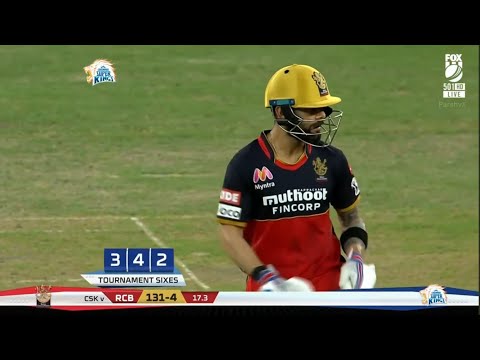
Virat Kohli 90*(52) Vs CSK || Highlights || Ball By Ball #viratkohli #rcbvscsk
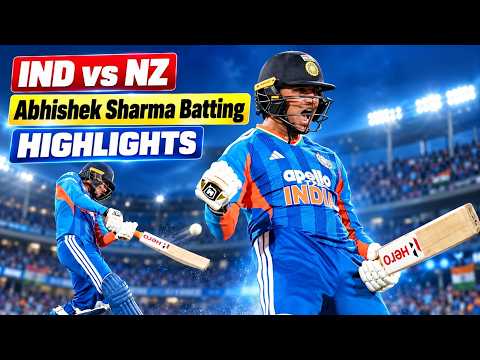
IND vs NZ HIGHLIGHTS | Abhishek Sharma Batting HIGHLIGHTS Today | 3rd T20 Match Highlight | Vaibhav
Chart basis: counts from Sport on Earth’s own carried data files at build time — verified videos carried for this sport (the verified pool: sport-videos.json + the desk league pools), news items carried (news.json), and league pages carried (desk.json). No external or estimated figures.
The filter sorts the Review Room embeds and the picture cards above by the keywords in their carried titles (review / analysis / recap and similar, or highlights). It runs entirely in your browser — nothing is sent anywhere.
Hall of Fame
ICC Cricket Hall of Fame
Administered by the International Cricket Council
125 inductees — every name on the hall's published list, grouped by class year.
All 125 inductees by class year
2009 — Wasim Akram · Sydney Barnes · Bishan Bedi · Alec Bedser · Richie Benaud · Allan Border · Ian Botham · Geoffrey Boycott · Don Bradman · Greg Chappell · Ian Chappell · Denis Compton · Colin Cowdrey · Kapil Dev · Sunil Gavaskar · Lance Gibbs · Graham Gooch · David Gower · W. G. Grace · Tom Graveney · Gordon Greenidge · Clarrie Grimmett · Richard Hadlee · Wally Hammond · Neil Harvey · George Headley · Jack Hobbs · Michael Holding · Len Hutton · Rohan Kanhai · Imran Khan · Alan Knott · Jim Laker · Harold Larwood · Dennis Lillee · Ray Lindwall · Clive Lloyd · Rod Marsh · Malcolm Marshall · Peter May · Javed Miandad · Keith Miller · Hanif Mohammad · Bill O’Reilly · Graeme Pollock · Wilfred Rhodes · Barry Richards · Viv Richards · Andy Roberts · Garfield Sobers · Brian Statham · Herbert Sutcliffe · Fred Trueman · Victor Trumper · Derek Underwood · Clyde Walcott · Steve Waugh · Everton Weekes · Frank Woolley · Frank Worrell
2010 — Ken Barrington · Joel Garner · Rachael Heyhoe Flint · Courtney Walsh
2011 — Curtly Ambrose · Belinda Clark · Alan Davidson · Fred Spofforth
2012 — Enid Bakewell · Brian Lara · Glenn McGrath
2013 — Adam Gilchrist · Shane Warne · Waqar Younis
2014 — Debbie Hockley · Bob Simpson
2015 — Martin Crowe · Wes Hall · Anil Kumble · Betty Wilson
2016 — George Lohmann · Arthur Morris · Muttiah Muralitharan · Karen Rolton
2018 — Rahul Dravid · Ricky Ponting · Claire Taylor
2019 — Allan Donald · Cathryn Fitzpatrick · Sachin Tendulkar
2020 — Zaheer Abbas · Jacques Kallis · Lisa Sthalekar
2021 — Jan Brittin · Learie Constantine · Ted Dexter · Aubrey Faulkner · Andy Flower · Desmond Haynes · Mahela Jayawardene · Vinoo Mankad · Stan McCabe · Monty Noble · Shaun Pollock · Kumar Sangakkara · Bob Willis
2022 — Shiv Chanderpaul · Charlotte Edwards · Abdul Qadir
2023 — Aravinda de Silva · Diana Edulji · Virender Sehwag
2024 — Alastair Cook · Neetu David · AB de Villiers
2025 — Hashim Amla · MS Dhoni · Matthew Hayden · Sana Mir · Graeme Smith · Sarah Taylor · Daniel Vettori
2026 — Anjum Chopra · Sourav Ganguly · Kevin Pietersen
Source basis: Wikipedia — "ICC Cricket Hall of Fame" (accessed Nov 1, 2026); parsed mechanically from the article’s published table. Material from Wikipedia is used under CC BY-SA 4.0..
Australian Cricket Hall of Fame
Melbourne, Australia
68 inductees — every name on the hall's published list, grouped by class year.
All 68 inductees by class year
1996 — Jack Blackham ^ · Fred Spofforth $ · Victor Trumper $ · Clarrie Grimmett $ · Bill Ponsford · Don Bradman ‡^$ · Bill O’Reilly ‡$ · Keith Miller ‡$ · Ray Lindwall ‡^$ · Dennis Lillee ‡$
2000 — Warwick Armstrong ^ · Neil Harvey ‡^$ · Allan Border ‡^$
2001 — Bill Woodfull ^ · Arthur Morris ‡^$
2002 — Greg Chappell ‡^$ · Stan McCabe
2003 — Ian Chappell ^$ · Lindsay Hassett ^
2004 — Hugh Trumble ^ · Alan Davidson $
2005 — Clem Hill ^ · Rod Marsh $
2006 — Bob Simpson ^$ · Monty Noble ^
2007 — Charlie Macartney · Richie Benaud ^$
2008 — George Giffen ^ · Ian Healy
2009 — Steve Waugh ^$
2010 — Bill Lawry ^ · Graham McKenzie
2011 — Mark Taylor ^ · Doug Walters
2012 — Shane Warne ‡$
2013 — Glenn McGrath $ · Charles Turner
2014 — Belinda Clark ^$ · Mark Waugh
2015 — Jack Ryder ^ · Adam Gilchrist ^$
2016 — Wally Grout · Jeff Thomson
2017 — David Boon · Matthew Hayden · Betty Wilson $
2018 — Norm O’Neill · Ricky Ponting ^$ · Karen Rolton ^$
2019 — Cathryn Fitzpatrick $ · Dean Jones · Billy Murdoch
2020 — Sharon Tredrea ^ · Craig McDermott · Johnny Mullagh
2021 — Merv Hughes · Lisa Sthalekar $
2022 — Justin Langer · Raelee Thompson ^
2023 — Margaret Jennings ^ · Ian Redpath
2024 — Michael Hussey · Lyn Larsen
2025 — Michael Clarke ^ · Michael Bevan · Christina Matthews · Brett Lee
2026 — Alex Blackwell ^
Source basis: Wikipedia — "Australian Cricket Hall of Fame" (accessed Nov 1, 2026); parsed mechanically from the article’s published table. Material from Wikipedia is used under CC BY-SA 4.0..
Full inductee profiles → 163 of the 193 inductees above carry a full verified profile — biography, induction record and verified video where one exists. The rest are list-only until a biography can be verified the same way.
📖 Cricket — Tactics & Strategy — every entry, plus the arcade strategy, at the foot of this page.
Cricket Arcade — Boundary Launch
An arcade take on Cricket: set the angle, set the power, and land the ball in the boundary rope. Five attempts; the closer to the middle, the more it scores. Arcade distances and a training arc — a game in the spirit of the sport, not a simulation of it.
More ways to play Cricket
This page’s own game is the arcade above. Everything else on the site that fits this sport is listed here — and anything borrowed from a similar sport is labelled as that sport’s game, never passed off as this one’s.
- Quiz track — 12 questions on Cricket, drawn from this site's own record for the sport: Quiz Tracks (choose “Cricket”).
- Top Sport on Earth — Cricket is one of the 455 sport cards in the SPORTS deck: play Top Sport on Earth.
- More in this family — Baseball Arcade — Boundary Launch: the game of Baseball, a similar sport in Cricket’s family.
- Everything else the site runs lives on the Games hub.
Sport on Earth Arcade — Cricket games
Click to play — the game loads from the provider only when you press Play (verified to load and play on 2 November 2026). Open a game to play it here, or browse the whole collection in the Sport on Earth Arcade.
Play Gully Cricket Game
Play Real Cricket 20
Play Real Cricket Game Indian Battle
Play World Cricket Championship Lte
Play World Cricket Championship WCC Lite
On screen
5 verified documentaries, films and series about this sport are listed in the site's screen guide: Sport on Screen — Cricket.
Major leagues, in depth
The Indian Premier League, in depth: Indian Premier League · All major leagues.
Tools for Cricket
The tools on this site that honestly run on Cricket — its own record first, then the site-wide general tools that apply. The full Cricket toolkit prints the ones that do not apply, with the data reason why.
Tools that run on Cricket’s own record
- You Are the Referee — Branching decision trees built from this sport’s own rule-changes dossier, each ruling cited to its rule.
- Signals in the Record — The officials’ signals extracted from the rule dossiers, this sport’s included where its dossier documents them.
- Field Blueprints — A scale diagram of this sport’s playing surface, dimensions as published in the governing laws its dossier cites.
- Venue Profiles — The venue directories the site carries name 616 venues for this sport, with the flagship grounds documented from the structured record.
General tools that also apply
Site-wide tools, not built for Cricket alone: Tournament Planner · My Notebook · The Labs · Design Studio · The Makers’ Bench · Match Day Desk · Play It Near You · Myth-Check Desk · Governing Bodies · Heat & Safety Calculator (WBGT) · Hydration Calculator · Training-Load Planner · Game Clock & Timer · Custom Rulebook Generator · Scout Notes Parser.
Player & referee associations
Players: World Cricketers’ Association (formerly Federation of International Cricketers’ Associations) — The global representative body for professional cricketers, established as FICA in 1998 and renamed the World Cricketers’ Association in 2024, acting as the umbrella federation of domestic players’ associations across 14 countries.
Players: Australian Cricketers’ Association — The incorporated association representing Australia’s professional first-class cricketers past and present, formally incorporated in February 1997 and negotiating the Memorandum of Understanding with Cricket Australia.
Players: Professional Cricketers’ Association — The representative body of past and present first-class cricketers in England and Wales, founded in 1967, championing players’ interests through personal development, welfare and contractual advice.
Players: New Zealand Cricket Players’ Association — The players’ association for New Zealand’s professional cricketers, established from scratch in 2001 by founding chief executive Heath Mills, who led it for more than 25 years before Simon Porter took over in 2026.
Players: West Indies Players’ Association — The official representative and bargaining body for cricketers in the West Indies, established in 1973 and incorporated in Trinidad and Tobago in 2003, negotiating the MOU and CBA with Cricket West Indies.
Players: South African Cricketers’ Association — South Africa’s cricketers’ association, established in 2002, promoting and protecting the interests and welfare of the country’s professional cricketers and negotiating their MOU.
Players: Indian Cricketers’ Association — India’s first players’ association for former cricketers, formally recognised by the BCCI on 5 July 2019 after being formed on the recommendation of the Supreme Court-appointed Lodha panel; its first elected president was Ashok Malhotra.
Officials: ECB Association of Cricket Officials (association) — The membership organisation representing umpires and scorers in England and Wales for and on behalf of the ECB, formed after the Association of Cricket Umpires and Scorers (set up in 1953) voted in December 2007 to merge with the ECB Officials Association.
Officials: Emirates ICC Elite Panel of Umpires and Match Referees (panel) — The International Cricket Council’s elite panels for international cricket, listing 12 umpires and five match referees for 2026–27 alongside its International and Emerging panels of match officials.
Verified associations for this sport, from the sources listed on the players' associations and referees' associations pages.
Cricket — Tactics & Strategy
Tactics & Strategy — this sport’s book
cricket’s book is tactics rather than set plays — field settings, bowling plans and batting game-states, the strategic vocabulary every captain deploys. The Hundred runs the same book in its 100-ball arithmetic.
12 entries, plus the arcade strategy below. All wording is original coaching-vocabulary prose; nothing is copied from any proprietary playbook.
The New-Ball Plan
Classic · the opening spell
The innings opens with swing and seam: two slips and a gully wait for the edge, the bowlers pitch full and let the new ball move — the plan is wickets, bought with runs conceded by the yard.
When it’s used: The first ten overs of any format are the fielding side’s best hunting; the plan spends them on attack.
The sequence
- Bowlers aim at the top of off stump and let the seam do the decorating.
- The slips stay for the whole spell — a removed slip is a plan abandoned mid-sentence.
- The batters’ counter is patience and the leave: the plan feeds on the drive.
The Field Setting — Attacking and Defensive (The Ring)
Fields are cricket’s formations: an attacking field crowds the bat with catchers; the ’ring’ of single-saving fielders at 30 yards strangles rotation; the deep field concedes one to prevent four.
When it’s used: Every ball is bowled to a field; a bowler without a field is just throwing.
The sequence
- The captain sets the field to the bowler’s plan before the spell, not to the last ball’s result.
- The ring’s job is the single: a batter who cannot rotate must hit out or stall.
- The deep field is a confession and a trap — the boundary rider is placed where the batter’s release shot lives.
The Yorker and the Death Plan
Modern · death bowling
At the innings’ death, the plan is yorkers at the toes and wide lines at the edge of the umpire’s call: the two balls a set batter cannot free his arms against, rehearsed until they are the bowler’s default, not his gamble.
When it’s used: Death bowling is a list, executed under noise: yorker, wide yorker, slower ball, bouncer — in the order the batter least wants.
The sequence
- The field is set for the plan first: long-on and deep cover for the yorker’s dug-out, third and fine for the bouncer.
- The slower ball is the plan’s hinge — bowled only when the field matches it.
- A missed yorker is a full toss; the plan accepts the risk because the alternative is worse.
The Bouncer Barrage (Short-Ball Plan)
Against a batter who hooks compulsively or cannot, the plan goes short: leg-side fielders wait at deep square and fine leg while the bowlers bang it in at the ribs and helmet, over after over.
When it’s used: The oldest intimidation in the book, fenced by modern limits on bouncers per over — the plan works within them.
The sequence
- The field is set before the first short ball: the trap must be visible for the plan to work on the batter’s mind.
- The short balls are aimed at the body, where the fend and the hook live, never wide enough to be cut.
- The full ball is the plan’s punchline — bowled once the batter is camping back.
The Spin Web
On a turning pitch, the spinners bowl in tandem with close catchers around the bat — bat-pad, silly point, short leg — and the plan is pressure: dot balls spun into doubt, until the batter’s lunge becomes the wicket.
When it’s used: Spin bowling’s field is a web: every close fielder is a strand the batter’s pad or edge completes.
The sequence
- The close fielders set on their knees, silent and still — the web works by presence.
- The spinners vary flight and pace by inches, never by obvious changes.
- The plan’s wickets come in clusters: one lunge loosens the next batter’s feet before he arrives.
The Powerplay Assault (Batting)
Modern · the restriction overs
While fielding restrictions keep the deep fielders few, the batting side attacks over the ring: the plan is premeditated — targets picked, shots chosen — because the restriction’s overs are the innings’ cheapest boundaries.
When it’s used: Modern white-ball batting is scheduled aggression: the powerplay is spent, not survived.
The sequence
- The openers’ roles are split: one attacks, one rotates — both cannot be the anchor.
- Shots go over the ring’s known gaps; the field is read before the ball, never during.
- The plan’s failure state is acceptable: wickets spent in the powerplay are the format’s tuition.
The Middle-Overs Rotation (Milking)
Between the powerplay and the death, the batting craft is the single: strike rotated ball after ball, the field’s ring stretched by placement into gaps — the quiet overs where chases are actually won.
When it’s used: Rotation is a skill of wrists and calling: the gap is found with soft hands, not muscle.
The sequence
- Batters aim at the ring’s seams — between two fielders, where each thinks the other goes.
- The call is the shot’s second half: ’yes’ on the ball’s contact, never on its arrival.
- The side that rotates best reaches the death with wickets and options; the plan is an investment.
The Declaration and the Follow-On (Test Craft)
In the long game, the captain’s plays are timed decisions: declare to give the bowlers time and the pitch’s worst hours; enforce the follow-on when the bowlers are fresh and the opposition’s spirit is the real wicket.
When it’s used: A tactics entry from the five-day game’s deep book: these are plays called from the balcony.
The sequence
- The declaration is priced in overs, not runs: the bowlers need the time more than the batters need the cushion.
- The follow-on is declined as often as taken now — fresh bowlers tomorrow beat tired ones tonight.
- The follow-on enforced is a statement: the match is being finished, not managed.
DRS — the Review Decision
The captain’s fifteen seconds: reviews are spent on the wickets that change matches — the set batter, the tail-ender’s partner — and kept from the hopeful lbw that the dressing room’s instinct already doubts.
When it’s used: A tactics entry, honestly: the review is a resource with a price, spent like the new ball.
The sequence
- The bowler and keeper confer; the captain decides — three voices, one clock.
- Reviews on tail-enders are declined by doctrine, however plumb they look.
- A burned review changes the umpire’s day, not just the ledger: marginal calls get harder to buy.
The Hundred — Five-Ball Sets and the Timeout
The Hundred’s 100-ball innings reprice everything: bowlers may bowl ten straight, fielding changes are clocked, and the strategic timeout is a genuine play — called to break a batter’s rhythm or reset a death plan.
When it’s used: Same book, new arithmetic: the entries above all apply, compressed into one hundred balls.
The sequence
- The ten-ball set is used on a batter it troubles, whatever the ’over’ would say.
- The timeout is spent on the opposition’s momentum, not on your own plans alone.
- With twenty balls per ’end’, the death plan starts at ball 70 — every entry in this book arrives sooner here.
The Nightwatchman (Test Craft)
Classic · the long game’s courtesy
When a wicket falls late in the day, a bowler is sent to bat out the close, shielding the recognised batter for the morning — a sacrifice play from the long game’s book of days.
When it’s used: The nightwatchman’s job is survival in the dark, so the morning’s first hour belongs to a batter, not a corpse.
The sequence
- He bats time, not balls: leaves, blocks, and no hook at all.
- His partner farms the strike to face the new ball’s worst of it.
- If he survives to morning, he bats on — the role’s pride is to become a nuisance by daylight.
The Mankad Question (The Non-Striker’s Run-Out)
The bowler’s legal answer to the backing-up batter: run him out before delivery. Dressing rooms debate its spirit; the Laws are plain, and the tactical point stands — the threat itself keeps non-strikers honest.
When it’s used: A tactics entry on the game’s most argued play: its existence is a fielding position.
The sequence
- Batters who back up early concede metres the bowler may legally collect.
- Captains differ on the warning: the Laws require none.
- The play’s real effect is measured in the starts non-strikers no longer steal.
Playing the Game
Playing the Game — Boundary Launch
The arcade cell · strategy
This page’s arcade cell: launch the ball at the boundary rope from the long boundary · 52 m (arcade scale). Angle, power, launch — five attempts, and the cell keeps your best.
When it’s used: On this page, in the Play section — and its strategy is the same craft as the book above it, miniaturised.
The sequence
- Set the angle first. The target is the boundary rope, the long boundary · 52 m (arcade scale) — the angle is chosen for where the ball must finish, not where it starts.
- Set the power second, on the sweeping meter: the scoring zone is a band, not a point, so aim for the middle of the band you can repeat, not the edge you can imagine.
- Launch, and read the result like a rangefinder: every attempt tells you the cell’s wind — there is none, so a miss is a measurement error, and it is yours to correct on the next attempt.
- You have 5 attempts. Time the launch like a swing: full commitment on the attempts that count, never a checked half-effort.
- The cell’s own honesty line applies: arcade distances; a game, not a simulation.
Part of the Sport on Earth Playbooks — a book for every sport and every game on the site.
Behind the Play
Behind the Play · Full treatment — from this sport’s own record
A fielding side tries to dismiss batters and limit runs; batters score by running between wickets or hitting boundaries. Formats are T20, one-day, and multi-day Tests.
Behind the Play takes the decisive actions of Cricket apart: how the scoring play is built, which patterns the players are really running, and which rules remade the play into its modern shape.
The shape of the play
Cricket’s laws are kept by the MCC, but its playing conditions — set by the ICC per format — change constantly. The modern game’s defining features (reviews, powerplays, Super Overs) are all younger than some current players.
The patterns behind the play
- Time is the resource: the batting side trades its limited outs or overs for runs; every decision prices one against the other.
- Pitch/shot selection: the batter’s edge comes from attacking deliverable balls in their scoring zones and leaving the rest.
- Field settings are arguments: the fielding captain moves fielders to dare the batter into the shot the trap is set for.
- Running between the wickets/bases is a skill with its own calls, judging and backing-up — cheap runs live there.
- Matchups drive the day: captains and managers spend the game engineering the deliverer-against-batter pairings the numbers favour.
- The new ball / fresh delivery: the condition of the ball changes what it does — early overs and innings are a different contest from late ones.
Rules that remade the play
The Decision Review System (DRS) (trialled 2008, formalised 2009). Teams received a limited number of unsuccessful reviews per innings to challenge decisions, checked via TV umpire, ball-tracking (Hawk-Eye), edge detection (Hot Spot, later UltraEdge) and slow-motion. India v Sri Lanka (2008) was the test series trial; the system formalised in 2009, with ’umpire’s call’ margins protecting on-field judgement on projection calls.
DRS is now inseparable from international cricket: reviews are tactical assets hoarded and gambled, ’umpire’s call’ is weekly discourse, and the technology stack (ball-tracking accuracy debates included) is part of the sport’s permanent furniture.
The Free Hit (2007). In limited-overs internationals (from the 2007 World Twenty20 and ODI cricket that October), a front-foot no-ball also concedes a FREE HIT: the next delivery cannot dismiss the batter except by run-out (and stumping variants), and fielding changes are restricted if the same batter remains on strike.
Free hits are now a set-piece of limited-overs cricket — crowds chant for the no-ball that triggers one — and the bowler’s front line is policed by TV umpires (since 2020 in ICC events) precisely because the penalty grew teeth.
Two New Balls in ODIs (2011). From October 2011, each end got its own new ball (two balls alternating overs, 25 overs each). The balls stay harder and whiter longer, keep bouncing truer, and swing conventionally for longer.
Two-ball cricket is a core reason modern ODI totals exploded (400-plus became routine) and reverse swing largely vanished from the format — arguably the most consequential equipment-condition change of the century in any bat-ball sport.
From this page’s Rule Changes & Named Rules dossier, where every entry names its source.
The moves in the book
- Innings / innings turn
- The batting side’s turn to score. Its structure differs by code — a fixed number of outs in baseball-family games, overs and wickets in cricket-family games.
- Batting order
- The fixed sequence in which batters come in; set before the game and managed tactically in most codes.
- Delivery
- The ball sent to the batter — bowled in cricket-family games, pitched in baseball-family games.
- Run
- The unit of scoring, earned by completing the code’s circuit (between wickets, or around the bases and home).
- Dismissal / out
- The ways a batter’s turn ends — caught, bowled, thrown out and their code-specific equivalents.
Source basis: this sport’s carried record on this page (verified record, rule-changes dossier, history datasets) and the play patterns of its family as written in the site’s guides. Nothing here is invented.