Sport on Earth › Sports
Sport on Earth · Sport
Boxing
How it’s played
Two fighters trade punches in rounds, judged on points or ended by knockout or stoppage.
History
Modern rules began with the Queensberry Rules in 1867; Olympic since 1904.
The pro scene
Professional: World titles from WBA, WBC, IBF, and WBO across weight classes.
College and school: Amateur boxing with headgear rules; university boxing exists in some countries.
Grassroots and other: Gyms, white-collar boxing, and youth clubs.
Season calendar
Major fights are scheduled year-round; no single season.
Dates above are recurring patterns, not confirmed fixtures.
League histories
- World Boxing — founded 2023. The IOC-recognised international federation for amateur boxing, created to keep boxing in the Olympics.
Leagues
World Boxing Desk
World Boxing
11 team views · 15 pieces · 12 videos
News Desk
News stories from around the world, gathered and sourced by the Sport on Earth desk.
Boxing on the program for Los Angeles 2028 Olympic Games
Boxing is carried on the program for Los Angeles 2028 Olympic Games, 14 – 30 July 2028, in Los Angeles, USA. Two fighters trade punches in rounds, judged on points or ended by knockout or stoppage. The desk carries the sport’s full record — guide, calendar and history — on its own page.
LA28 / IOC · Nov 2026
Columns & Stories
Written by Sport on Earth’s journalists — columns, features and interviews from the desk.
World Boxing Desk · Column
Twelve Rounds Is a Safety Rule Wearing a Sporting Costume
Boxing’s rules dossier on this site has three entries, and they tell one story in three acts. The Queensberry Rules, published in 1867 and dominant by the 1890s, gave the sport gloves, rounds and a count — civilisation, of a kind. The second entry is the reckoning: fifteen rounds became twelve, adopted by the WBC in 1983, the WBA in 1987 and the IBF in 1988, after the sport counted what the championship distance was costing the men who fought it. The third, the day-before weigh-in adopted progressively through the 1980s, solved one danger by creating another — fighters rehydrating far above the weight on the poster, a problem the sport still argues about at every big card.
November 1, 2026
World Boxing Desk · Column
Who Gets In, Who Waits: The International Boxing Hall of Fame Standard
The International Boxing Hall of Fame roll this site carries holds 357 names, inducted from 1990 to 2026. Every hall of fame is really two institutions: the one that inducts, and the one that makes the inducted argue about the standard. This column is about the second one.
November 2, 2026
World Boxing Desk · Column
Institutions Outlive Seasons: A Column on the World Boxing
A column about a league should begin where the league began: World Boxing formed 13 April 2023 in Lausanne as a new governing body for amateur, Olympic-style boxing; granted IOC provisional recognition on 26 February 2025.. The World Boxing — The IOC-recognized international federation for amateur boxing, created to keep boxing in the Olympics. — has since been many things, but it has never stopped being that founding decision, renewed every season.
November 2, 2026
World Boxing Desk · Column
The World Boxing Notebook: A League in Its Own Image
Every league desk keeps a notebook that is not really about results. This is ours for the World Boxing. The census record this site carries describes its sport in one line — Two fighters trade punches in rounds, judged on points or ended by knockout or stoppage. — and files it under Combat, in the combat family of sports. One line is a discipline: before the desk argues about a league, it has to say what the league is.
November 2, 2026
World Boxing Desk · Column
What the World Boxing Record Asks of Its Next Season
A new season of the World Boxing makes three quiet demands, and the record — not the hype — names them. It asks about the hall’s next class: the International Boxing Hall of Fame roll stands at 357 names, its most recent from 2026; the institution’s next chapter: a league founded in 2023 that has already survived every previous version of this argument.
November 2, 2026
World Boxing Desk · Column
The Whole File: A Column on Boxing
A column about an entire sport, which is an immodest assignment, so begin with the file: this desk covers Boxing through 1 league desks, 8 news items and the rolls, halls and histories this site carries for it. The file is the column’s subject — what a sport looks like when you keep all of it in one place.
November 2, 2026
World Boxing Desk · Feature
The First Class: International Boxing Hall of Fame and the 1990 Inductees
Every hall of fame is founded twice: once when the building opens, and once when the first class walks in. For the International Boxing Hall of Fame in Canastota, New York, United States, that moment came in 1990, when 46 names were inducted together: Muhammad Ali, Henry Armstrong, Carmen Basilio, Ezzard Charles, Billy Conn, Bob Foster. The roll this site carries now runs to 357 inductees — and it still begins with them.
November 2, 2026
World Boxing Desk · Feature
The Hall by the Decade: International Boxing Hall of Fame
A hall of fame roll is a sport’s memory with dates on it. The International Boxing Hall of Fame roll this site carries holds 357 inductees, from 1990 to 2026, and the hall itself is in Canastota, New York, United States. Its growth was never smooth: the biggest decade of inductions was the 1990s, with 157 names added.
November 6, 2026
World Boxing Desk · Feature
From the Rule Book: Fifteen Rounds Become Twelve (Boxing)
The rule-change dossiers this site carries for Boxing run to 3 entries. The one filed as “Fifteen Rounds Become Twelve” is dated 1982–1988 and credited to WBC 1983; WBA 1987; IBF 1988 — and it is the rare rule change whose before and after describe two different sports.
November 14, 2026
World Boxing Desk · Feature
From the Rule Book: The Queensberry Rules (Boxing)
The rule-change dossiers this site carries for Boxing run to 3 entries. The one filed as “The Queensberry Rules” is dated published 1867; dominant by the 1890s and credited to British boxing / world — and it is the rare rule change whose before and after describe two different sports.
November 22, 2026
World Boxing Desk · Interview — the Sport on Earth desk, in its own words
Five Questions With the World Boxing Desk
The Sport on Earth World Boxing desk takes questions on the heavyweight picture and the pound-for-pound list. The desk answers in its own words — no player is quoted, and nothing here is presented as anyone else’s statement.
World Boxing Desk · Interview — the Sport on Earth desk, in its own words
Five Questions With the World Boxing Desk: Inside the International Boxing Hall of Fame
The Sport on Earth World Boxing Desk takes questions on the International Boxing Hall of Fame. The desk answers in its own words — no player, coach or official is quoted, and nothing here is presented as anyone else’s statement. Every figure below is counted from the hall’s own roll as this site carries it.
World Boxing Desk · Interview — the Sport on Earth desk, in its own words
Five Questions With the World Boxing Desk: The World Boxing File
The Sport on Earth World Boxing Desk takes questions on the World Boxing file. The desk answers in its own words — no player, coach or official is quoted, and nothing here is presented as anyone else’s statement. The answers draw on the league history this site carries.
World Boxing Desk · Interview — the Sport on Earth desk, in its own words
Five Questions With the World Boxing Desk: The World Boxing Briefing
The Sport on Earth World Boxing Desk takes questions on the World Boxing. The desk answers in its own words — no player, coach or official is quoted, and nothing here is presented as anyone else’s statement. A standing briefing, refreshed from the files this site carries.
World Boxing Desk · Interview — the Sport on Earth desk, in its own words
Five Questions With the World Boxing Desk: World Boxing by the Numbers
The Sport on Earth World Boxing Desk takes questions on the World Boxing in numbers. The desk answers in its own words — no player, coach or official is quoted, and nothing here is presented as anyone else’s statement. Every answer below is a count taken from the site’s own files.
Writing Desk
Everything the desk has published for Boxing, organised by section.
News
From the News Desk · all news, every sport →
Stories
- The First Class: International Boxing Hall of Fame and the 1990 Inductees World Boxing Desk · November 2, 2026
- The Hall by the Decade: International Boxing Hall of Fame World Boxing Desk · November 6, 2026
- From the Rule Book: Fifteen Rounds Become Twelve (Boxing) World Boxing Desk · November 14, 2026
- From the Rule Book: The Queensberry Rules (Boxing) World Boxing Desk · November 22, 2026
All stories across every sport →
Columns
- Twelve Rounds Is a Safety Rule Wearing a Sporting Costume World Boxing Desk · November 1, 2026
- Who Gets In, Who Waits: The International Boxing Hall of Fame Standard World Boxing Desk · November 2, 2026
- Institutions Outlive Seasons: A Column on the World Boxing World Boxing Desk · November 2, 2026
- The World Boxing Notebook: A League in Its Own Image World Boxing Desk · November 2, 2026
- What the World Boxing Record Asks of Its Next Season World Boxing Desk · November 2, 2026
- The Whole File: A Column on Boxing World Boxing Desk · November 2, 2026
All columns across every sport →
Interviews
- Five Questions With the World Boxing Desk World Boxing Desk
- Five Questions With the World Boxing Desk: Inside the International Boxing Hall of Fame World Boxing Desk
- Five Questions With the World Boxing Desk: The World Boxing File World Boxing Desk
- Five Questions With the World Boxing Desk: The World Boxing Briefing World Boxing Desk
- Five Questions With the World Boxing Desk: World Boxing by the Numbers World Boxing Desk
Shows
Sport on Earth’s daily and weekly video shows for Boxing — every episode, newest first.
Boxing A Day Daily show
Episode 11 — CSI blocks Mayweather-Garcia — and Ortiz lands Mendoza for December 5
Ep. 11 — Thursday, November 26, 2026 · 6:14
Episode 10 — Garcia calls Haney’s testing stance ’suspicious’ — and Haney settles for commission testing
Ep. 10 — Wednesday, November 25, 2026 · 5:25
Episode 9 — Bakole gets the Wilder call for December 11 — and Haney-Paro turns into a testing row
Ep. 9 — Tuesday, November 24, 2026 · 4:33
Episode 8 — Ortiz signs for Charlo — but Charlo has not, and the December 5 slot is still open
Ep. 8 — Monday, November 23, 2026 · 4:29
Episode 7 — Fulghum stuns Pacheco in Carson — and Rivero makes Spanish history in Illescas
Ep. 7 — Sunday, November 22, 2026 · 4:33
Episode 6 — Fundora floors Zapotoczna twice and stays undisputed — and Jones stops Pettus to reach McKenna’s door
Ep. 6 — Saturday, November 21, 2026 · 4:30
Episode 5 — Price and Kotaskova make weight in Cardiff — and the Ali Act clears the Senate
Ep. 5 — Friday, November 20, 2026 · 2:42
Episode 4 — Teremoana needs two rounds in Melbourne — and Indio’s fighters face off
Ep. 4 — Thursday, November 19, 2026 · 2:32
Episode 3 — Opetaia is out of the Wilder fight — and Davis names Kambosos for a spring return
Ep. 3 — Wednesday, November 18, 2026 · 2:25
Episode 2 — Fulghum’s upset redraws the super-middleweight picture — and McKenna gets his Riyadh date
Ep. 2 — Tuesday, November 17, 2026 · 2:43
Episode 1 — Fulghum hands Pacheco his first loss — and Olascuaga keeps his crown
Ep. 1 — Monday, November 16, 2026 · 1:55
Videos
Every embed below was verified playable before listing — the network’s standing rule.
Naoya Inoue
HIGHLIGHTS! Naoya Inoue vs David Picasso | Undisputed Title Fight 👑
#1 on the board · Super Bantamweight · Japan
Oleksandr Usyk
Oleksandr Usyk (20-0) All Knockouts & Highlights
#2 on the board · Heavyweight · Ukraine
Shakur Stevenson
Shakur Stevenson’s Best Combinations and Knockouts | FIGHT HIGHLIGHTS
#3 on the board · Junior Welterweight · United States
Jesse Rodriguez
BAM KO!!! Jesse Rodriguez vs. Fernando Martinez | Fight Highlights | RING IV: Night of Champions
#4 on the board · Bantamweight · United States
Dmitry Bivol
Dmitry Bivol HIGHLIGHTS & KNOCKOUTS | BOXING K.O FIGHT HD
#5 on the board · Light Heavyweight · Russia
View all videos (16)Show fewer videos
Devin Haney
Devin Haney (29-0) All Knockouts & Highlights
#6 on the board · Welterweight · United States
David Benavidez
David Benavidez (26-0) All Knockouts & Highlights
#7 on the board · Cruiserweight · United States
Canelo Alvarez
Boxing Pride of Mexico! Canelo Alvarez Highlights & Knockouts | Power, Speed, Skills
#8 on the board · Super Middleweight · Mexico
Diego Pacheco vs. Darius Fulghum | Official Fight Highlights
YouTube · DAZN Boxing
Artur Beterbiev (RUS) - Jeff Page Jr. (USA) FULL HIGHLIGHTS FIGHT
YouTube · Boxing studio
HIGHLIGHTS | VIddal Riley vs. Seydi Coupe
YouTube · DAZN Boxing
Agit Kabayel (GER) vs Agron Smakici (CRO) | BOXING FIGHT HIGHLIGHTS HD
YouTube · Boxing Office
HUGE UPSET! Diego Pacheco vs. Darius Fulghum full card highlights
YouTube · DAZN Boxing
Vergil Ortiz Jr (USA) vs Erickson Lubin (USA) BOXING FIGHT FULL HIGHLIGHT HD
YouTube · Greatest Boxing
Diego Pacheco vs Darius Fulghum - FULL FIGHT HIGHLIGHTS 😱🔥
YouTube · House of Highlights
David Benavidez Vs. Demetrius Andrade | 4K - FULL HIGHLIGHTS #boxing #sports
YouTube · Anything
Everything for Boxing
Pages
On this page
- How it’s played
- History
- The pro scene
- Season calendar
- League histories
- Leagues
- News Desk
- Columns & Stories
- Writing Desk
- Videos
- Reader comments
- Games, Lab & Calendar
- Story extras
- Season Calendar
- The Physics Lab
- The Record Lab
- Sponsorship History
- How to Play Boxing
- Mechanics & Tips — Boxing
- Equipment Through Time — Boxing
- Sounds of Boxing
- Analytics — Boxing
- Rule Changes & Named Rules
- Results & Fixtures
- History & Records
- Review Room — in-game and post-game review & analysis
- Boxing in pictures & numbers
- Hall of Fame
- Stories from the Record
- Training by attribute
- On screen
- Tools for Boxing
- Boxing — Tactics & Strategy
- Behind the Play
Games, Lab & Calendar
Games for this sport
No game on this site is made specifically for Boxing yet. The games below are the site's all-sport games, which honestly cover every sport — nothing from another sport has been dressed up as this sport's game.
Daily Trivia
A new set of questions every day, across every sport this site covers.
Top Sport on Earth
Real-athlete Top Sport on Earth decks built from the site’s verified board data.
The Lab
Boxing's lab is the Physics Lab section on this page — the applied physics of its sport family, with a computed interactive where one honestly fits.
Physics Arena — the general biomechanics & physics teaching sandbox, shared by every sport.
The homepage sport explorer also carries a general Lab tab of small interactive experiments.
Season calendar
Calendar data not yet carried for Boxing — this site does not yet hold schedule data for it, so no dates are shown rather than invented.
Story extras
Fan poll
Which desk story should we follow up?
Votes are counted on the Sport on Earth server and the totals shown are every reader’s votes; your own choice is remembered in this browser.
Key numbers — The First Class: International Boxing Hall of Fame and the 1990 Inductees
Bars use only the metrics in the desk's summary data whose values are purely numeric; labels and values are shown verbatim.
How this story developed
Dated news entries for Boxing, newest first, dates exactly as carried in the site’s news data.
- Nov 2026 — Boxing on the program for Los Angeles 2028 Olympic Games (LA28 / IOC)
Season Calendar
Flagship dates — verified
The flagship competitions on the calendar, with the dates for the current/upcoming cycle. Every date below was verified against the named source on 1 November 2026; dates change, and the source is the authority.
| Event | Dates | Where | Source |
|---|---|---|---|
| Los Angeles 2028 Olympic Games | 14 – 30 July 2028 | Los Angeles, USA | LA28 / IOC — Games dates |
The season in words
Major fights are scheduled year-round; no single season.
The Physics Lab
Momentum, impulse and rotation
A strike’s effect is impulse: force applied over contact time, changing momentum (mass × velocity). The calculator below computes momentum and kinetic energy for a moving mass at a chosen speed — the two numbers behind every conversation about power. Real strikes add the effective mass of the body behind the limb, which is why technique (putting body mass into the blow) out-punches arm speed alone.
Throws and takedowns are rotation: a small force applied far from the opponent’s centre of mass produces a large turning effect (torque), which is why grips at the sleeve, collar or leg unbalance opponents who are stronger in a straight line. Grappling defence is the reverse — widen the base, lower the centre of mass, deny the lever.
From this sport's own record: Two fighters trade punches in rounds, judged on points or ended by knockout or stoppage. The lab above treats the physics of the sport's family; no measurement specific to this sport is printed, because the site's verified record for it carries none — parameters are never invented to fill a lab.
Try it: momentum & energy calculator
Model: momentum p = m·v; kinetic energy KE = ½·m·v². Assumptions: a single rigid mass at one speed — a real strike or throw involves an effective mass larger than the limb alone (the body behind it) and a contact time that decides the peak force. The numbers show the scaling: energy grows with the square of speed, only linearly with mass.
The general teaching sandbox for every sport is the Physics Arena on the Games page — the same printed models, with a defender added.
The Record Lab
The hands-on lab for Boxing, built entirely from the record this site carries for it — its documented rolls, its halls, its venues, its calendar and its census family. Every figure below is computed from that carried record at build time; nothing is estimated and nothing is pulled live. The companion Physics Lab on this page works the family's physics; this lab works the record.
Hall of Fame explorer
Boxing carries 1 hall in the site’s record — International Boxing Hall of Fame — with 357 inductees carried, 354 of them with a full verified profile on this site.
Inductions by decade (computed from the carried induction years):
1990s157
2000s91
2010s56
2020s53
Basis: the Hall of Fame record carried on this site — the same rolls and verified profiles the Hall of Fame books print. Inductees a hall lists but the site has not verified stay list-only, exactly as the books state.
Venue explorer
The carried global venue dataset holds 18 venues for Boxing across 13 countries. The largest capacity the dataset records for this sport is 37,000 — Sportivo Barracas Stadium, .
Basis: the global venue dataset carried on this site (6,438 venues with coordinates; the venue explorer on the sports index and the stadium sun table work the same data). Countries beyond the 25 largest are counted in the totals above but not listed here.
The carried calendar
- Los Angeles 2028 Olympic Games — 14 – 30 July 2028, Los Angeles, USA
Basis: the dated events this entry’s own record carries, as announced by the bodies named in the record. A sport whose record carries no fixed dated calendar says so on its calendar page rather than inventing one.
The family lab — Combat sports
Computed from the site census: the Combat sports family holds 49 entries on this site. Across the family, the carried record includes documented rolls for 0 of them, Hall of Fame data for 4, venue sets for 10, and dated calendars for 5.
Every other entry in the family: Alysh · Ashirma · Brazilian Jiu-Jitsu · Canne de Combat · Capoeira · Chess Boxing · Chidaoba · Donga · Evala · Fencing · Glima · HEMA · Historical Medieval Battle · Inbuan · Ju-Jitsu · Judo · Karate · Karate Combat · Kendo · Khapkagay · Khuresh · Kickboxing · Kokoowa · Kurash · Kureash · Lethwei · Lotta Sardesca · Lucha Canaria · Lucha de Tolete · Lucha del Garrote · Mbor · Mixed Martial Arts · Moraingy · Muay Thai · Pencak Silat · Power Slap · Sambo · Savate · Schwingen · Sport Kobudo · Ssireum · Sumo · Taekkyeon · Taekwondo · Tahtib · Tarung Derajat · Wrestling · Wushu
Basis: the Sport on Earth census itself — the same 460-entry register the census page prints.
Sponsorship History
The sponsorship record of Boxing — title sponsors, jersey and kit deals, venue naming rights, firsts and record deals — from published sources only. Current deals are tracked on the Money Desk sponsorship page.
No single league or title sponsor: event-by-event model Historic model
Boxing has no single governing league selling a championship title sponsorship; sponsorship is sold fight by fight by promoters and broadcasters, and four sanctioning bodies each sell their own world title. Blue-chip corporations have historically avoided the sport, leaving beer brands as its main sponsors for decades.
De La Hoya-Trinidad: most sponsored fight of its era 1999
The Oscar De La Hoya-Felix Trinidad fight on 18 September 1999 was expected to generate well over $10 million in sponsorship and was described as having the greatest sponsor activity in pay-per-view and boxing history to that point. Budweiser signed as ring-mat sponsor, Puma sponsored the tale of the tape, and GTE and Western Union shared the fight clock.
Beer wars: Corona versus Tecate 2007-2020
In the United States Budweiser and Miller Lite were long-standing main sponsors, while in Mexico Corona built its brand on canvas, corners and ring-card sponsorship before Tecate took over from around 2006-2007. Tecate positioned itself as the official beer of boxing from its backing of De La Hoya-Mayweather in 2007, outbidding Corona in 2015 with a reported $5.6 million for rights to Mayweather-Pacquiao, before exiting boxing in 2020.
Sanctioning-fee model: about 3% per belt Current published rules
Instead of a league title sponsor, boxing's sanctioning bodies charge fighters and promoters for title fights. The WBO's published regulations charge champion and challenger 3% of their purses, with a $1,000 minimum and $250,000 maximum per boxer and 2% for a unified champion; reporting on the other bodies also puts the usual rate at about 3% per body, so a four-belt unification can total 12% of a purse.
Riyadh Season as modern presenting backer 2019-present; 2025 partnership
Riyadh Season, launched in 2019, has become a prominent presenting backer of major fights, staging showdowns in Riyadh and globally with names including Anthony Joshua and Dmitry Bivol. Matchroom Sport and Riyadh Season announced a multi-channel partnership ensuring the Riyadh Season brand features prominently across Matchroom Boxing events.
Sponsorship sources: Sports Business Journal - Fight gets big sponsors into the ring (1999) · Sports Business Journal - Tecate Exits Boxing Industry · FightBanter - Boxing Sanctioning Bodies Explained · General Entertainment Authority - Matchroom partnership with Riyadh Season
How to Play Boxing
How this game is played, gathered from the record Sport on Earth already carries for Boxing, with the positions taken from the sourced chart cited in that section.
The game in brief
Two fighters trade punches in rounds, judged on points or ended by knockout or stoppage.
Core rules
Boxing’s rule history is a slow civilising of a blood sport: gloves for fists, rounds for endurance contests, and — after a death broadcast worldwide in 1982 — a hard ceiling on how long a championship fight may run.
The current rules, as the site's rule-change dossier records them:
- The Queensberry Rules (British boxing / world, published 1867; dominant by the 1890s): The Marquess of Queensberry Rules (drafted by John Graham Chambers, 1865, published under the Marquess’s patronage in 1867): gloves, three-minute rounds with one-minute rests, a ten-second count for a downed man, no wrestling. John L. Sullivan — the last bare-knuckle champion — lost the gloved title to James Corbett in 1892, and the new code owned the sport within a generation.
- Fifteen Rounds Become Twelve (WBC 1983; WBA 1987; IBF 1988, 1982–1988): After lightweight Duk-koo Kim died from injuries in a televised 14th-round stoppage loss to Ray Mancini in November 1982, the WBC cut title fights to twelve rounds (1983); the WBA followed in 1987 and the IBF in 1988. Twelve rounds has been the championship distance ever since.
- The Day-Before Weigh-In (sanctioning bodies / commissions, adopted progressively through the 1980s): Commissions and bodies moved weigh-ins to the day BEFORE the fight (24+ hours ahead), intending to give dehydrated fighters time to recover safely before being hit. Fighters responded by cutting far more weight and rehydrating 10–20 pounds overnight — arriving in a heavier class than the one they weighed in for.
The full dossier — every dated change and named rule, with its source basis — is in this page’s Rule Changes & Named Rules section.
Positions & basic plays
Boxing has no fixed positions — its format designates no positional roles.
Format as carried in hidden_files/batchB-nov1/batchb_data.json: "Two fighters trade punches in rounds, judged on points or ended by knockout or stoppage." The format carries no designated positional roles. (Source: Sport on Earth carried sport record.)
Its Tactics & Strategy book — its opening entries, the basic plays, are:
- The Jab (the System’s First Word) — The jab is range-finder, shield, scoring punch and metronome in one: everything in a boxing game plan is built behind it, and the fighter who cannot jab must manufacture another way to begin every sentence. When it’s used: All four styles start here; the jab’s absence is the first scouting note on any opponent.
- The Styles Triangle — Boxing’s oldest theory: the pressure fighter swarms the pure boxer, the pure boxer outplays the slugger, the slugger’s power punishes the pressure fighter’s entry — styles make fights because each craft is another’s antidote. When it’s used: Matchmaking and game plans alike are read off the triangle.
- Cutting the Ring — Against a mover, the pursuer does not follow: he steps to where the mover’s escape ends, shrinking the ring in straight lines while the mover pays in circles — the geometry of pressure. When it’s used: Chasing is losing slowly; cutting is the same distance walked in chords instead of arcs.
- Body Work (the Investment) — Punches to the body are deposits: they cost the opponent his legs and his late rounds, paid out in the championship rounds when a head-hunted fighter is still fresh and a body-worked one is old. When it’s used: The corner’s oldest instruction: kill the body and the head will die.
The full book carries 12 entries — in this page’s Playbook / Tactics & Strategy section, and at the Playbooks hub.
Mechanics & Tips — Boxing
How the core actions of Boxing are performed, and how to improve them — the layer between this page's How to Play section (the rules) and its training and physics sections.
Stance and footwork
Everything in boxing is built on the stance: for an orthodox boxer the left foot leads, feet about shoulder-width apart, rear heel slightly raised, knees soft, weight balanced on the balls of the feet, chin tucked behind the lead shoulder with both hands guarding the face. Movement uses step-drag: moving forward the lead foot steps first and the rear foot follows; moving back, the reverse; sideways, the foot nearest the direction moves first. The feet never cross and the stance width never collapses — the boxer is always in a position to punch or defend, because punches, defence and movement all borrow the same balance.
Key checkpoints
- Feet shoulder-width, never closer, never crossed after any step
- Rear heel raised, weight on the balls of the feet
- Chin down, hands home at the cheeks between every action
- Steps small — inches, not lunges
Common faults
- Crossing the feet when moving sideways — a moment where no punch can be defended
- Walking flat-footed with straight legs — slow, and power has no base
- Letting the stance narrow after punching — the classic prelude to being caught off-balance
Practice drills
- Step-drag rounds: forward, back, left, right on command for 3-minute rounds, resetting the stance width after every pair of steps
- Circle drill: move around an imagined opponent, stepping in behind a jab and straight back out, feet never crossing
The jab and the cross
The jab is the lead hand fired straight from the guard: the hand travels the shortest line to the target, the fist rotates over as it lands (knuckles up), and it snaps straight back to the guard — its jobs are measuring range, scoring, interrupting the opponent and setting up everything else. The cross is the rear-hand power punch and its power comes from the floor: the rear foot pivots, the hip and shoulder rotate through, and the straight punch is driven through the target by the whole chain while the lead hand stays home protecting the chin. Coaches number the punches — jab 1, cross 2, lead hook 3, rear hook 4, lead uppercut 5, rear uppercut 6 — so combinations can be called.
Key checkpoints
- Jab travels and returns on the same straight line — no dropping or looping home
- Rear hand stays at the chin while the jab is out
- Cross: rear heel pivots off the floor, hip visibly turns, head stays behind the lead knee
- Every punch returns to the guard before the next begins
Common faults
- Dropping the rear hand while jabbing — the counter right hand’s open door
- Reaching with the cross — head drifts past the lead knee and balance goes with it
- Telegraphing: loading up, dipping or pulling the hand back before punching
- Admiring the punch — hand stays out, chin stays up
Practice drills
- Jab-only shadowboxing rounds at controlled speed, checking the return path in a mirror
- 1–2 on the pads: jab-cross, hands home, step out — technique before speed, always resetting between pairs
Defence — guard, slip, roll and block
Defence is small movements, not big escapes. The base is the high guard: gloves at the cheeks, elbows tucked to the ribs, chin down — most straight punches can be taken on the gloves and forearms. The slip moves the head a few inches off the centre line, letting a straight punch pass the shoulder; the roll bends at the waist and rotates under a hook, coming up on the other side ready to counter; the parry brushes an incoming straight punch off line with a small movement of the lead or rear hand. Every defensive move ends back in stance, in range to answer — defence that runs away concedes the ring.
Key checkpoints
- Slips move inches, not feet — the counter must be available immediately
- Elbows stay glued to the ribs in the guard; the body is not a target
- Head returns to behind the lead shoulder after every defensive move
- Eyes stay on the opponent through every defensive action
Common faults
- Leaning straight back from the waist — chin up, weight trapped, nowhere to go
- Dropping both hands to slip — the slip becomes the reason you are hit
- Closing the eyes or turning away under fire — the next punch is the one that matters
Practice drills
- Slip rope drill: move along a taut rope at head height, slipping side to side under it without touching it
- Partner glove-touch defence: partner throws slow jabs and crosses, defender only slips, rolls and parries — no punching back until the defence is calm
Tips
- Hit and don’t get hit is the whole sport in one line — judge every technique by whether it serves both halves.
- Power is sequencing, not effort: if the cross feels weak, check the rear-foot pivot before trying to punch harder.
- Breathe out in a short burst with each punch — held breath is why beginners gas in the second round.
- Shadowbox slowly enough to be perfect; speed layered over a fault just makes the fault faster.
Safety: Boxing is a head-impact sport. Sparring belongs under qualified supervision with proper protective equipment, and this material is technique education, not a substitute for coaching or medical advice.
Mechanics sources consulted: Ballard Boxing & Fitness — Boxing Fundamentals Guide (stance, step-drag footwork, jab/cross mechanics); Leaders Fitness Academy — Boxing Fundamentals course manual (CPD).
Equipment Through Time — Boxing
How this sport's equipment actually changed, entry by entry, from the sources named under each one. Dates a source gives only approximately are printed as c. or as an era, with the reason stated — never sharpened into a precision the record does not support.
688 BCE — Hand protection — himantes
Boxing entered the Olympic program in 688 BCE, and the earliest records of hand protection appear there: Greek fighters wrapped their hands in leather straps (himantes), worn more to add weight/damage than to protect.
Why it changed: Ancient practice; protection was not the purpose.
Source: Encyclopedia.com (International Encyclopedia of the Social Sciences / manufacturing), ’Boxing Gloves’ (search result) — https://www.encyclopedia.com/manufacturing/news-wires-white-papers-and-books/boxing-gloves
1743 — Gloves — Broughton’s ’mufflers’
Champion Jack Broughton devised padded mufflers (leather stuffed with horsehair/lambswool in the secondary accounts) so gentlemen could spar at his gymnasium without serious damage; contests themselves remained bare-knuckle, and Broughton’s 1743 rules do not mention gloves.
Why it changed: Safety in training only — not yet a competition rule.
Source: Encyclopedia.com (International Encyclopedia of the Social Sciences / manufacturing), ’Boxing Gloves’ (search result) — https://www.encyclopedia.com/manufacturing/news-wires-white-papers-and-books/boxing-gloves
1867 — Gloves — Queensberry requirement
The Marquess of Queensberry Rules (published 1867 by John Graham Chambers) required ’fair-sized boxing gloves of the best quality, and new’; professionals still fought bare-knuckle into the 1890s before gloved boxing became universal.
Why it changed: Rule-driven: the glove became a condition of sanctioned competition.
Source: Encyclopedia.com (International Encyclopedia of the Social Sciences / manufacturing), ’Boxing Gloves’ (search result) — https://www.encyclopedia.com/manufacturing/news-wires-white-papers-and-books/boxing-gloves
c. mid-20th century — Glove padding — foam
Horsehair padding, which clumped and shifted, was progressively replaced by foam from the mid-20th century; by the 1980s most gloves had switched, giving consistent padding and precise glove weights by division.
Why it changed: Materials: foam holds shape and spreads impact evenly.
Dating note: Approximate: sources give a range or differ on the exact year; see source.
Source: Infinitude Fight, ’Boxing Glove Padding: Types, Materials & How to Choose’ (search result) — https://www.infinitudefight.com/padding-in-boxing-gloves/
Companion tool: the Equipment Size Visualiser draws today's balls for eight sports at true relative scale — this section is how they got that way.
Sounds of Boxing
The sounds this sport makes, synthesised live in your browser from the physics of the actions themselves — the bat's crack, the ball's thump, the official's whistle, the air of the place. Nothing plays until you press a button; the ambient loop runs only while its button is pressed in.
Provenance: original synthesis, created for Sport on Earth — no recordings, no samples, no crowd, no music. Sports whose defining sound cannot be honestly synthesised carry no sound panel at all; silence there is deliberate.
Analytics — Boxing
Sport on Earth's own analytics: every figure in this panel is computed at build time from the record this site itself carries, with the source named. No outside data is used, and no betting figures of any kind.
Hall of Fame record carried: 357 inductees across 1 hall(s); inductions span 1990–2026; the largest induction decade is the 1990s (157 inductees).
Source: the site's carried hall-of-fame record (historical-players.json).
Venues carried: 18 in 13 countries; the largest carried capacity is 37,000 (Sportivo Barracas Stadium).
Source: the site's global venue record (venues-global.json); a capacity is printed only where the record carries a verified one.
Census arithmetic: Boxing sits in the combat sports family — 49 census sports, of which 0 carry a qualifying champions roll in the site's record.
Rule Changes & Named Rules
Boxing’s rule history is a slow civilising of a blood sport: gloves for fists, rounds for endurance contests, and — after a death broadcast worldwide in 1982 — a hard ceiling on how long a championship fight may run.
The Queensberry Rules
Before: Bare-knuckle prizefighting under the London Prize Rules: rounds ended when a man went down (a fight could run 70+ rounds), wrestling throws were legal, spiked boots were an era’s controversy, and fights were illegal almost everywhere they happened.
The change: The Marquess of Queensberry Rules (drafted by John Graham Chambers, 1865, published under the Marquess’s patronage in 1867): gloves, three-minute rounds with one-minute rests, a ten-second count for a downed man, no wrestling. John L. Sullivan — the last bare-knuckle champion — lost the gloved title to James Corbett in 1892, and the new code owned the sport within a generation.
Why it happened: The rules were respectability engineering: Victorian sporting gentlemen wanted a sport that could be licensed, watched and bet on without police raids. Gloves, paradoxically, made punches harder (protected hands can be thrown at heads all night) — the safety argument and the violence both start here.
In practice today: Every modern boxing rule — the count, the rounds, the gloves — is Queensberry’s skeleton. Even the sport’s scoring (the 10-point must system, standardised in the 20th century) hangs on the frame the 1867 code built.
Fifteen Rounds Become Twelve
Before: Championship fights ran fifteen rounds — a distance set in the 1920s–40s — and the championship rounds (13–15) were where exhausted, dehydrated fighters absorbed the worst damage.
The change: After lightweight Duk-koo Kim died from injuries in a televised 14th-round stoppage loss to Ray Mancini in November 1982, the WBC cut title fights to twelve rounds (1983); the WBA followed in 1987 and the IBF in 1988. Twelve rounds has been the championship distance ever since.
Why it happened: Kim’s death — watched live on American network television, followed by his mother’s and the referee’s suicides — made the 15th round indefensible in public. Medical evidence on cumulative late-fight damage gave the bodies their argument; the staggered adoption (five years across bodies) is a fossil of boxing’s fragmented governance.
In practice today: The 12-round limit is permanent and shapes everything: pacing, the meaning of ’championship rounds’ (now 11–12), and record-book comparisons, since the 15-round greats fought a distance no modern champion will ever be asked to survive.
The Day-Before Weigh-In
Before: Fighters weighed in on the day of the fight, hours before the bell. Weight-cutting (sauna dehydration to make a class) therefore had to be modest enough to fight on — a crude but real safety governor built into the calendar.
The change: Commissions and bodies moved weigh-ins to the day BEFORE the fight (24+ hours ahead), intending to give dehydrated fighters time to recover safely before being hit. Fighters responded by cutting far more weight and rehydrating 10–20 pounds overnight — arriving in a heavier class than the one they weighed in for.
Why it happened: The reform was medically sincere (dehydrated fighters were dying — the era’s ring deaths were frequently weight-cut adjacent) but it created ’weight bullying’: size, not skill, became a negotiable advantage, and some modern bodies counter with second-day weigh-ins and rehydration limits (the IBF’s 10-pound next-morning rule).
In practice today: The weigh-in’s timing is now one of boxing’s live regulatory battlegrounds; the day-before weigh-in remains standard, with same-day proposals resurfacing after every weight-cut tragedy — a rule whose consequences inverted its intention.
Source basis: Marquess of Queensberry Rules (1867) and their adoption record; sanctioning-body histories of the 12-round era (WBC 1983, WBA 1987, IBF 1988); weigh-in practice histories.
Results & Fixtures
Sport on Earth carries no results feed for Boxing: no scores or fixtures are published here, rather than inventing them. The sport's documented record is in its history page and the History & Records section of this page.
History & Records
The historical record for Boxing — past standings, champions, title history and all-time leaders, as deep as verifiable public records go.
League history & records
- boxing — league history (founding record) on its page
Review Room — in-game and post-game review & analysis
The review and analysis videos from Boxing’s verified video pool — every embed below was identity-checked and probed playable before listing, the site’s standing rule. Nothing here is a show Sport on Earth produces; these are the review, post-game and breakdown videos the pool already carries for this sport.
No verified review-show video is carried for this sport yet.
Boxing in pictures & numbers
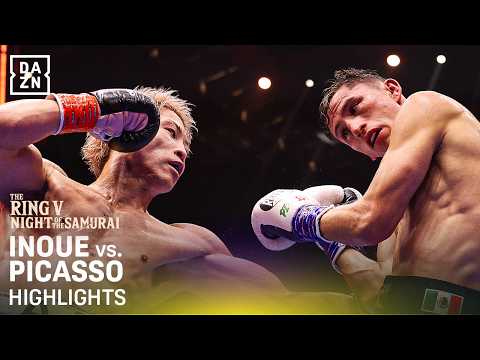
HIGHLIGHTS! Naoya Inoue vs David Picasso | Undisputed Title Fight 👑

Oleksandr Usyk (20-0) All Knockouts & Highlights

Shakur Stevenson’s Best Combinations and Knockouts | FIGHT HIGHLIGHTS
Chart basis: counts from Sport on Earth’s own carried data files at build time — verified videos carried for this sport (the verified pool: sport-videos.json + the desk league pools), news items carried (news.json), and league pages carried (desk.json). No external or estimated figures.
The filter sorts the Review Room embeds and the picture cards above by the keywords in their carried titles (review / analysis / recap and similar, or highlights). It runs entirely in your browser — nothing is sent anywhere.
Hall of Fame
International Boxing Hall of Fame
Canastota, New York, United States
357 inductees — every name on the hall's published list, grouped by class year.
All 357 inductees by class year
1990 — Muhammad Ali (Modern) · Henry Armstrong (Modern) · Carmen Basilio (Modern) · Ezzard Charles (Modern) · Billy Conn (Modern) · Bob Foster (Modern) · Joe Frazier (Modern) · Kid Gavilán (Modern) · Emile Griffith (Modern) · Jake LaMotta (Modern) · Joe Louis (Modern) · Rocky Marciano (Modern) · Carlos Monzón (Modern) · Archie Moore (Modern) · José Nápoles (Modern) · Willie Pep (Modern) · Sugar Ray Robinson (Modern) · Sandy Saddler (Modern) · Jersey Joe Walcott (Modern) · Ike Williams (Modern) · Abe Attell (Old-Timers) · Jack Britton (Old-Timers) · Tony Canzoneri (Old-Timers) · James J. Corbett (Old-Timers) · Jack Dempsey (Old-Timers) · George Dixon (Old-Timers) · Jim Driscoll (Old-Timers) · Bob Fitzsimmons (Old-Timers) · Joe Gans (Old-Timers) · Harry Greb (Old-Timers) · Peter Jackson (Old-Timers) · James J. Jeffries (Old-Timers) · Jack Johnson (Old-Timers) · Stanley Ketchel (Old-Timers) · Sam Langford (Old-Timers) · Benny Leonard (Old-Timers) · Terry McGovern (Old-Timers) · Barney Ross (Old-Timers) · Gene Tunney (Old-Timers) · Mickey Walker (Old-Timers) · Jimmy Wilde (Old-Timers) · Jack Broughton (Pioneer) · Jem Mace (Pioneer) · Daniel Mendoza (Pioneer) · Tom Sayers (Pioneer) · John L. Sullivan (Pioneer)
1991 — Marcel Cerdan (Modern) · Gene Fullmer (Modern) · Rocky Graziano (Modern) · Beau Jack (Modern) · Sonny Liston (Modern) · Rubén Olivares (Modern) · Carlos Ortiz (Modern) · Floyd Patterson (Modern) · Salvador Sánchez (Modern) · Dick Tiger (Modern) · Tony Zale (Modern) · Georges Carpentier (Old-Timers) · Kid Chocolate (Old-Timers) · Johnny Dundee (Old-Timers) · Young Griffo (Old-Timers) · Tommy Loughran (Old-Timers) · Charles McCoy (Old-Timers) · Jimmy McLarnin (Old-Timers) · Tommy Ryan (Old-Timers) · Joe Walcott (Old-Timers) · Tom Cribb (Pioneer) · William "Bendigo" Thompson (Pioneer)
1992 — Alexis Argüello (Modern) · Nino Benvenuti (Modern) · Charley Burley (Modern) · Billy Graham (Modern) · Éder Jofre (Modern) · Ken Norton (Modern) · Max Schmeling (Modern) · Lou Ambers (Old-Timers) · Al Brown (Old-Timers) · Jack "Nonpareil" Dempsey (Old-Timers) · Mike Gibbons (Old-Timers) · Packey McFarland (Old-Timers) · Battling Nelson (Old-Timers) · Harry Wills (Old-Timers) · James Belcher (Pioneer) · James Figg (Pioneer) · James Burke (Pioneer) · John Jackson (Pioneer) · Thomas King (Pioneer) · Nat Langham (Pioneer) · Tom Spring (Pioneer)
1993 — Gabriel Elorde (Modern) · Joey Giardello (Modern) · Marvelous Marvin Hagler (Modern) · Harold Johnson (Modern) · Fritzie Zivic (Modern) · Les Darcy (Old-Timers) · Tiger Flowers (Old-Timers) · Tommy Gibbons (Old-Timers) · Maxie Rosenbloom (Old-Timers) · Hen Pearce (Pioneer)
1994 — Jack Kid Berg (Modern) · Joey Maxim (Modern) · Michael Spinks (Modern) · Carlos Zárate (Modern) · John Henry Lewis (Old-Timers) · Philadelphia Jack O’Brien (Old-Timers) · Jack Sharkey (Old-Timers) · Pancho Villa (Old-Timers) · Benjamin Brain (Pioneer)
1995 — Wilfredo Gómez (Modern) · Fighting Harada (Modern) · Bob Montgomery (Modern) · Pascual Pérez (Modern) · Max Baer (Old-Timers) · Jack Dillon (Old-Timers) · Johnny Kilbane (Old-Timers) · Jack McAuliffe (Old-Timers) · Tom Johnson (Pioneer) · Jem Ward (Pioneer)
1996 — Wilfred Benítez (Modern) · Joe Brown (Modern) · Manuel Ortiz (Modern) · Aaron Pryor (Modern) · Tommy Burns (Old-Timers) · Jack Delaney (Old-Timers) · Fidel LaBarba (Old-Timers) · Young Stribling (Old-Timers) · Kid Williams (Old-Timers) · John Morrissey (Pioneer)
1997 — Sugar Ray Leonard (Modern) · Luis Manuel Rodríguez (Modern) · José Torres (Modern) · Chalky Wright (Modern) · Pete Herman (Old-Timers) · Joe Jeanette (Old-Timers) · Freddie Miller (Old-Timers) · Freddie Welsh (Old-Timers) · Tom Molineaux (Pioneer) · Dutch Sam (Pioneer)
1998 — Sammy Angott (Modern) · Miguel Canto (Modern) · Antonio Cervantes (Modern) · Matthew Saad Muhammad (Modern) · Joe Choynski (Old-Timers) · Frankie Genaro (Old-Timers) · George Lavigne (Old-Timers) · Benny Lynch (Old-Timers) · Sammy Mandell (Old-Timers) · Professor Mike Donovan (Pioneer)
1999 — Jimmy Bivins (Modern) · Khaosai Galaxy (Modern) · Lew Jenkins (Modern) · Eusebio Pedroza (Modern) · Vicente Saldivar (Modern) · Johnny Coulon (Old-Timers) · Sam McVey (Old-Timers) · Freddie Steele (Old-Timers) · Lew Tendler (Old-Timers)
2000 — Ken Buchanan (Modern) · Jimmy Carter (Modern) · Jeff Chandler (Modern) · Bobo Olson (Modern) · Jimmy Barry (Old-Timers) · Battling Levinsky (Old-Timers) · Billy Petrolle (Old-Timers) · Ad Wolgast (Old-Timers) · Arthur Chambers (Pioneer)
2001 — Ismael Laguna (Modern) · László Papp (Modern) · Willie Pastrano (Modern) · Sugar Ramos (Modern) · Randolph Turpin (Modern) · Paul Berlenbach (Old-Timers) · James J. Braddock (Old-Timers) · Billy Papke (Old-Timers) · Midget Wolgast (Old-Timers) · Barney Aaron (Pioneer)
2002 — José "Pipino" Cuevas (Modern) · Jeff Fenech (Modern) · Víctor Galíndez (Modern) · Ingemar Johansson (Modern) · Benny Bass (Old-Timers) · Sixto Escobar (Old-Timers) · Harry Harris (Old-Timers) · Dixie Kid (Old-Timers) · Charley Mitchell (Old-Timers) · Owen Moran (Old-Timers) · John C. Heenan (Pioneer) · Young Dutch Sam (Pioneer)
2003 — Fred Apostoli (Modern) · Curtis Cokes (Modern) · George Foreman (Modern) · Nicolino Locche (Modern) · Mike McCallum (Modern) · Battling Battalino (Old-Timers) · Louis Kaplan (Old-Timers) · Tom Sharkey (Old-Timers) · Jess Willard (Old-Timers) · Caleb Baldwin (Pioneer) · Joe Goss (Pioneer)
2004 — Azumah Nelson (Modern) · Carlos Palomino (Modern) · Dwight Muhammad Qawi (Modern) · Daniel Zaragoza (Modern) · Baby Arizmendi (Old-Timers) · Young Corbett III (Old-Timers) · Jackie Fields (Old-Timers) · Willie Ritchie (Old-Timers) · Billy Edwards (Pioneer)
2005 — Bobby Chacon (Modern) · Duilio Loi (Modern) · Barry McGuigan (Modern) · Terry Norris (Modern) · Eugène Criqui (Old-Timers) · Joe Lynch (Old-Timers) · Charles "Bud" Taylor (Old-Timers) · Marcel Thil (Old-Timers) · Jack Randall (Pioneer) · Bill Richmond (Pioneer)
2006 — Michael Carbajal (Modern) · Humberto González (Modern) · Edwin Rosario (Modern) · Lou Brouillard (Old-Timers) · Jimmy Slattery (Old-Timers) · Teddy Yarosz (Old-Timers) · Jem Carney (Pioneer)
2007 — Roberto Durán (Modern) · Ricardo López (Modern) · Pernell Whitaker (Modern) · George Godfrey (Old-Timers) · Pedro Montañez (Old-Timers) · Kid Norfolk (Old-Timers) · Young Barney Aaron (Pioneer) · Dick Curtis (Pioneer)
2008 — Larry Holmes (Modern) · Eddie Perkins (Modern) · Holman Williams (Modern) · Len Harvey (Old-Timers) · Frank Klaus (Old-Timers) · Harry Lewis (Old-Timers) · Dan Donnelly (Pioneer) · Paddy Duffy (Pioneer)
2009 — Orlando Canizales (Modern) · Lennox Lewis (Modern) · Brian Mitchell (Modern) · William Jones (Old-Timers) · Billy Smith (Old-Timers) · Billy Soose (Old-Timers) · Tom Hyer (Pioneer)
2010 — Chang Jung-koo (Modern) · Danny Lopez (Modern) · Lloyd Marshall (Modern) · Young Corbett II (Old-Timers) · Rocky Kansas (Old-Timers) · Billy Miske (Old-Timers) · Paddington Tom Jones (Pioneer)
2011 — Julio César Chávez (Modern) · Kostya Tszyu (Modern) · Mike Tyson (Modern) · Memphis Pal Moore (Old-Timers) · Jack Root (Old-Timers) · Dave Shade (Old-Timers) · John Gully (Pioneer)
2012 — Herbert Hardwick (Modern) · Thomas Hearns (Modern) · Mark Johnson (Modern) · Newsboy Brown (Old-Timers) · Leo Hauck (Old-Timers) · Jake Kilrain (Old-Timers) · James Wharton (Pioneer)
2013 — Arturo Gatti (Modern) · Virgil Hill (Modern) · Yuh Myung-woo (Modern) · Wesley Ramey (Old-Timers) · Jeff Smith (Old-Timers) · Joe Coburn (Pioneer)
2014 — Joe Calzaghe (Modern) · Oscar De La Hoya (Modern) · Félix Trinidad (Modern) · George Chaney (Old-Timers) · Mike O’Dowd (Old-Timers) · Charles Ledoux (Old-Timers) · Tom Allen (Pioneer)
2015 — Naseem Hamed (Modern) · Riddick Bowe (Modern) · Ray Mancini (Modern) · Yoko Gushiken (Old-Timers) · Masao Ohba (Old-Timers) · Ken Overlin (Old-Timers)
2016 — Héctor Camacho (Modern) · Lupe Pintor (Modern) · Hilario Zapata (Modern) · Petey Sarron (Old-Timers)
2017 — Marco Antonio Barrera (Modern) · Evander Holyfield (Modern) · Johnny Tapia (Modern) · Eddie Booker (Old-Timers)
2018 — Vitali Klitschko (Modern) · Erik Morales (Modern) · Winky Wright (Modern) · Sid Terris (Old-Timers)
2019 — Donald Curry (Modern) · Julian Jackson (Modern) · Buddy McGirt (Modern) · Tony DeMarco (Old-Timers)
2020 — Bernard Hopkins (Modern) · Juan Manuel Márquez (Modern) · Shane Mosley (Modern) · Frank Erne (Old-Timers) · Paddy Ryan (Pioneer) · Christy Martin (Women — Modern) · Lucia Rijker (Women — Modern) · Barbara Buttrick (Women — Trailblazers)
2021 — Wladimir Klitschko (Modern) · Floyd Mayweather Jr. (Modern) · Andre Ward (Modern) · Davey Moore (Old-Timers) · Laila Ali (Women — Modern) · Ann Wolfe (Women — Modern) · Jackie Tonawanda (Women — Trailblazers) · Marian Trimiar (Women — Trailblazers)
2022 — Miguel Cotto (Modern) · Roy Jones Jr. (Modern) · James Toney (Modern) · Tod Morgan (Old-Timers) · Regina Halmich (Women — Modern) · Holly Holm (Women — Modern)
2023 — Timothy Bradley (Modern) · Carl Froch (Modern) · Rafael Márquez (Modern) · Tiger Jack Fox (Old-Timers) · Pone Kingpetch (Old-Timers) · Alicia Ashley (Women — Modern) · Laura Serrano (Women — Modern) · JoAnn Hagen (Women — Trailblazers)
2024 — Ricky Hatton (Modern) · Michael Moorer (Modern) · Iván Calderón (Modern) · Diego Corrales (Modern) · Luis Angel Firpo (Old-Timers) · Jane Couch (Women — Modern) · Ana María Torres (Women — Modern) · Theresa Kibby (Women — Trailblazers)
2025 — Manny Pacquiao (Modern) · Vinny Pazienza (Modern) · Michael Nunn (Modern) · Rodrigo Valdez (Old-Timers) · Owen Swift (Pioneer) · Mary Jo Sanders (Women — Modern) · Anne Sophie Mathis (Women — Modern) · Yessica Chávez (Women — Modern) · Cathy Davis (Women — Trailblazers)
2026 — Gennady Golovkin (Modern) · Nigel Benn (Modern) · Antonio Tarver (Modern) · Jimmy Clabby (Old-Timers) · Naoko Fujioka (Women — Modern) · Jackie Nava (Women — Modern)
Source basis: Wikipedia — "International Boxing Hall of Fame" (accessed Nov 1, 2026); parsed mechanically from the article’s published table. Material from Wikipedia is used under CC BY-SA 4.0..
Full inductee profiles → 354 of the 357 inductees above carry a full verified profile — biography, induction record and verified video where one exists. The rest are list-only until a biography can be verified the same way.
📖 Boxing — Tactics & Strategy — every entry, plus the arcade strategy, at the foot of this page.
Boxing Arcade — Strike Range
An arcade take on Boxing: set the angle, set the power, and land the strike in the pad. Five attempts; the closer to the middle, the more it scores. Arcade distances and a training arc — a game in the spirit of the sport, not a simulation of it.
More ways to play Boxing
This page’s own game is the arcade above. Everything else on the site that fits this sport is listed here — and anything borrowed from a similar sport is labelled as that sport’s game, never passed off as this one’s.
- Top Sport on Earth — Boxing is one of the 455 sport cards in the SPORTS deck: play Top Sport on Earth.
- More in this family — Wrestling Arcade — Strike Range: the game of Wrestling, a similar sport in Boxing’s family.
- Everything else the site runs lives on the Games hub.
Training by attribute
This sport's demands, broken down by attribute — the attributes it trains, why it demands them, and a sample week built from published coaching sources (general information, not medical advice): Training by Attribute — Boxing.
On screen
6 verified documentaries, films and series about this sport are listed in the site's screen guide: Sport on Screen — Boxing.
Tools for Boxing
The tools on this site that honestly run on Boxing — its own record first, then the site-wide general tools that apply. The full Boxing toolkit prints the ones that do not apply, with the data reason why.
Tools that run on Boxing’s own record
- You Are the Referee — Branching decision trees built from this sport’s own rule-changes dossier, each ruling cited to its rule.
- Signals in the Record — The officials’ signals extracted from the rule dossiers, this sport’s included where its dossier documents them.
- Venue Profiles — The venue directories the site carries name 18 venues for this sport, with the flagship grounds documented from the structured record.
General tools that also apply
Site-wide tools, not built for Boxing alone: Tournament Planner · My Notebook · The Labs · Design Studio · The Makers’ Bench · Match Day Desk · Play It Near You · Myth-Check Desk · Governing Bodies · Heat & Safety Calculator (WBGT) · Hydration Calculator · Training-Load Planner · Game Clock & Timer · Custom Rulebook Generator · Scout Notes Parser.
Boxing — Tactics & Strategy
Tactics & Strategy — this sport’s book
boxing’s book is a tactics book — there are no called plays in a fight, but there is a century of documented craft: the jab as a system, the styles triangle, and the corner’s between-rounds playbook.
12 entries, plus the arcade strategy below. All wording is original coaching-vocabulary prose; nothing is copied from any proprietary playbook.
The Jab (the System’s First Word)
The jab is range-finder, shield, scoring punch and metronome in one: everything in a boxing game plan is built behind it, and the fighter who cannot jab must manufacture another way to begin every sentence.
When it’s used: All four styles start here; the jab’s absence is the first scouting note on any opponent.
The sequence
- The jab is thrown from the shoulder with the chin behind it — the punch is a position, not an arm movement.
- The double jab closes distance safely; the jab to the body changes the opponent’s guard’s address.
- A jab countered repeatedly is a game plan being read: vary its rhythm or abandon it by the corner’s order.
The Styles Triangle
Boxing’s oldest theory: the pressure fighter swarms the pure boxer, the pure boxer outplays the slugger, the slugger’s power punishes the pressure fighter’s entry — styles make fights because each craft is another’s antidote.
When it’s used: Matchmaking and game plans alike are read off the triangle.
The sequence
- The pressure fighter’s plan is attrition: body work early, volume late, the ring cut smaller every round.
- The boxer’s plan is geography: the centre is his, the ropes are a foreign country he visits only to leave.
- The slugger’s plan is the ambush: rounds are spent making the opponent comfortable at the range where one punch lives.
Cutting the Ring
Against a mover, the pursuer does not follow: he steps to where the mover’s escape ends, shrinking the ring in straight lines while the mover pays in circles — the geometry of pressure.
When it’s used: Chasing is losing slowly; cutting is the same distance walked in chords instead of arcs.
The sequence
- Move to the escape’s end, not to the man: his next position is the target.
- Punch at the ropes’ arrival, not during the chase — the corner is the punch’s accomplice.
- Each cut is smaller than the last: the ring shrinks by rounds, and the plan is patient about it.
Body Work (the Investment)
Punches to the body are deposits: they cost the opponent his legs and his late rounds, paid out in the championship rounds when a head-hunted fighter is still fresh and a body-worked one is old.
When it’s used: The corner’s oldest instruction: kill the body and the head will die.
The sequence
- The body attack is set up behind the jab so its price (the counter’s window) is insured.
- Left hooks to the liver and straight rights to the solar plexus are the classic instruments — each has its own setup literature.
- Body work is judged by round eight, not round two: the investor does not check his account early.
The Counterpuncher’s Traps
The counterpuncher sells openings: the dropped hand that invites the jab he has timed, the apparent retreat that is a set trap at the ropes. His book is written by the opponent’s confidence.
When it’s used: Countering is a confidence game played with the chin as the stake.
The sequence
- The invitation must look like an error, not a design — the great counters are acted as much as thrown.
- The counter is drilled against the specific punch it answers; there is no general counter, only prepared ones.
- A counterpuncher behind on points owns a problem his style cannot solve: the book’s last page is the forced march forward.
The Inside Game (the Phone Booth)
At close range the fight changes weapons: uppercuts and short hooks, the shoulder and forehead as legal geography, and the clinch as a rest the referee must be made to allow.
When it’s used: In-fighting is a separate sport sharing the ring; some champions live there.
The sequence
- The inside fighter keeps his forehead on the opponent’s shoulder line — position first, punches second.
- Short punches are turned with the hips in inches: the phone booth has no room for a wind-up.
- The clinch is timed to the opponent’s combinations, never to your own rest’s convenience alone — referees have memories.
The Corner’s Book (Between Rounds)
Sixty seconds, three jobs: repair the fighter, read the fight, change the plan in one instruction he can hold. The corner is boxing’s coaching staff, and its craft is a literature of its own.
When it’s used: More fights turn on a corner’s sentence than on any single punch.
The sequence
- One instruction per round, stated as a picture, not a paragraph.
- The corner reads the opponent’s corner too: his instructions leak across the ring’s silence.
- The stool’s decision — when to stop a fight — is the book’s heaviest page, and it is a tactic of love, not surrender.
The Championship Rounds (Pacing)
A twelve-round fight is budgeted like a marathon with violence: the early rounds bank information, the middle rounds bank damage, the late rounds are spent by whoever budgeted better.
When it’s used: Pacing is the skill the scorecards grade without naming.
The sequence
- A fighter who must win the late rounds needs his legs: the body-work defence and the jab’s economy are how they’re saved.
- The tenth round is the fight’s honest mirror — game plans are confessed there.
- The final round of a close fight is boxed as if behind: the judges’ memory is a recency machine, and champions know it.
Southpaw and Orthodox (the Lead-Foot War)
Opposite stances fight a second fight with their lead feet: the southpaw’s whole craft begins with winning the outside foot position, from which his straight left is a corridor and the orthodox right hand is a rumour.
When it’s used: The lead-foot battle is the stance war’s first and quietest front.
The sequence
- The southpaw steps his lead foot outside the orthodox lead: the angle pays for every punch after it.
- The orthodox answer is the right hand over the southpaw’s jab and the left hook inside his lead.
- Two southpaws together restart the geometry from zero — a rarity the books treat as a novelty act.
Amateur Scoring Craft (the Points Game)
The amateur code scores clean punches in short rounds: its book prizes volume, the visible jab, and the flurry at the round’s end that the judges’ memory keeps — a different optimisation from the professional’s attrition.
When it’s used: Same gloves, different arithmetic: three rounds cannot hold a twelve-round plan.
The sequence
- The amateur’s first minute is the whole fight’s argument — there is no feeling-out process at this length.
- Combinations are scored as punctuation: judges count the full stops.
- The headguard era’s lessons stand in the book: volume visible from every seat beats damage visible from one.
The Feint (Information Warfare)
A feint is a question the opponent’s guard answers: half-punches, shoulder rolls and eye fakes that map his reactions before the real attack is written from the map.
When it’s used: Every great attack in the books begins with three feints and a reading.
The sequence
- Feint the body and watch the elbows; feint the head and watch the feet.
- A feint repeated becomes a rhythm the opponent times — the third identical feint is a confession.
- The counterpuncher feints to be countered: his traps are built from your answers to his questions.
Defence Systems (the Guard’s Schools)
The high guard, the shoulder roll (the Philly shell), the cross-arm, the peek-a-boo: boxing’s defensive systems are named formations with known strengths, and choosing one is choosing which punches you are willing to be hit by.
When it’s used: No guard stops everything; each is a budget of permissions.
The sequence
- The shoulder roll turns the straight right into a glancing debt and answers with the counter right — a system that is also an attack.
- The peek-a-boo’s bobbing makes the head a moving address and launches the combination from its lowest point.
- The high guard survives storms and concedes the body: its book accepts the trade in writing.
Playing the Game
Playing the Game — Strike Range
The arcade cell · strategy
This page’s arcade cell: launch the strike at the pad from at striking range · 30 m (arcade scale). Angle, power, launch — five attempts, and the cell keeps your best.
When it’s used: On this page, in the Play section — and its strategy is the same craft as the book above it, miniaturised.
The sequence
- Set the angle first. The target is the pad, at striking range · 30 m (arcade scale) — the angle is chosen for where the strike must finish, not where it starts.
- Set the power second, on the sweeping meter: the scoring zone is a band, not a point, so aim for the middle of the band you can repeat, not the edge you can imagine.
- Launch, and read the result like a rangefinder: every attempt tells you the cell’s wind — there is none, so a miss is a measurement error, and it is yours to correct on the next attempt.
- You have 5 attempts. Feint with the angle, strike with the power: show one launch and take another.
- The cell’s own honesty line applies: arcade distances; a game, not a simulation.
Part of the Sport on Earth Playbooks — a book for every sport and every game on the site.
Behind the Play
Behind the Play · Full treatment — from this sport’s own record
Two fighters trade punches in rounds, judged on points or ended by knockout or stoppage.
Behind the Play takes the decisive actions of Boxing apart: how the scoring play is built, which patterns the players are really running, and which rules remade the play into its modern shape.
The shape of the play
Boxing’s rule history is a slow civilising of a blood sport: gloves for fists, rounds for endurance contests, and — after a death broadcast worldwide in 1982 — a hard ceiling on how long a championship fight may run.
The patterns behind the play
- Distance is the first defence: the athlete who chooses the range usually chooses the exchanges.
- Feints buy information: a reaction shown once will be there again — test cheaply before committing.
- Defence in layers: movement first, then guard, then counters — never rely on a single layer.
- Conditioning is a weapon: late rounds belong to the athlete whose output drops least.
- Styles make fights: a pressure fighter, a counter-puncher and an outside striker each make the others look different — matchups are tactical before they are physical.
- The corner is a second brain: between rounds, fights are re-planned from what the corner saw that the fighter, inside it, could not.
Rules that remade the play
The Queensberry Rules (published 1867; dominant by the 1890s). The Marquess of Queensberry Rules (drafted by John Graham Chambers, 1865, published under the Marquess’s patronage in 1867): gloves, three-minute rounds with one-minute rests, a ten-second count for a downed man, no wrestling. John L. Sullivan — the last bare-knuckle champion — lost the gloved title to James Corbett in 1892, and the new code owned the sport within a generation.
Every modern boxing rule — the count, the rounds, the gloves — is Queensberry’s skeleton. Even the sport’s scoring (the 10-point must system, standardised in the 20th century) hangs on the frame the 1867 code built.
Fifteen Rounds Become Twelve (1982–1988). After lightweight Duk-koo Kim died from injuries in a televised 14th-round stoppage loss to Ray Mancini in November 1982, the WBC cut title fights to twelve rounds (1983); the WBA followed in 1987 and the IBF in 1988. Twelve rounds has been the championship distance ever since.
The 12-round limit is permanent and shapes everything: pacing, the meaning of ’championship rounds’ (now 11–12), and record-book comparisons, since the 15-round greats fought a distance no modern champion will ever be asked to survive.
The Day-Before Weigh-In (adopted progressively through the 1980s). Commissions and bodies moved weigh-ins to the day BEFORE the fight (24+ hours ahead), intending to give dehydrated fighters time to recover safely before being hit. Fighters responded by cutting far more weight and rehydrating 10–20 pounds overnight — arriving in a heavier class than the one they weighed in for.
The weigh-in’s timing is now one of boxing’s live regulatory battlegrounds; the day-before weigh-in remains standard, with same-day proposals resurfacing after every weight-cut tragedy — a rule whose consequences inverted its intention.
From this page’s Rule Changes & Named Rules dossier, where every entry names its source.
The moves in the book
- Stance
- The base position from which all attacks and defences launch — balanced, mobile and hard to knock off line.
- Guard
- The defensive position of hands, arms or weapon that protects the target areas while staying ready to attack.
- Feint
- A false attack or movement that draws a reaction and opens the real target.
- Counter
- An attack launched into the opponent’s attack, timed off their commitment.
- Range
- The distance between combatants; fights are won by the athlete who controls which range the fight happens at.
Source basis: this sport’s carried record on this page (verified record, rule-changes dossier, history datasets) and the play patterns of its family as written in the site’s guides. Nothing here is invented.