Sport on Earth › Sports
Sport on Earth · Sport
Tennis
How it’s played
Players hit a ball over a net into the opponent’s court. Win points, games, and sets on grass, clay, or hard courts.
History
Modern lawn tennis dates from the 1870s; Wimbledon began in 1877; the Open Era started in 1968.
The pro scene
Professional: ATP and WTA Tours, the four Grand Slams, Davis Cup, Billie Jean King Cup, plus ITF and Challenger tiers.
College and school: NCAA and school leagues in the US; clubs and federations carry youth development elsewhere.
Grassroots and other: Club ladders, social doubles, wheelchair tennis, padel and pickleball as neighbors.
Season calendar
Australian Open in January, French Open in May and June, Wimbledon in June and July, US Open in August and September.
Dates above are recurring patterns, not confirmed fixtures.
League histories
- ATP / WTA — founded 1972. The men’s and women’s professional tennis tours, built around rankings and a global tournament calendar.
- WCT — World Championship Tennis — 1968–1989, defunct. Its history of record is kept in the Lost Sports archive.
Leagues
ATP / WTA Desk
ATP / WTA
47 team views · 24 pieces · 12 videos
News Desk
News stories from around the world, gathered and sourced by the Sport on Earth desk.
Tennis on the program for Australian Open 2027
Tennis is carried on the program for Australian Open 2027, 17 – 31 January 2027, in Melbourne Park, Melbourne. Players hit a ball over a net into the opponent’s court. Win points, games, and sets on grass, clay, or hard courts. The desk carries the sport’s full record — guide, calendar and history — on its own page.
ATP Tour 2027 calendar · Nov 2026
Tennis on the program for Roland-Garros 2027
Tennis is carried on the program for Roland-Garros 2027, 23 May – 6 June 2027, in Paris. Players hit a ball over a net into the opponent’s court. Win points, games, and sets on grass, clay, or hard courts. The desk carries the sport’s full record — guide, calendar and history — on its own page.
ATP Tour 2027 calendar · Nov 2026
Tennis on the program for Wimbledon 2027
Tennis is carried on the program for Wimbledon 2027, 28 June – 11 July 2027, in All England Club, London. Players hit a ball over a net into the opponent’s court. Win points, games, and sets on grass, clay, or hard courts. The desk carries the sport’s full record — guide, calendar and history — on its own page.
ATP Tour 2027 calendar · Nov 2026
Tennis on the program for US Open 2027
Tennis is carried on the program for US Open 2027, 29 August – 12 September 2027, in Flushing Meadows, New York. Players hit a ball over a net into the opponent’s court. Win points, games, and sets on grass, clay, or hard courts. The desk carries the sport’s full record — guide, calendar and history — on its own page.
ATP Tour 2027 calendar · Nov 2026
Tennis on the program for Los Angeles 2028 Olympic Games
Tennis is carried on the program for Los Angeles 2028 Olympic Games, 14 – 30 July 2028, in Los Angeles, USA. Players hit a ball over a net into the opponent’s court. Win points, games, and sets on grass, clay, or hard courts. The desk carries the sport’s full record — guide, calendar and history — on its own page.
LA28 / IOC · Nov 2026
Columns & Stories
Written by Sport on Earth’s journalists — columns, features and interviews from the desk.
ATP / WTA Desk · Column
The Tiebreak Was Tennis Admitting the Obvious
Every era of tennis thinks its arguments are new. The site’s rules dossier says otherwise: the sport’s modern history is a series of admissions that the old way could not survive contact with television, fatigue and fairness. The tiebreak arrived at the US Open in 1970 because sets could not be allowed to run forever. Half a century later the four Slams finally harmonised the final-set tiebreak — Wimbledon in 2019, all four Slams by 2022 — because each tournament inventing its own ending had become the one thing more absurd than an endless set.
November 1, 2026
ATP / WTA Desk · Column
The Roll Is the Argument: What Grand Slam men’s singles champions Really Tells Us
Here is the column’s position, stated plainly: the grand slam men’s singles champions roll — 533 editions, 1877 to 2026, counted from the record this site carries — is a better historian than any panel of experts. Panels argue about eras. The roll just keeps score, and its score says Novak Djokovic won 24 of those editions. 4.5% of a competition’s entire history is not a hot streak; it is a structural fact.
November 2, 2026
ATP / WTA Desk · Column
The Roll Is the Argument: What Grand Slam women’s singles champions Really Tells Us
Here is the column’s position, stated plainly: the grand slam women’s singles champions roll — 501 editions, 1884 to 2026, counted from the record this site carries — is a better historian than any panel of experts. Panels argue about eras. The roll just keeps score, and its score says Margaret Smith Court won 24 of those editions. 4.8% of a competition’s entire history is not a hot streak; it is a structural fact.
November 2, 2026
ATP / WTA Desk · Column
Who Gets In, Who Waits: The International Tennis Hall of Fame Standard
The International Tennis Hall of Fame roll this site carries holds 271 names, inducted from 1955 to 2026. Every hall of fame is really two institutions: the one that inducts, and the one that makes the inducted argue about the standard. This column is about the second one.
November 2, 2026
ATP / WTA Desk · Column
Institutions Outlive Seasons: A Column on the ATP / WTA
A column about a league should begin where the league began: ATP founded in September 1972; WTA founded in June 1973, a year later.. The ATP / WTA — The men’s and women’s professional tennis tours, built around rankings and a global tournament calendar. — has since been many things, but it has never stopped being that founding decision, renewed every season.
November 2, 2026
ATP / WTA Desk · Column
The ATP / WTA Notebook: A League in Its Own Image
Every league desk keeps a notebook that is not really about results. This is ours for the ATP / WTA. The census record this site carries describes its sport in one line — Players hit a ball over a net into the opponent’s court. Win points, games, and sets on grass, clay, or hard courts. — and files it under Bat, stick & racket, in the racket family of sports. One line is a discipline: before the desk argues about a league, it has to say what the league is.
November 2, 2026
ATP / WTA Desk · Column
What the ATP / WTA Record Asks of Its Next Season
A new season of the ATP / WTA makes three quiet demands, and the record — not the hype — names them. It asks about the roll’s next line: Carlos Alcaraz won the 2026 edition of the grand slam men’s singles champions, and Started in 1905’s 149-year wait is the roll’s longest open one; the hall’s next class: the International Tennis Hall of Fame roll stands at 271 names, its most recent from 2026; the institution’s next chapter: a league founded in 1972 that has already survived every previous version of this argument.
November 2, 2026
ATP / WTA Desk · Column
The Whole File: A Column on Tennis
A column about an entire sport, which is an immodest assignment, so begin with the file: this desk covers Tennis through 1 league desks, 10 news items and the rolls, halls and histories this site carries for it. The file is the column’s subject — what a sport looks like when you keep all of it in one place.
November 2, 2026
ATP / WTA Desk · Feature
The Long Roll: Grand Slam men’s singles champions and the Weight of Novak Djokovic
Count the grand slam men’s singles champions roll the way this site carries it — 533 editions, 1877 to 2026 — and one name does the heavy lifting: Novak Djokovic, champions 24 times. That is 4.5% of the roll’s whole history, a share no argument about eras can explain away.
November 2, 2026
ATP / WTA Desk · Feature
The Long Roll: Grand Slam women’s singles champions and the Weight of Margaret Smith Court
Every roll of honor is an argument about time, and the grand slam women’s singles champions roll — 501 editions counted from the record this site carries, running from 1884 to 2026 — argues louder than most. At the top of it sits Margaret Smith Court with 24 titles, 4.8% of every edition ever decided. The rest of the roll is the story of everyone who ever tried to move them.
November 2, 2026
ATP / WTA Desk · Feature
The First Class: International Tennis Hall of Fame and the 1955 Inductees
Every hall of fame is founded twice: once when the building opens, and once when the first class walks in. For the International Tennis Hall of Fame in Newport, Rhode Island, United States, that moment came in 1955, when 7 names were inducted together: Oliver Campbell, Joseph Clark, James Dwight, Richard Sears, Henry Slocum, Malcolm Whitman. The roll this site carries now runs to 271 inductees — and it still begins with them.
November 2, 2026
ATP / WTA Desk · Feature
Founded on a Line in the Record: The ATP / WTA Story
The ATP / WTA file this site carries opens with a single line: ATP founded in September 1972; WTA founded in June 1973, a year later.. Everything else about the league — its identity as The men’s and women’s professional tennis tours, built around rankings and a global tournament calendar. — flows from that founding and what it absorbed along the way: Grand Prix and World Championship Tennis circuits; Virginia Slims circuit for the women.
November 2, 2026
ATP / WTA Desk · Feature
The Hall by the Decade: International Tennis Hall of Fame
A hall of fame roll is a sport’s memory with dates on it. The International Tennis Hall of Fame roll this site carries holds 271 inductees, from 1955 to 2026, and the hall itself is in Newport, Rhode Island, United States. Its growth was never smooth: the biggest decade of inductions was the 2010s, with 47 names added.
November 4, 2026
ATP / WTA Desk · Feature
Four Rolls in One: The Grand Slam men’s singles champions by Event
The grand slam men’s singles champions table this site carries is not one roll but 4 of them, filed side by side by year — each event keeping its own roll of honor, its own arithmetic of ownership. Read as one table it misleads; read by event, it tells the truth four ways.
November 12, 2026
ATP / WTA Desk · Feature
From the Rule Book: The Final-Set Tiebreak, Harmonised (Tennis)
The rule-change dossiers this site carries for Tennis run to 5 entries. The one filed as “The Final-Set Tiebreak, Harmonised” is dated Wimbledon 2019; all four Slams 2022 and credited to Grand Slam tennis — and it is the rare rule change whose before and after describe two different sports.
November 20, 2026
ATP / WTA Desk · Interview — the Sport on Earth desk, in its own words
Five Questions With the ATP / WTA Desk
The Sport on Earth ATP / WTA desk takes questions on the tours’ year-end. The desk answers in its own words — no player is quoted, and nothing here is presented as anyone else’s statement.
ATP / WTA Desk · Interview — the Sport on Earth desk, in its own words
Five Questions With the ATP / WTA Desk: The Grand Slam men’s singles champions Roll
The Sport on Earth ATP / WTA Desk takes questions on the grand slam men’s singles champions roll. The desk answers in its own words — no player, coach or official is quoted, and nothing here is presented as anyone else’s statement. 533 editions, 1877–2026; most titles Novak Djokovic (24); 179 distinct winners.
ATP / WTA Desk · Interview — the Sport on Earth desk, in its own words
Five Questions With the ATP / WTA Desk: The Grand Slam women’s singles champions Roll
The Sport on Earth ATP / WTA Desk takes questions on the grand slam women’s singles champions roll. The desk answers in its own words — no player, coach or official is quoted, and nothing here is presented as anyone else’s statement. 501 editions, 1884–2026; most titles Margaret Smith Court (24); 155 distinct winners.
ATP / WTA Desk · Interview — the Sport on Earth desk, in its own words
Five Questions With the ATP / WTA Desk: Inside the International Tennis Hall of Fame
The Sport on Earth ATP / WTA Desk takes questions on the International Tennis Hall of Fame. The desk answers in its own words — no player, coach or official is quoted, and nothing here is presented as anyone else’s statement. Every figure below is counted from the hall’s own roll as this site carries it.
ATP / WTA Desk · Interview — the Sport on Earth desk, in its own words
Five Questions With the ATP / WTA Desk: The ATP / WTA File
The Sport on Earth ATP / WTA Desk takes questions on the ATP / WTA file. The desk answers in its own words — no player, coach or official is quoted, and nothing here is presented as anyone else’s statement. The answers draw on the league history this site carries.
ATP / WTA Desk · Interview — the Sport on Earth desk, in its own words
Five Questions With the ATP / WTA Desk: The ATP / WTA Briefing
The Sport on Earth ATP / WTA Desk takes questions on the ATP / WTA. The desk answers in its own words — no player, coach or official is quoted, and nothing here is presented as anyone else’s statement. A standing briefing, refreshed from the files this site carries.
ATP / WTA Desk · Interview — the Sport on Earth desk, in its own words
Five Questions With the ATP / WTA Desk: ATP / WTA by the Numbers
The Sport on Earth ATP / WTA Desk takes questions on the ATP / WTA in numbers. The desk answers in its own words — no player, coach or official is quoted, and nothing here is presented as anyone else’s statement. Every answer below is a count taken from the site’s own files.
ATP / WTA Desk · Interview — the Sport on Earth desk, in its own words
Five Questions With the ATP / WTA Desk: Grand Slam men’s singles champions, Decade by Decade
The Sport on Earth ATP / WTA Desk takes questions on the grand slam men’s singles champions roll by decade. The desk answers in its own words — no player, coach or official is quoted, and nothing here is presented as anyone else’s statement. 533 editions, 1877–2026; most titles Novak Djokovic (24); 179 distinct winners.
ATP / WTA Desk · Interview — the Sport on Earth desk, in its own words
Five Questions With the ATP / WTA Desk: Grand Slam women’s singles champions, Decade by Decade
The Sport on Earth ATP / WTA Desk takes questions on the grand slam women’s singles champions roll by decade. The desk answers in its own words — no player, coach or official is quoted, and nothing here is presented as anyone else’s statement. 501 editions, 1884–2026; most titles Margaret Smith Court (24); 155 distinct winners.
Writing Desk
Everything the desk has published for Tennis, organised by section.
News
- Tennis on the program for Australian Open 2027
- Tennis on the program for Roland-Garros 2027
- Tennis on the program for Wimbledon 2027
- Tennis on the program for US Open 2027
- Tennis on the program for Los Angeles 2028 Olympic Games
From the News Desk · all news, every sport →
Stories
- The Long Roll: Grand Slam men’s singles champions and the Weight of Novak Djokovic ATP / WTA Desk · November 2, 2026
- The Long Roll: Grand Slam women’s singles champions and the Weight of Margaret Smith Court ATP / WTA Desk · November 2, 2026
- The First Class: International Tennis Hall of Fame and the 1955 Inductees ATP / WTA Desk · November 2, 2026
- Founded on a Line in the Record: The ATP / WTA Story ATP / WTA Desk · November 2, 2026
- The Hall by the Decade: International Tennis Hall of Fame ATP / WTA Desk · November 4, 2026
- Four Rolls in One: The Grand Slam men’s singles champions by Event ATP / WTA Desk · November 12, 2026
- From the Rule Book: The Final-Set Tiebreak, Harmonised (Tennis) ATP / WTA Desk · November 20, 2026
All stories across every sport →
Columns
- The Tiebreak Was Tennis Admitting the Obvious ATP / WTA Desk · November 1, 2026
- The Roll Is the Argument: What Grand Slam men’s singles champions Really Tells Us ATP / WTA Desk · November 2, 2026
- The Roll Is the Argument: What Grand Slam women’s singles champions Really Tells Us ATP / WTA Desk · November 2, 2026
- Who Gets In, Who Waits: The International Tennis Hall of Fame Standard ATP / WTA Desk · November 2, 2026
- Institutions Outlive Seasons: A Column on the ATP / WTA ATP / WTA Desk · November 2, 2026
- The ATP / WTA Notebook: A League in Its Own Image ATP / WTA Desk · November 2, 2026
- What the ATP / WTA Record Asks of Its Next Season ATP / WTA Desk · November 2, 2026
- The Whole File: A Column on Tennis ATP / WTA Desk · November 2, 2026
All columns across every sport →
Interviews
- Five Questions With the ATP / WTA Desk ATP / WTA Desk
- Five Questions With the ATP / WTA Desk: The Grand Slam men’s singles champions Roll ATP / WTA Desk
- Five Questions With the ATP / WTA Desk: The Grand Slam women’s singles champions Roll ATP / WTA Desk
- Five Questions With the ATP / WTA Desk: Inside the International Tennis Hall of Fame ATP / WTA Desk
- Five Questions With the ATP / WTA Desk: The ATP / WTA File ATP / WTA Desk
- Five Questions With the ATP / WTA Desk: The ATP / WTA Briefing ATP / WTA Desk
- Five Questions With the ATP / WTA Desk: ATP / WTA by the Numbers ATP / WTA Desk
- Five Questions With the ATP / WTA Desk: Grand Slam men’s singles champions, Decade by Decade ATP / WTA Desk
- Five Questions With the ATP / WTA Desk: Grand Slam women’s singles champions, Decade by Decade ATP / WTA Desk
Shows
Sport on Earth’s daily and weekly video shows for Tennis — every episode, newest first.
Tennis A Day Daily show
Episode 6 — Italy survive a South Korea scare: Berrettini and Vavassori clinch the decider 2-1 in Bologna
Ep. 6 — Thursday, November 26, 2026 · 5:06
Episode 5 — Czechia sweep Canada 2-0 to reach their first Davis Cup semi-final since 2014
Ep. 5 — Wednesday, November 25, 2026 · 6:19
Episode 4 — Alcaraz confirms Bologna: ATP Finals champion heads straight to the Davis Cup Final 8
Ep. 4 — Tuesday, November 24, 2026 · 6:39
Episode 3 — Alcaraz beats world No. 1 Zverev to win his first ATP Finals title
Ep. 3 — Monday, November 23, 2026 · 3:38
Episode 2 — Alcaraz fights back past Shelton, Zverev stays perfect — a dream final in Turin
Ep. 2 — Sunday, November 22, 2026 · 4:24
Episode 1 — The top four seeds sweep into the Turin semi-finals — Alcaraz perfect, Medvedev takes the decider
Ep. 1 — Saturday, November 21, 2026 · 4:48
Videos
Every embed below was verified playable before listing — the network’s standing rule.
Alexander Zverev
Alexander Zverev vs Martin Landaluce DRAMATIC Match! | Vienna 2026 Highlights
#1 on the board · ATP · Germany
Elena Rybakina
Aryna Sabalenka vs. Elena Rybakina Highlights | 2026 US Open Final
#2 on the board · WTA · Kazakhstan
Jannik Sinner
Round of 16: Jannik Sinner vs. Shintaro Mochizuki | Full Highlights | 2026 Wimbledon
#3 on the board · ATP · Italy
Mirra Andreeva
Mirra Andreeva Best Points in 2025 | WTA Highlights
#5 on the board · WTA · Russia
Carlos Alcaraz
Carlos Alcaraz Back In Vienna vs Karen Khachanov! | Vienna 2026 Highlights
#6 on the board · ATP · Spain
View all videos (16)Show fewer videos
Ben Shelton
Ben Shelton vs Aleksandar Kovacevic Entertaining Match 🔥 | Basel 2026 Highlights
#7 on the board · ATP · United States
Coco Gauff
Coco Gauff’s Best Shots From 2025 🤯 | WTA Highlights
#8 on the board · WTA · United States
Jessica Pegula
Jessica Pegula vs. Sorana Cirstea Extended Highlights | 2026 US Open Round 4
#9 on the board · WTA · United States
Carlos Alcaraz vs Frances Tiafoe Highlights | Nitto ATP Finals 2026
YouTube · Tennis TV
Ben Shelton vs Arthur Fils ENTERTAINING Match Highlights 🍿 | Nitto ATP Finals 2026
YouTube · Tennis TV
Elina Svitolina vs. Mirra Andreeva | 2026 FAGE WTA Finals Final | WTA Highlights
YouTube · WTA
Alexander Zverev vs Rafael Jodar Opening Match Highlights | Nitto ATP Finals 2026
YouTube · Tennis TV
Aryna Sabalenka vs. Elina Svitolina | 2026 FAGE WTA Finals Group 2 | WTA Highlights
YouTube · WTA
Taylor Fritz vs Thiago Agustin Tirante For The Title 🏆 | Stockholm 2026 Final Highlights
YouTube · Tennis TV
Daniil Medvedev vs Flavio Cobolli Match Highlights Before ATP Finals 2026 | One-Way Traffic
YouTube · Tennis Girls
Marta Kostyuk vs. Coco Gauff | 2026 FAGE WTA Finals Group 1 | WTA Highlights
YouTube · WTA
Everything for Tennis
Pages
On this page
- How it’s played
- History
- The pro scene
- Season calendar
- League histories
- Leagues
- News Desk
- Columns & Stories
- Writing Desk
- Videos
- Reader comments
- Games, Lab & Calendar
- Story extras
- Season Calendar
- The Physics Lab
- The Record Lab
- Sponsorship History
- How to Play Tennis
- Mechanics & Tips — Tennis
- Equipment Through Time — Tennis
- Sounds of Tennis
- Analytics — Tennis
- Rule Changes & Named Rules
- Results & Fixtures
- History & Records
- Review Room — in-game and post-game review & analysis
- Tennis in pictures & numbers
- Hall of Fame
- Stories from the Record
- Training by attribute
- On screen
- Tools for Tennis
- Player & referee associations
- Tennis — Tactics & Strategy
- Behind the Play
Archives
Games, Lab & Calendar
Games for this sport
Sport on Earth Pinball
Real pinball on a table themed for this sport — the game carries a Tennis theme.
Daily Trivia
A new set of questions every day, across every sport this site covers.
Top Sport on Earth
Real-athlete Top Sport on Earth decks built from the site’s verified board data.
The Lab
Tennis's lab is the Physics Lab section on this page — the applied physics of its sport family, with a computed interactive where one honestly fits.
Physics Arena — the general biomechanics & physics teaching sandbox, shared by every sport.
The homepage sport explorer also carries a general Lab tab of small interactive experiments.
Season calendar
Calendar data not yet carried for Tennis — this site does not yet hold schedule data for it, so no dates are shown rather than invented.
Story extras
Fan poll
Which desk story should we follow up?
Votes are counted on the Sport on Earth server and the totals shown are every reader’s votes; your own choice is remembered in this browser.
Key numbers — The Long Roll: Grand Slam men’s singles champions and the Weight of Novak Djokovic
Bars use only the metrics in the desk's summary data whose values are purely numeric; labels and values are shown verbatim.
How this story developed
Dated news entries for Tennis, newest first, dates exactly as carried in the site’s news data.
- Nov 2026 — Tennis on the program for Australian Open 2027 (ATP Tour 2027 calendar)
- Nov 2026 — Tennis on the program for Roland-Garros 2027 (ATP Tour 2027 calendar)
- Nov 2026 — Tennis on the program for Wimbledon 2027 (ATP Tour 2027 calendar)
- Nov 2026 — Tennis on the program for US Open 2027 (ATP Tour 2027 calendar)
- Nov 2026 — Tennis on the program for Los Angeles 2028 Olympic Games (LA28 / IOC)
The Tours of Tennis
Tennis has no leagues — its structure is two professional tours plus the four Grand Slam tournaments. ESPN’s tennis directory serves exactly two codes, the two tours below, and the site’s tennis desk is built on them.
- ATP Tour — The men’s professional tour (governing body founded 1972): Grand Slams, Masters 1000s, 500s and 250s feeding the Race to the ATP Finals in Turin.
- WTA Tour — The women’s professional tour (founded 1973): the same pyramid, ending in the WTA Finals — the tour whose rankings this site’s tennis desk mirrors.
Source basis: ESPN core API tennis directory (2 codes: atp, wta), probed November 1, 2026.
Season Calendar
Flagship dates — verified
The flagship competitions on the calendar, with the dates for the current/upcoming cycle. Every date below was verified against the named source on 1 November 2026; dates change, and the source is the authority.
| Event | Dates | Where | Source |
|---|---|---|---|
| Australian Open 2027 | 17 – 31 January 2027 | Melbourne Park, Melbourne | ATP Tour 2027 calendar |
| Roland-Garros 2027 | 23 May – 6 June 2027 | Paris | ATP Tour 2027 calendar |
| Wimbledon 2027 | 28 June – 11 July 2027 | All England Club, London | ATP Tour 2027 calendar |
| US Open 2027 | 29 August – 12 September 2027 | Flushing Meadows, New York | ATP Tour 2027 calendar |
| Los Angeles 2028 Olympic Games | 14 – 30 July 2028 | Los Angeles, USA | LA28 / IOC — Games dates |
The season in words
Australian Open in January, French Open in May and June, Wimbledon in June and July, US Open in August and September.
The Physics Lab
Spin, drag and the geometry of the court
Racket sports are projectile physics with extreme drag: a shuttlecock is the most drag-dominated projectile in sport, a table-tennis ball the lightest — and every ball between is steered by topspin and slice through the Magnus effect, which is why a heavy topspin shot dives late and a slice floats. The calculator below is the core flight model, with assumptions printed: no air resistance, no spin, flat ground — use it to see what gravity alone does, then credit drag and spin for the difference you see on court.
String-bed physics matters too: dwell time, string tension and racket flex set how much energy and spin a stroke can impart.
From this sport's own record: Players hit a ball over a net into the opponent’s court. Win points, games, and sets on grass, clay, or hard courts. The lab above treats the physics of the sport's family; no measurement specific to this sport is printed, because the site's verified record for it carries none — parameters are never invented to fill a lab.
Try it: projectile flight calculator
Model: R = v²·sin(2θ)/g, flight time T = 2·v·sin(θ)/g, apex H = (v·sin θ)²/(2g), g = 9.81 m/s². Assumptions: no air resistance, no spin, flat ground, launch and landing at the same height. Real balls and shuttles fly shorter and curve — drag and spin are exactly what this model leaves out, so treat the output as the gravity-only ceiling, not a prediction.
The general teaching sandbox for every sport is the Physics Arena on the Games page — the same printed models, with a defender added.
The Record Lab
The hands-on lab for Tennis, built entirely from the record this site carries for it — its documented rolls, its halls, its venues, its calendar and its census family. Every figure below is computed from that carried record at build time; nothing is estimated and nothing is pulled live. The companion Physics Lab on this page works the family's physics; this lab works the record.
Champions explorer — Grand Slam men’s singles champions
Computed from the roll itself: 150 editions carried (1877–2026). Most titles in the carried roll:
- Novak Djokovic — 10 titles
- William Renshaw — 7 titles
- Roy Emerson — 6 titles
- Roger Federer — 6 titles
- André Vacherot — 4 titles
Basis: the documented dataset “Grand Slam men’s singles champions” carried on this site (Sport on Earth’s documented datasets). Counts are computed from the carried rows only — editions the roll does not carry are not estimated.
Champions explorer — Grand Slam women’s singles champions
Computed from the roll itself: 143 editions carried (1884–2026). Most titles in the carried roll:
- tournament not created — 37 titles
- Margaret Smith Court — 11 titles
- Serena Williams — 7 titles
- Nancye Wynne Bolton — 6 titles
- Daphne Akhurst — 5 titles
Basis: the documented dataset “Grand Slam women’s singles champions” carried on this site (Sport on Earth’s documented datasets). Counts are computed from the carried rows only — editions the roll does not carry are not estimated.
Hall of Fame explorer
Tennis carries 1 hall in the site’s record — International Tennis Hall of Fame — with 271 inductees carried, 260 of them with a full verified profile on this site.
Inductions by decade (computed from the carried induction years):
1950s23
1960s41
1970s45
1980s39
1990s22
2000s39
2010s47
2020s15
Basis: the Hall of Fame record carried on this site — the same rolls and verified profiles the Hall of Fame books print. Inductees a hall lists but the site has not verified stay list-only, exactly as the books state.
Venue explorer
The carried global venue dataset holds 185 venues for Tennis across 41 countries. The largest capacity the dataset records for this sport is 65,326 — Hard Rock Stadium, .
Basis: the global venue dataset carried on this site (6,438 venues with coordinates; the venue explorer on the sports index and the stadium sun table work the same data). Countries beyond the 25 largest are counted in the totals above but not listed here.
The carried calendar
- Australian Open 2027 — 17 – 31 January 2027, Melbourne Park, Melbourne
- Roland-Garros 2027 — 23 May – 6 June 2027, Paris
- Wimbledon 2027 — 28 June – 11 July 2027, All England Club, London
- US Open 2027 — 29 August – 12 September 2027, Flushing Meadows, New York
- Los Angeles 2028 Olympic Games — 14 – 30 July 2028, Los Angeles, USA
Basis: the dated events this entry’s own record carries, as announced by the bodies named in the record. A sport whose record carries no fixed dated calendar says so on its calendar page rather than inventing one.
The family lab — Racket sports
Computed from the site census: the Racket sports family holds 18 entries on this site. Across the family, the carried record includes documented rolls for 1 of them, Hall of Fame data for 3, venue sets for 7, and dated calendars for 4.
Every other entry in the family: 360ball · Badminton · Crossminton · Frescobol · Gaelic Handball · Hanetsuki · Matkot · Padbol · Padel · Pelota and Jai Alai · Pickleball · Racketlon · Racquetball · Real Tennis · Squash · Table Tennis · Tamburello
Basis: the Sport on Earth census itself — the same 460-entry register the census page prints.
Sponsorship History
The sponsorship record of Tennis — title sponsors, jersey and kit deals, venue naming rights, firsts and record deals — from published sources only. Current deals are tracked on the Money Desk sponsorship page.
Australian Open — Ford’s long run, then Kia 1986-2002 onwards
Ford supported the Australian Open for 16 years and withdrew in 2001, replaced by Kia for the following season. Kia started with the event in 2002 and became its longest-running major sponsor, surpassing Ford's tenure.
Kia extends as Australian Open major partner 2002-2023
Kia extended its Australian Open partnership for a further five years to 2023, making it the tournament's longest-running major sponsor, having started the relationship in 2002. Over 17 years its courtesy fleet had accumulated close to six million kilometres carrying players, officials and VIPs.
Wimbledon — long partners, not a title sponsor model 1902 onwards
Wimbledon is described as having the longest partnership in sports history through Slazenger as official ball supplier since 1902, with Rolex as official timekeeper. In 2023 Wimbledon replaced banking partner HSBC, a partner since 2008, with Barclays in a deal reportedly worth 20 million pounds per year.
WTA returns to a global title sponsor — Hologic 2022 onwards
On 3 March 2022 the WTA signed Hologic as global title sponsor and official health partner in what was called the largest global sponsorship in WTA history. It was the WTA's first global title sponsorship since Sony Ericsson in 2010, and Hologic's first worldwide sponsorship.
ATP — FedEx ends, Pepperstone takes rankings naming 2010-2022
FedEx held ATP Platinum Partner status, the tour's second-highest level, since first partnering in 2010, and its sponsorship ended at the end of 2021. Pepperstone then became a platinum partner with naming rights to the official ATP rankings and live rankings, while Emirates remained the tour's premier partner.
Nitto title-sponsors the ATP Finals through 2030 2017-2030
Nitto Denko renewed as title sponsor of the season-ending ATP Finals, continuing in the role through 2030, with the event held in Turin. The renewal was listed by SportBusiness Sponsorship among its ATP Finals sponsorship records.
Sponsorship sources: Australian Open · GoAuto News · Score and Change · NYSportsJournalism · Sports Business Journal
How to Play Tennis
How this game is played, gathered from the record Sport on Earth already carries for Tennis, with the positions taken from the sourced chart cited in that section.
The game in brief
Players hit a ball over a net into the opponent’s court. Win points, games, and sets on grass, clay, or hard courts.
Core rules
Tennis changed its scoring once, famously, in 1970 — and has spent fifty years nibbling at the edges: tiebreaks for final sets, clocks for servers, cameras for line judges. The nibbles added up to a different sport’s rhythm.
The current rules, as the site's rule-change dossier records them:
- The Tiebreak (Grand Slam / tour tennis, 1970 (US Open)): Jimmy Van Alen’s tiebreak — first to 7 points, win by two, at 6 games all — was adopted by the US Open in 1970 (its first version ended 5-all in a sudden-death point) and by Wimbledon in 1971 (initially at 8–8). The scoring revolutionised the sport’s structure without touching its points.
- The Final-Set Tiebreak, Harmonised (Grand Slam tennis, Wimbledon 2019; all four Slams 2022): Wimbledon adopted a tiebreak at 12–12 in 2019; in 2022 all four majors standardised on a 10-point tiebreak at 6–6 in the final set. No more 70–68.
- Hawk-Eye and the Challenge System — Then Live Electronic Line Calling (ATP/WTA/Grand Slams, challenges 2006; live ELC from 2021, tour-wide ATP 2025): Hawk-Eye ball-tracking was adopted with a player challenge system (three unsuccessful challenges per set) at the 2006 Nasdaq-100 Open and that year’s US Open. The endgame removed the humans entirely: the Australian Open went to live electronic line calling (no line judges, calls announced by the system) in 2021, Wimbledon replaced its line judges with live ELC in 2025, and the ATP adopted it tour-wide the same year.
- The Serve Shot Clock (Grand Slam / ATP, 2018): A visible 25-second serve clock, started by the chair umpire and displayed on court, debuted at the 2018 US Open (after trials at 2017’s Next Gen Finals and 2018 tour events): exceed it and the penalties escalate — warning, then loss of a first serve, then a point.
The full dossier — every dated change and named rule, with its source basis — is in this page’s Rule Changes & Named Rules section.
Positions & basic plays
Tennis has no fixed positions — its format designates no positional roles.
Format as carried in hidden_files/batchB-nov1/batchb_data.json: "Players hit a ball over a net into the opponent’s court. Win points, games, and sets on grass, clay, or hard courts." The format carries no designated positional roles. (Source: Sport on Earth carried sport record.)
Its Tactics & Strategy book — its opening entries, the basic plays, are:
- Depth Before Width — The family’s first law: a shot hit deep pins the opponent to his back line and buys the court in front of him; width attempted from a short ball is a donation. Build the rally deep, then widen it. When it’s used: Every rally’s foundation, in every racket code.
- The Weaker Wing Doctrine — Most players own one wing that defends worse, returns shorter, and breaks down third in long exchanges: the book says to live there — not exclusively, but as the rally’s home address. When it’s used: The oldest tactic in the family, and still the default at every level.
- The Change of Direction — The rally is a rhythm until someone breaks it: the player who changes the ball’s direction first, from balance, wins the exchange’s geometry — changing it off balance is how errors are manufactured. When it’s used: Direction changes are earned by footwork, never by hope.
- Serve and Return as First Plays — The family’s only closed skills are its first plays: the serve is hit to a called target with a called second shot behind it, and the return is positioned and aimed with the same deliberation — rallies are won before they are rallies. When it’s used: Treat the first two shots as called plays, because they are the only ones you fully control.
The full book carries 12 entries — in this page’s Playbook / Tactics & Strategy section, and at the Playbooks hub.
Mechanics & Tips — Tennis
How the core actions of Tennis are performed, and how to improve them — the layer between this page's How to Play section (the rules) and its training and physics sections.
The forehand groundstroke
Power in the modern forehand is produced by the coordination (kinetic) chain, ground-up: legs drive, hips and trunk rotate, and the arm and racket are the last links, not the engine. The player turns the shoulders early as the ball approaches (unit turn), loads the outside leg, and swings low-to-high so the strings brush up the back of the ball — that upward brush, with contact slightly in front of the body around waist height, is what creates topspin: the spin pulls the ball down into the court and makes it kick up off the bounce. The follow-through finishes across the body, a sign the swing accelerated through contact instead of steering at it.
Key checkpoints
- Shoulders turned before the ball crosses the net
- Contact in front of the body, roughly waist height
- Low-to-high swing path with the racket head accelerating through contact
- Weight transferring forward into the shot
- Recovery steps begin immediately after the follow-through
Common faults
- Arming the ball — swinging with the arm alone while the trunk stays still; no power and a sore elbow
- Contact late, beside or behind the hip — the ball can only be pushed, usually long or into the net
- Decelerating into contact to ’place’ the ball — the classic cause of dumping a mid-court sitter into the net
Practice drills
- Shadow swings with a pause at the unit turn: turn, check the shoulders are sideways, then swing — 3 sets of 10
- Drop-feed forehands: partner drops a ball at the baseline, hit low-to-high aiming over a target string/rope above the net to groove the topspin path
The serve
The serve uses the continental grip — the ’hammer’ grip, index base knuckle on the second bevel — because it lets the forearm pronate naturally through contact, which is where racket-head speed comes from. The motion mirrors a throw: knees bend and the body coils as the ball is tossed in front of the hitting shoulder, the racket drops behind the back, then legs drive up, trunk rotates, and the arm extends to contact at full reach above and slightly in front of the body. The toss is the foundation of the whole action: placed the same way every time, high enough to be struck at full extension as it begins to fall.
Key checkpoints
- Continental grip — pronation available at contact
- Toss in front of the hitting shoulder, no spin, same height every time
- Contact at full arm extension, ball still rising or just starting to fall
- Knees and trunk visibly coil during the toss, uncoil into contact
- Follow-through finishes across the body, server lands inside the baseline balanced
Common faults
- ’Pancake’ forehand grip — the racket face opens and the serve can only be pushed; pace and spin both disappear
- Toss too far back or to the side — every later link compensates and the motion breaks down differently each time
- Dropping the head and chest at contact — the ball goes straight into the net
Practice drills
- Toss-only drill: toss and catch at full extension without swinging; 20 in a row landing within a racket’s length of the same spot before any serving
- Throwing drill: throw old balls over the net from the service line position — grooving the throwing chain the serve copies
The two-handed backhand
The two-handed backhand is best understood as a non-dominant-hand forehand assisted by the dominant hand: the non-dominant hand (top hand) drives the racket through contact while the dominant hand stabilises. The unit turn loads the front shoulder under the chin, the racket takes back with both hands, and the swing drives forward and slightly up through a contact point in front of the lead hip. Because two hands constrain the swing, reach is shorter than the one-hander — footwork must buy the extra step.
Key checkpoints
- Both hands stay on the grip through the whole swing
- Shoulders fully turned, front shoulder tucked under the chin in preparation
- Contact in front of the lead hip
- Top (non-dominant) arm visibly extends through contact
Common faults
- Dominant hand taking over and pushing the racket — produces a cramped, wristy shot
- Standing too far from the ball and reaching — the two-hander’s shorter lever punishes lazy feet
- Taking the racket back with the hands alone, no shoulder turn — no chain, no power
Practice drills
- Non-dominant-hand forehands (top hand only on the grip) from the service line — teaches which hand actually drives the shot
- Cross-court rally drill at 70% pace, counting clean contacts in front of the hip
Tips
- Split-step as your opponent strikes the ball — every groundstroke mechanic starts with being balanced when the ball arrives.
- Change grips by bevel feel, not by looking at the racket; the serve and the forehand use different grips and the change must be automatic.
- On returns, shorten everything: compact backswing, contact in front, block the pace back deep — it is a groundstroke played with less time, not a different shot.
- Practise the second serve as its own shot — more brush up the back of the ball for kick, aimed with margin — not as a frightened copy of the first.
Mechanics sources consulted: ITF Coaching — Advanced Players Course, Biomechanics and Technique module (coordination chain: movement starts from the ground up, large segments before small); Special Olympics — Tennis Coaching Guide (Teaching Tennis Skills).
Equipment Through Time — Tennis
How this sport's equipment actually changed, entry by entry, from the sources named under each one. Dates a source gives only approximately are printed as c. or as an era, with the reason stated — never sharpened into a precision the record does not support.
1870s–1970s — Racket — wood era
From the sport’s birth in the 1870s until the 1970s nearly all rackets were wood, small-headed and heavy, and needed a press to stop the head warping.
Why it changed: Materials limit: wood set the ceiling on head size and weight.
Source: Wikipedia, ’Tennis technology’ (opened 2026-11-06) — https://en.wikipedia.org/wiki/Tennis_technology
1967 — Racket — steel
Billie Jean King won the 1967 Grand Slam title with a steel Wilson T2000 — the first Slam won with a non-wood racket (steel rackets existed from 1922; the T2000 design was patented in 1957).
Why it changed: Materials: steel allowed a stronger, lighter frame than wood.
Source: Wikipedia, ’Tennis technology’ (opened 2026-11-06) — https://en.wikipedia.org/wiki/Tennis_technology
1968 — Racket — aluminium
Spalding launched the aluminium ’Smasher’ in 1968; aluminium was lighter and more flexible than steel, though most top players kept wood for another decade.
Why it changed: Materials transition; adoption lagged availability.
Source: Wikipedia, ’Tennis technology’ (opened 2026-11-06) — https://en.wikipedia.org/wiki/Tennis_technology
1972 — Ball — optic yellow
The ball was manufactured with optic-yellow felt in 1972, at Lamar Hunt’s request for televised World Championship Tennis; the ITF wrote yellow balls into the rules the same year in the ITF history accounts.
Why it changed: Broadcast: white balls were hard to follow on television.
Source: Wikipedia, ’Tennis technology’ (opened 2026-11-06) — https://en.wikipedia.org/wiki/Tennis_technology
early 1980s — Racket — graphite composites
Graphite (carbon-fibre) composites arrived in the early 1980s (Dunlop Max 200G, used by McEnroe from 1983; Prince Original Graphite); composites became the standard and the last wooden racket appeared at Wimbledon in 1987.
Why it changed: Materials: stiffness-to-weight let heads grow larger without growing heavier.
Source: Wikipedia, ’Tennis technology’ (opened 2026-11-06) — https://en.wikipedia.org/wiki/Tennis_technology
1991–1997 — Strings — polyester
Luxilon produced the first polyester string in 1991; its ALU Power predecessor won its first Slam at the 1997 French Open (Kuerten). Polyester’s spin and durability made it the dominant tour string.
Why it changed: Materials: spin potential changed baseline play.
Source: Wikipedia, ’Tennis technology’ (opened 2026-11-06) — https://en.wikipedia.org/wiki/Tennis_technology
Companion tool: the Equipment Size Visualiser draws today's balls for eight sports at true relative scale — this section is how they got that way.
Sounds of Tennis
The sounds this sport makes, synthesised live in your browser from the physics of the actions themselves — the bat's crack, the ball's thump, the official's whistle, the air of the place. Nothing plays until you press a button; the ambient loop runs only while its button is pressed in.
Provenance: original synthesis, created for Sport on Earth — no recordings, no samples, no crowd, no music. Sports whose defining sound cannot be honestly synthesised carry no sound panel at all; silence there is deliberate.
Analytics — Tennis
Sport on Earth's own analytics: every figure in this panel is computed at build time from the record this site itself carries, with the source named. No outside data is used, and no betting figures of any kind.
Champions-roll concentration
- Grand Slam women’s singles champions — Australian Open: 143 carried editions (1884–2026), 58 different champions; most successful tournament not created — 37 (25.9%); concentration HHI 0.0853, effective champions 11.72.
- Grand Slam men’s singles champions — French Open: 144 carried editions (1877–2026), 75 different champions; most successful Rafael Nadal — 14 (9.7%); concentration HHI 0.0262, effective champions 38.12.
- Grand Slam women’s singles champions — French Open: 142 carried editions (1884–2026), 72 different champions; most successful tournament not created — 12 (8.5%); concentration HHI 0.0262, effective champions 38.19.
- Grand Slam men’s singles champions — Australian Open: 150 carried editions (1877–2026), 88 different champions; most successful Novak Djokovic — 10 (6.7%); concentration HHI 0.0201, effective champions 49.78.
- Grand Slam women’s singles champions — Wimbledon: 134 carried editions (1884–2026), 58 different champions; most successful Martina Navratilova — 9 (6.7%); concentration HHI 0.0316, effective champions 31.61.
- Grand Slam men’s singles champions — Wimbledon: 129 carried editions (1877–2026), 66 different champions; most successful Roger Federer — 8 (6.2%); concentration HHI 0.0239, effective champions 41.92.
- Grand Slam men’s singles champions — US Open: 114 carried editions (1877–2026), 62 different champions; most successful Bill Tilden — 7 (6.1%); concentration HHI 0.0245, effective champions 40.87.
- Grand Slam women’s singles champions — US Open: 133 carried editions (1884–2026), 62 different champions; most successful Helen Wills Moody — 7 (5.3%); concentration HHI 0.0243, effective champions 41.23.
Computed from the site's documented champions datasets — the same rolls behind the Parity Tracker.
Hall of Fame record carried: 271 inductees across 1 hall(s); inductions span 1955–2026; the largest induction decade is the 2010s (47 inductees).
Source: the site's carried hall-of-fame record (historical-players.json).
Venues carried: 185 in 40 countries; the largest carried capacity is 65,326 (Hard Rock Stadium).
Source: the site's global venue record (venues-global.json); a capacity is printed only where the record carries a verified one.
Census arithmetic: Tennis sits in the racket sports family — 18 census sports, of which 2 carry a qualifying champions roll in the site's record.
Rule Changes & Named Rules
Tennis changed its scoring once, famously, in 1970 — and has spent fifty years nibbling at the edges: tiebreaks for final sets, clocks for servers, cameras for line judges. The nibbles added up to a different sport’s rhythm.
The Tiebreak
Before: Sets had no limit: a set continued until someone led by two games, producing marathons like Pancho Gonzales v Charlie Pasarell’s 22–24, 1–6, 16–14, 6–3, 11–9 at Wimbledon 1969 — a five-hour match in a first round, unwatchable for schedulers and television.
The change: Jimmy Van Alen’s tiebreak — first to 7 points, win by two, at 6 games all — was adopted by the US Open in 1970 (its first version ended 5-all in a sudden-death point) and by Wimbledon in 1971 (initially at 8–8). The scoring revolutionised the sport’s structure without touching its points.
Why it happened: Television and scheduling forced it: broadcasters could not sell indefinite matches, and players’ bodies paid for the old system. Van Alen, a Newport socialite and tennis evangelist, had campaigned for his ’VASSS’ scoring reforms for a decade before the US Open’s embrace made him immortal.
In practice today: The tiebreak is now the sport’s pressure sacrament — entire reputations (and a ranking-stat industry) live in it — and its final-set form has been harmonised worldwide (next entry). Traditional advantage final sets survive only in legend.
The Final-Set Tiebreak, Harmonised
Before: The four Slams ran four different final-set systems: the US Open had a tiebreak at 6–6, the Australian Open too (from 2019, a 10-point ’super tiebreak’), while Wimbledon and Roland-Garros played out to a two-game margin — producing Isner v Mahut’s 70–68 fifth set at Wimbledon 2010 (11 hours over three days) and Isner v Anderson’s 26–24 semifinal in 2018, which broke the winner for the final.
The change: Wimbledon adopted a tiebreak at 12–12 in 2019; in 2022 all four majors standardised on a 10-point tiebreak at 6–6 in the final set. No more 70–68.
Why it happened: The 2018 Anderson–Isner semifinal — six and a half hours, after which Anderson could barely move in the final — embarrassed Wimbledon into acting within months. The 2022 harmonisation ended the absurdity of players preparing for four different endgames, pushed by the Grand Slam Board after years of drift.
In practice today: Marathon final sets are now museum pieces; the Isner–Mahut plaque at Wimbledon commemorates a record that can never be broken, because the rule that permitted it no longer exists.
Hawk-Eye and the Challenge System — Then Live Electronic Line Calling
Before: Line calls belonged to human line judges, with errors a permanent feature — most explosively in the 2004 US Open quarter-final where Serena Williams suffered a string of wrong calls, one later officially acknowledged, in a loss to Jennifer Capriati.
The change: Hawk-Eye ball-tracking was adopted with a player challenge system (three unsuccessful challenges per set) at the 2006 Nasdaq-100 Open and that year’s US Open. The endgame removed the humans entirely: the Australian Open went to live electronic line calling (no line judges, calls announced by the system) in 2021, Wimbledon replaced its line judges with live ELC in 2025, and the ATP adopted it tour-wide the same year.
Why it happened: The Serena match was the catalyst for the challenge era — the sport apologised and acted within two years. The live-ELC era came from accuracy data, cost, and a pandemic (2020 events ran with reduced officials) proving the fully automated court worked.
In practice today: A 145-year-old Wimbledon sight — the line judge’s squat and call — ended in 2025. Players now argue with no one; the challenge drama that filled two decades of highlights is itself history, replaced by total, unarguable machine adjudication.
The Serve Shot Clock
Before: The rules allowed 20 seconds (Slams) or 25 (tour) between points, but the limit was enforced by umpire feel, and the era’s great baseliners routinely took far longer amid towel rituals and ball-bouncing liturgies. Matches bled time and broadcasters fumed.
The change: A visible 25-second serve clock, started by the chair umpire and displayed on court, debuted at the 2018 US Open (after trials at 2017’s Next Gen Finals and 2018 tour events): exceed it and the penalties escalate — warning, then loss of a first serve, then a point.
Why it happened: The US Open acted after years of pace complaints and trial data showing the clock changed little for most players while disciplining the extremes. Its most famous subjects — Nadal’s routines, Djokovic’s bounces — adapted publicly within one tournament cycle.
In practice today: The shot clock is now furniture at every major event; between-point time is a managed, visible quantity, and the umpire’s discretionary stopwatch survives only at lower levels of the sport.
Coaching From the Stands Legalised
Before: Coaching during a match was flatly banned in the classic rulebook — a player could be defaulted for receiving it — yet signals from the box were an open secret, policed almost never and denied by everyone.
The change: The WTA experimented with on-court coaching visits (2008–2020) before dropping them; the Tours then moved the other way: the ATP trialled off-court coaching (verbal/gestural, from the stands) from July 2022, and the ITF wrote off-court coaching into the Rules of Tennis from January 2025, with the Slams adopting their own versions.
Why it happened: Hypocrisy was the driver: the 2018 US Open final, where Serena Williams was penalised for coaching she said she never received — in the sport’s most-watched meltdown — exposed a rule enforced only against the unlucky. Tours also wanted coaches, a marketable cast of characters, inside the product rather than pretending they didn’t matter.
In practice today: Coaches now legally direct matches from their seats; the ’illegal coaching’ scandal category is extinct at the top level, and tennis joined the rest of sport in admitting what everyone already knew.
Source basis: ITF Rules of Tennis and Grand Slam rulebooks; ATP/WTA rule-change announcements (2006 Hawk-Eye, 2018 shot clock, 2022–25 coaching); Wimbledon and Australian Open records of the final-set decisions.
Results & Fixtures
Sport on Earth carries no results feed for Tennis: no scores or fixtures are published here, rather than inventing them. The sport's documented record is in its history page and the History & Records section of this page.
History & Records
The historical record for Tennis — past standings, champions, title history and all-time leaders, as deep as verifiable public records go.
Grand Slam men’s singles champions — 150 entries
| Year | Australian Open | French Open | Wimbledon | US Open |
|---|---|---|---|---|
| 1877 | Started in 1905 | Started in 1891 | Spencer Gore | Started in 1881 |
| 1878 | Tournament not created | Tournament not created | Frank Hadow | Tournament not created |
| 1879 | John Hartley | |||
| 1880 | John Hartley | |||
| 1881 | William Renshaw | Richard Sears | ||
| 1882 | William Renshaw | Richard Sears | ||
| 1883 | William Renshaw | Richard Sears | ||
| 1884 | William Renshaw | Richard Sears | ||
| 1885 | William Renshaw | Richard Sears | ||
| 1886 | William Renshaw | Richard Sears | ||
| 1887 | Herbert Lawford | Richard Sears | ||
| 1888 | Ernest Renshaw | Henry Slocum | ||
| 1889 | William Renshaw | Henry Slocum | ||
| 1890 | Willoughby Hamilton | Oliver Campbell | ||
| 1891 | H. Briggs | Wilfred Baddeley | Oliver Campbell | |
| 1892 | Jean Schopfer | Wilfred Baddeley | Oliver Campbell | |
| 1893 | Laurent Riboulet | Joshua Pim | Robert Wrenn | |
| 1894 | André Vacherot | Joshua Pim | Robert Wrenn | |
| 1895 | André Vacherot | Wilfred Baddeley | Fred Hovey | |
| 1896 | André Vacherot | Harold Mahony | Robert Wrenn | |
| 1897 | Paul Aymé | Reginald Doherty | Robert Wrenn | |
| 1898 | Paul Aymé | Reginald Doherty | Malcolm Whitman | |
| 1899 | Paul Aymé | Reginald Doherty | Malcolm Whitman | |
| 1900 | Paul Aymé | Reginald Doherty | Malcolm Whitman | |
| 1901 | André Vacherot | Arthur Gore | William Larned | |
| 1902 | Michel Vacherot | Laurence Doherty | William Larned | |
| 1903 | Max Decugis | Laurence Doherty | Laurence Doherty | |
| 1904 | Max Decugis | Laurence Doherty | Holcombe Ward | |
| 1905 | Rodney Heath | Maurice Germot | Laurence Doherty | Beals Wright |
| 1906 | Anthony Wilding | Maurice Germot | Laurence Doherty | William Clothier |
| 1907 | Horace Rice | Max Decugis | Norman Brookes | William Larned |
| 1908 | Fred Alexander | Max Decugis | Arthur Gore | William Larned |
| 1909 | Anthony Wilding | Max Decugis | Arthur Gore | William Larned |
| 1910 | Rodney Heath | Maurice Germot | Anthony Wilding | William Larned |
| 1911 | Norman Brookes | André Gobert | Anthony Wilding | William Larned |
| 1912 | James Cecil Parke | Max Decugis | Anthony Wilding | Maurice McLoughlin |
| 1913 | Ernie Parker | Max Decugis | Anthony Wilding | Maurice McLoughlin |
| 1914 | Arthur O’Hara Wood | Max Decugis | Norman Brookes | R. Norris Williams |
| 1915 | Gordon Lowe | World War I | World War I | Bill Johnston |
| 1916 | World War I | R. Norris Williams | ||
| 1917 | Robert Lindley Murray | |||
| 1918 | Robert Lindley Murray | |||
| 1919 | Algernon Kingscote | Gerald Patterson | Bill Johnston | |
| 1920 | Pat O’Hara Wood | André Gobert | Bill Tilden | Bill Tilden |
| 1921 | Rhys Gemmell | Jean Samazeuilh | Bill Tilden | Bill Tilden |
| 1922 | James Anderson | Henri Cochet | Gerald Patterson | Bill Tilden |
| 1923 | Pat O’Hara Wood | François Blanchy | Bill Johnston | Bill Tilden |
| 1924 | James Anderson | Jean Borotra | Jean Borotra | Bill Tilden |
| 1925 | James Anderson | René Lacoste | René Lacoste | Bill Tilden |
| 1926 | John Hawkes | Henri Cochet | Jean Borotra | René Lacoste |
| 1927 | Gerald Patterson | René Lacoste | Henri Cochet | René Lacoste |
| 1928 | Jean Borotra | Henri Cochet | René Lacoste | Henri Cochet |
| 1929 | John Colin Gregory | René Lacoste | Henri Cochet | Bill Tilden |
| 1930 | Edgar Moon | Henri Cochet | Bill Tilden | John Doeg |
| 1931 | Jack Crawford | Jean Borotra | Sidney Wood | Ellsworth Vines |
| 1932 | Jack Crawford | Henri Cochet | Ellsworth Vines | Ellsworth Vines |
| 1933 | Jack Crawford | Jack Crawford | Jack Crawford | Fred Perry |
| 1934 | Fred Perry | Gottfried von Cramm | Fred Perry | Fred Perry |
| 1935 | Jack Crawford | Fred Perry | Fred Perry | Wilmer Allison |
| 1936 | Adrian Quist | Gottfried von Cramm | Fred Perry | Fred Perry |
| 1937 | Vivian McGrath | Henner Henkel | Don Budge | Don Budge |
| 1938 | Don Budge | Don Budge | Don Budge | Don Budge |
| 1939 | John Bromwich | Don McNeill | Bobby Riggs | Bobby Riggs |
| 1940 | Adrian Quist | Tournament canceled | World War II | Don McNeill |
| 1941 | World War II | Bernard Destremau | Bobby Riggs | |
| 1942 | Held under German occupation | Ted Schroeder | ||
| 1943 | Joseph Hunt | |||
| 1944 | Frank Parker | |||
| 1945 | Yvon Petra | Frank Parker | ||
| 1946 | John Bromwich | Marcel Bernard | Yvon Petra | Jack Kramer |
| 1947 | Dinny Pails | József Asbóth | Jack Kramer | Jack Kramer |
| 1948 | Adrian Quist | Frank Parker | Bob Falkenburg | Pancho Gonzales |
| 1949 | Frank Sedgman | Frank Parker | Ted Schroeder | Pancho Gonzales |
| 1950 | Frank Sedgman | Budge Patty | Budge Patty | Arthur Larsen |
| 1951 | Dick Savitt | Jaroslav Drobný | Dick Savitt | Frank Sedgman |
| 1952 | Ken McGregor | Jaroslav Drobný | Frank Sedgman | Frank Sedgman |
| 1953 | Ken Rosewall | Ken Rosewall | Vic Seixas | Tony Trabert |
| 1954 | Mervyn Rose | Tony Trabert | Jaroslav Drobný | Vic Seixas |
| 1955 | Ken Rosewall | Tony Trabert | Tony Trabert | Tony Trabert |
| 1956 | Lew Hoad | Lew Hoad | Lew Hoad | Ken Rosewall |
| 1957 | Ashley Cooper | Sven Davidson | Lew Hoad | Mal Anderson |
| 1958 | Ashley Cooper | Mervyn Rose | Ashley Cooper | Ashley Cooper |
| 1959 | Alex Olmedo | Nicola Pietrangeli | Alex Olmedo | Neale Fraser |
| 1960 | Rod Laver | Nicola Pietrangeli | Neale Fraser | Neale Fraser |
| 1961 | Roy Emerson | Manuel Santana | Rod Laver | Roy Emerson |
| 1962 | Rod Laver | Rod Laver | Rod Laver | Rod Laver |
| 1963 | Roy Emerson | Roy Emerson | Chuck McKinley | Rafael Osuna |
| 1964 | Roy Emerson | Manuel Santana | Roy Emerson | Roy Emerson |
| 1965 | Roy Emerson | Fred Stolle | Roy Emerson | Manuel Santana |
| 1966 | Roy Emerson | Tony Roche | Manuel Santana | Fred Stolle |
| 1967 | Roy Emerson | Roy Emerson | John Newcombe | John Newcombe |
| 1968 | Bill Bowrey | ↓ Open Era ↓ | ||
| 1969 | Rod Laver | Rod Laver | Rod Laver | Rod Laver |
| 1970 | Arthur Ashe | Jan Kodeš | John Newcombe | Ken Rosewall |
| 1971 | Ken Rosewall | Jan Kodeš | John Newcombe | Stan Smith |
| 1972 | Ken Rosewall | Andrés Gimeno | Stan Smith | Ilie Năstase |
| 1973 | John Newcombe | Ilie Năstase | Jan Kodeš | John Newcombe |
| 1974 | Jimmy Connors | Björn Borg | Jimmy Connors | Jimmy Connors |
| 1975 | John Newcombe | Björn Borg | Arthur Ashe | Manuel Orantes |
| 1976 | Mark Edmondson | Adriano Panatta | Björn Borg | Jimmy Connors |
| 1977 | Roscoe Tanner (1/1) | Guillermo Vilas | Björn Borg | Guillermo Vilas |
| 1978 | Guillermo Vilas (3/4) | Björn Borg | Björn Borg | Jimmy Connors |
| 1979 | Guillermo Vilas (4/4) | Björn Borg | Björn Borg | John McEnroe |
| 1980 | Brian Teacher (1/1) | Björn Borg | Björn Borg | John McEnroe |
| 1981 | Johan Kriek (1/2) | Björn Borg | John McEnroe | John McEnroe |
| 1982 | Johan Kriek (2/2) | Mats Wilander | Jimmy Connors | Jimmy Connors |
| 1983 | Mats Wilander (2/7) | Yannick Noah | John McEnroe | Jimmy Connors |
| 1984 | Mats Wilander (3/7) | Ivan Lendl | John McEnroe | John McEnroe |
| 1985 | Stefan Edberg (1/6) | Mats Wilander | Boris Becker | Ivan Lendl |
| 1986 | Tournament date changed | Ivan Lendl | Boris Becker | Ivan Lendl |
| 1987 | Stefan Edberg | Ivan Lendl | Pat Cash | Ivan Lendl |
| 1988 | Mats Wilander | Mats Wilander | Stefan Edberg | Mats Wilander |
| 1989 | Ivan Lendl | Michael Chang | Boris Becker | Boris Becker |
| 1990 | Ivan Lendl | Andrés Gómez | Stefan Edberg | Pete Sampras |
| 1991 | Boris Becker | Jim Courier | Michael Stich | Stefan Edberg |
| 1992 | Jim Courier | Jim Courier | Andre Agassi | Stefan Edberg |
| 1993 | Jim Courier | Sergi Bruguera | Pete Sampras | Pete Sampras |
| 1994 | Pete Sampras | Sergi Bruguera | Pete Sampras | Andre Agassi |
| 1995 | Andre Agassi | Thomas Muster | Pete Sampras | Pete Sampras |
| 1996 | Boris Becker | Yevgeny Kafelnikov | Richard Krajicek | Pete Sampras |
| 1997 | Pete Sampras | Gustavo Kuerten | Pete Sampras | Patrick Rafter |
| 1998 | Petr Korda | Carlos Moyá | Pete Sampras | Patrick Rafter |
| 1999 | Yevgeny Kafelnikov | Andre Agassi | Pete Sampras | Andre Agassi |
| 2000 | Andre Agassi | Gustavo Kuerten | Pete Sampras | Marat Safin |
| 2001 | Andre Agassi | Gustavo Kuerten | Goran Ivanišević | Lleyton Hewitt |
| 2002 | Thomas Johansson | Albert Costa | Lleyton Hewitt | Pete Sampras |
| 2003 | Andre Agassi | Juan Carlos Ferrero | Roger Federer | Andy Roddick |
| 2004 | Roger Federer | Gastón Gaudio | Roger Federer | Roger Federer |
| 2005 | Marat Safin | Rafael Nadal | Roger Federer | Roger Federer |
| 2006 | Roger Federer | Rafael Nadal | Roger Federer | Roger Federer |
| 2007 | Roger Federer | Rafael Nadal | Roger Federer | Roger Federer |
| 2008 | Novak Djokovic | Rafael Nadal | Rafael Nadal | Roger Federer |
| 2009 | Rafael Nadal | Roger Federer | Roger Federer | Juan Martín del Potro |
| 2010 | Roger Federer | Rafael Nadal | Rafael Nadal | Rafael Nadal |
| 2011 | Novak Djokovic | Rafael Nadal | Novak Djokovic | Novak Djokovic |
| 2012 | Novak Djokovic | Rafael Nadal | Roger Federer | Andy Murray |
| 2013 | Novak Djokovic | Rafael Nadal | Andy Murray | Rafael Nadal |
| 2014 | Stan Wawrinka | Rafael Nadal | Novak Djokovic | Marin Čilić |
| 2015 | Novak Djokovic | Stan Wawrinka | Novak Djokovic | Novak Djokovic |
| 2016 | Novak Djokovic | Novak Djokovic | Andy Murray | Stan Wawrinka |
| 2017 | Roger Federer | Rafael Nadal | Roger Federer | Rafael Nadal |
| 2018 | Roger Federer | Rafael Nadal | Novak Djokovic | Novak Djokovic |
| 2019 | Novak Djokovic | Rafael Nadal | Novak Djokovic | Rafael Nadal |
| 2020 | Novak Djokovic | Rafael Nadal | Cancelled | Dominic Thiem |
| 2021 | Novak Djokovic | Novak Djokovic | Novak Djokovic | Daniil Medvedev |
| 2022 | Rafael Nadal | Rafael Nadal | Novak Djokovic | Carlos Alcaraz |
| 2023 | Novak Djokovic | Novak Djokovic | Carlos Alcaraz | Novak Djokovic |
| 2024 | Jannik Sinner | Carlos Alcaraz | Carlos Alcaraz | Jannik Sinner |
| 2025 | Jannik Sinner | Carlos Alcaraz | Jannik Sinner | Carlos Alcaraz |
| 2026 | Carlos Alcaraz | Alexander Zverev | Jannik Sinner | Alexander Zverev |
Source basis: Wikipedia — “List of Grand Slam men’s singles champions” (accessed Nov 1, 2026); parsed mechanically from the article’s published table. Material from Wikipedia is used under CC BY-SA 4.0..
Grand Slam women’s singles champions — 143 entries
| Year | Australian Open | French Open | Wimbledon | US Open |
|---|---|---|---|---|
| 1884 | started in 1922 | started in 1897 | Maud Watson | started in 1887 |
| 1885 | tournament not created | tournament not created | Maud Watson | tournament not created |
| 1886 | tournament not created | tournament not created | Blanche Bingley Hillyard | tournament not created |
| 1887 | tournament not created | tournament not created | Lottie Dod | Ellen Hansell |
| 1888 | tournament not created | tournament not created | Lottie Dod | Bertha Townsend |
| 1889 | tournament not created | tournament not created | Blanche Bingley Hillyard | Bertha Townsend |
| 1890 | tournament not created | tournament not created | Helen Rice | Ellen Roosevelt |
| 1891 | tournament not created | tournament not created | Lottie Dod | Mabel Cahill |
| 1892 | tournament not created | tournament not created | Lottie Dod | Mabel Cahill |
| 1893 | tournament not created | tournament not created | Lottie Dod | Aline Terry |
| 1894 | tournament not created | tournament not created | Blanche Bingley Hillyard | Helen Hellwig |
| 1895 | tournament not created | tournament not created | Charlotte Cooper Sterry | Juliette Atkinson |
| 1896 | tournament not created | tournament not created | Charlotte Cooper Sterry | Elisabeth Moore |
| 1897 | tournament not created | Adine Masson | Blanche Bingley Hillyard | Juliette Atkinson |
| 1898 | tournament not created | Adine Masson | Charlotte Cooper Sterry | Juliette Atkinson |
| 1899 | tournament not created | Adine Masson | Blanche Bingley Hillyard | Marion Jones |
| 1900 | tournament not created | Yvonne Prévost | Blanche Bingley Hillyard | Myrtle McAteer |
| 1901 | tournament not created | Suzanne Girod | Charlotte Cooper Sterry | Elisabeth Moore |
| 1902 | tournament not created | Adine Masson | Muriel Robb | Marion Jones |
| 1903 | tournament not created | Adine Masson | Dorothea Douglass Lambert Chambers | Elisabeth Moore |
| 1904 | tournament not created | Kate Gillou | Dorothea Douglass Lambert Chambers | May Sutton Bundy |
| 1905 | tournament not created | Kate Gillou | May Sutton Bundy | Elisabeth Moore |
| 1906 | tournament not created | Kate Gillou-Fenwick | Dorothea Douglass Lambert Chambers | Helen Homans |
| 1907 | tournament not created | Comtesse de Kermel | May Sutton Bundy | Evelyn Sears |
| 1908 | tournament not created | Kate Gillou-Fenwick | Charlotte Cooper Sterry | Maud Barger-Wallach |
| 1909 | tournament not created | Jeanne Matthey | Dora Boothby | Hazel Hotchkiss Wightman |
| 1910 | tournament not created | Jeanne Matthey | Dorothea Douglass Lambert Chambers | Hazel Hotchkiss Wightman |
| 1911 | tournament not created | Jeanne Matthey | Dorothea Douglass Lambert Chambers | Hazel Hotchkiss Wightman |
| 1912 | tournament not created | Jeanne Matthey | Ethel Thomson Larcombe | Mary Browne |
| 1913 | tournament not created | Marguerite Broquedis | Dorothea Douglass Lambert Chambers | Mary Browne |
| 1914 | tournament not created | Marguerite Broquedis | Dorothea Douglass Lambert Chambers | Mary Browne |
| 1915 | tournament not created | World War I | World War I | Molla Bjurstedt Mallory |
| 1916 | tournament not created | Molla Bjurstedt Mallory | ||
| 1917 | tournament not created | Molla Bjurstedt Mallory | ||
| 1918 | tournament not created | Molla Bjurstedt Mallory | ||
| 1919 | tournament not created | Suzanne Lenglen | Hazel Hotchkiss Wightman | |
| 1920 | tournament not created | Suzanne Lenglen | Suzanne Lenglen | Molla Bjurstedt Mallory |
| 1921 | tournament not created | Suzanne Lenglen | Suzanne Lenglen | Molla Bjurstedt Mallory |
| 1922 | Margaret Molesworth | Suzanne Lenglen | Suzanne Lenglen | Molla Bjurstedt Mallory |
| 1923 | Margaret Molesworth | Suzanne Lenglen | Suzanne Lenglen | Helen Wills Moody |
| 1924 | Sylvia Lance Harper | Julie Vlasto | Kathleen McKane Godfree | Helen Wills Moody |
| 1925 | Daphne Akhurst | Suzanne Lenglen | Suzanne Lenglen | Helen Wills Moody |
| 1926 | Daphne Akhurst | Suzanne Lenglen | Kathleen McKane Godfree | Molla Bjurstedt Mallory |
| 1927 | Esna Boyd Robertson | Kornelia Bouman | Helen Wills Moody | Helen Wills Moody |
| 1928 | Daphne Akhurst | Helen Wills Moody | Helen Wills Moody | Helen Wills Moody |
| 1929 | Daphne Akhurst | Helen Wills Moody | Helen Wills Moody | Helen Wills Moody |
| 1930 | Daphne Akhurst | Helen Wills Moody | Helen Wills Moody | Betty Nuthall |
| 1931 | Coral McInnes Buttsworth | Cilly Aussem | Cilly Aussem | Helen Wills Moody |
| 1932 | Coral McInnes Buttsworth | Helen Wills Moody | Helen Wills Moody | Helen Jacobs |
| 1933 | Joan Hartigan | Peggy Scriven Vivian | Helen Wills Moody | Helen Jacobs |
| 1934 | Joan Hartigan | Peggy Scriven Vivian | Dorothy Round | Helen Jacobs |
| 1935 | Dorothy Round | Hilde Krahwinkel Sperling | Helen Wills Moody | Helen Jacobs |
| 1936 | Joan Hartigan | Hilde Krahwinkel Sperling | Helen Jacobs | Alice Marble |
| 1937 | Nancye Wynne Bolton | Hilde Krahwinkel Sperling | Dorothy Round | Anita Lizana |
| 1938 | Dorothy Bundy Cheney | Simonne Passemard Mathieu | Helen Wills Moody | Alice Marble |
| 1939 | Emily Hood Westacott | Simonne Passemard Mathieu | Alice Marble | Alice Marble |
| 1940 | Nancye Wynne Bolton | cancelled | World War II | Alice Marble |
| 1941 | World War II | Alice Weiwers | Sarah Palfrey Cooke | |
| 1942 | Alice Weiwers | Pauline Betz | ||
| 1943 | Simone Iribarne Lafargue | Pauline Betz | ||
| 1944 | Raymonde Veber Jones | Pauline Betz | ||
| 1945 | Lolette Payot | Sarah Palfrey Cooke | ||
| 1946 | Nancye Wynne Bolton | Margaret Osborne duPont $ | Pauline Betz | Pauline Betz |
| 1947 | Nancye Wynne Bolton | Patricia Canning Todd $ | Margaret Osborne duPont | Louise Brough |
| 1948 | Nancye Wynne Bolton | Nelly Landry | Louise Brough | Margaret Osborne duPont |
| 1949 | Doris Hart | Margaret Osborne duPont | Louise Brough | Margaret Osborne duPont |
| 1950 | Louise Brough | Doris Hart | Louise Brough | Margaret Osborne duPont |
| 1951 | Nancye Wynne Bolton | Shirley Fry | Doris Hart | Maureen Connolly |
| 1952 | Thelma Coyne Long | Doris Hart | Maureen Connolly | Maureen Connolly |
| 1953 | Maureen Connolly | Maureen Connolly | Maureen Connolly | Maureen Connolly |
| 1954 | Thelma Coyne Long | Maureen Connolly | Maureen Connolly | Doris Hart |
| 1955 | Beryl Penrose | Angela Mortimer | Louise Brough | Doris Hart |
| 1956 | Mary Carter Reitano | Althea Gibson | Shirley Fry | Shirley Fry |
| 1957 | Shirley Fry | Shirley Bloomer Brasher | Althea Gibson | Althea Gibson |
| 1958 | Angela Mortimer | Zsuzsa Körmöczy | Althea Gibson | Althea Gibson |
| 1959 | Mary Carter Reitano | Christine Truman | Maria Bueno | Maria Bueno |
| 1960 | Margaret Smith Court | Darlene Hard | Maria Bueno | Darlene Hard |
| 1961 | Margaret Smith Court | Ann Haydon Jones | Angela Mortimer | Darlene Hard |
| 1962 | Margaret Smith Court | Margaret Smith Court | Karen Hantze Susman | Margaret Smith Court |
| 1963 | Margaret Smith Court | Lesley Turner Bowrey | Margaret Smith Court | Maria Bueno |
| 1964 | Margaret Smith Court | Margaret Smith Court | Maria Bueno | Maria Bueno |
| 1965 | Margaret Smith Court | Lesley Turner Bowrey | Margaret Smith Court | Margaret Smith Court |
| 1966 | Margaret Smith Court | Ann Haydon Jones | Billie Jean Moffitt King | Maria Bueno |
| 1967 | Nancy Richey | Françoise Dürr | Billie Jean Moffitt King | Billie Jean Moffitt King |
| 1968 | Billie Jean Moffitt King | ↓ Open Era ↓ | ||
| 1969 | Margaret Smith Court | Margaret Smith Court | Ann Haydon Jones | Margaret Smith Court |
| 1970 | Margaret Smith Court | Margaret Smith Court | Margaret Smith Court | Margaret Smith Court |
| 1971 | Margaret Smith Court | Evonne Goolagong Cawley | Evonne Goolagong Cawley | Billie Jean Moffitt King |
| 1972 | Virginia Wade | Billie Jean Moffitt King | Billie Jean Moffitt King | Billie Jean Moffitt King |
| 1973 | Margaret Smith Court | Margaret Smith Court | Billie Jean Moffitt King | Margaret Smith Court |
| 1974 | Evonne Goolagong Cawley | Chris Evert | Chris Evert | Billie Jean Moffitt King |
| 1975 | Evonne Goolagong Cawley | Chris Evert | Billie Jean Moffitt King | Chris Evert |
| 1976 | Evonne Goolagong Cawley | Sue Barker | Chris Evert | Chris Evert |
| 1977 | Kerry Melville Reid (1/1) | Mima Jaušovec | Virginia Wade | Chris Evert |
| 1978 | Chris O’Neil | Virginia Ruzici | Martina Navratilova | Chris Evert |
| 1979 | Barbara Jordan | Chris Evert | Martina Navratilova | Tracy Austin |
| 1980 | Hana Mandlíková | Chris Evert | Evonne Goolagong Cawley | Chris Evert |
| 1981 | Martina Navratilova | Hana Mandlíková | Chris Evert | Tracy Austin |
| 1982 | Chris Evert | Martina Navratilova | Martina Navratilova | Chris Evert |
| 1983 | Martina Navratilova | Chris Evert | Martina Navratilova | Martina Navratilova |
| 1984 | Chris Evert | Martina Navratilova | Martina Navratilova | Martina Navratilova |
| 1985 | Martina Navratilova | Chris Evert | Martina Navratilova | Hana Mandlíková |
| 1986 | Tournament date changed | Chris Evert | Martina Navratilova | Martina Navratilova |
| 1987 | Hana Mandlíková | Steffi Graf | Martina Navratilova | Martina Navratilova |
| 1988 | Steffi Graf | Steffi Graf | Steffi Graf | Steffi Graf |
| 1989 | Steffi Graf | Arantxa Sánchez Vicario | Steffi Graf | Steffi Graf |
| 1990 | Steffi Graf | Monica Seles | Martina Navratilova | Gabriela Sabatini |
| 1991 | Monica Seles | Monica Seles | Steffi Graf | Monica Seles |
| 1992 | Monica Seles | Monica Seles | Steffi Graf | Monica Seles |
| 1993 | Monica Seles | Steffi Graf | Steffi Graf | Steffi Graf |
| 1994 | Steffi Graf | Arantxa Sánchez Vicario | Conchita Martínez | Arantxa Sánchez Vicario |
| 1995 | Mary Pierce | Steffi Graf | Steffi Graf | Steffi Graf |
| 1996 | Monica Seles | Steffi Graf | Steffi Graf | Steffi Graf |
| 1997 | Martina Hingis | Iva Majoli | Martina Hingis | Martina Hingis |
| 1998 | Martina Hingis | Arantxa Sánchez Vicario | Jana Novotná | Lindsay Davenport |
| 1999 | Martina Hingis | Steffi Graf | Lindsay Davenport | Serena Williams |
| 2000 | Lindsay Davenport | Mary Pierce | Venus Williams | Venus Williams |
| 2001 | Jennifer Capriati | Jennifer Capriati | Venus Williams | Venus Williams |
| 2002 | Jennifer Capriati | Serena Williams | Serena Williams | Serena Williams |
| 2003 | Serena Williams | Justine Henin | Serena Williams | Justine Henin |
| 2004 | Justine Henin | Anastasia Myskina | Maria Sharapova | Svetlana Kuznetsova |
| 2005 | Serena Williams | Justine Henin | Venus Williams | Kim Clijsters |
| 2006 | Amélie Mauresmo | Justine Henin | Amélie Mauresmo | Maria Sharapova |
| 2007 | Serena Williams | Justine Henin | Venus Williams | Justine Henin |
| 2008 | Maria Sharapova | Ana Ivanovic | Venus Williams | Serena Williams |
| 2009 | Serena Williams | Svetlana Kuznetsova | Serena Williams | Kim Clijsters |
| 2010 | Serena Williams | Francesca Schiavone | Serena Williams | Kim Clijsters |
| 2011 | Kim Clijsters | Li Na | Petra Kvitová | Samantha Stosur |
| 2012 | Victoria Azarenka | Maria Sharapova | Serena Williams | Serena Williams |
| 2013 | Victoria Azarenka | Serena Williams | Marion Bartoli | Serena Williams |
| 2014 | Li Na | Maria Sharapova | Petra Kvitová | Serena Williams |
| 2015 | Serena Williams | Serena Williams | Serena Williams | Flavia Pennetta |
| 2016 | Angelique Kerber | Garbiñe Muguruza | Serena Williams | Angelique Kerber |
| 2017 | Serena Williams | Jeļena Ostapenko | Garbiñe Muguruza | Sloane Stephens |
| 2018 | Caroline Wozniacki | Simona Halep | Angelique Kerber | Naomi Osaka |
| 2019 | Naomi Osaka | Ashleigh Barty | Simona Halep | Bianca Andreescu |
| 2020 | Sofia Kenin | Iga Świątek ◊ | cancelled | Naomi Osaka |
| 2021 | Naomi Osaka | Barbora Krejčíková | Ashleigh Barty | Emma Raducanu |
| 2022 | Ashleigh Barty | Iga Świątek | Elena Rybakina | Iga Świątek |
| 2023 | Aryna Sabalenka | Iga Świątek | Markéta Vondroušová | Coco Gauff |
| 2024 | Aryna Sabalenka | Iga Świątek | Barbora Krejčíková | Aryna Sabalenka |
| 2025 | Madison Keys | Coco Gauff | Iga Świątek | Aryna Sabalenka |
| 2026 | Elena Rybakina | Mirra Andreeva | Linda Nosková | Elena Rybakina |
Source basis: Wikipedia — “List of Grand Slam women’s singles champions” (accessed Nov 1, 2026); parsed mechanically from the article’s published table. Material from Wikipedia is used under CC BY-SA 4.0..
League history & records
- tennis — grand slam men’s singles champions; grand slam women’s singles champions
Review Room — in-game and post-game review & analysis
The review and analysis videos from Tennis’s verified video pool — every embed below was identity-checked and probed playable before listing, the site’s standing rule. Nothing here is a show Sport on Earth produces; these are the review, post-game and breakdown videos the pool already carries for this sport.
No verified review-show video is carried for this sport yet.
Tennis in pictures & numbers
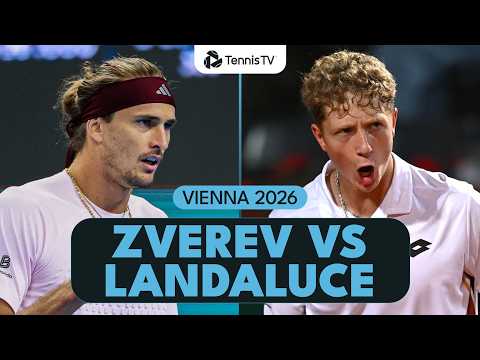
Alexander Zverev vs Martin Landaluce DRAMATIC Match! | Vienna 2026 Highlights

Aryna Sabalenka vs. Elena Rybakina Highlights | 2026 US Open Final
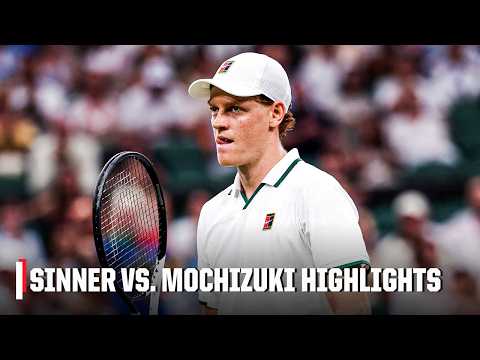
Round of 16: Jannik Sinner vs. Shintaro Mochizuki | Full Highlights | 2026 Wimbledon
Chart basis: counts from Sport on Earth’s own carried data files at build time — verified videos carried for this sport (the verified pool: sport-videos.json + the desk league pools), news items carried (news.json), and league pages carried (desk.json). No external or estimated figures.
The filter sorts the Review Room embeds and the picture cards above by the keywords in their carried titles (review / analysis / recap and similar, or highlights). It runs entirely in your browser — nothing is sent anywhere.
Hall of Fame
International Tennis Hall of Fame
Newport, Rhode Island, United States
271 inductees — every name on the hall's published list, grouped by class year.
All 271 inductees by class year
1955 — Oliver Campbell (Player) · Joseph Clark (Player) · James Dwight (Player) · Richard Sears (Player) · Henry Slocum (Player) · Malcolm Whitman (Player) · Robert Wrenn (Player)
1956 — William Clothier (Player) · Dwight F. Davis (Player) · William Larned (Player) · May Sutton (Player) · Holcombe Ward (Player) · Beals Wright (Player)
1957 — Mary Browne (Player) · Hazel Hotchkiss Wightman (Player) · Maurice McLoughlin (Player) · R. Norris Williams (Player)
1958 — Maud Barger-Wallach (Player) · Molla Bjurstedt Mallory (Player) · Bill Johnston (Player) · Robert Lindley Murray (Master Player)
1959 — Bill Tilden (Player) · Helen Wills (Player)
1961 — Malcolm Greene Chace (Player) · Fred Alexander (Player) · Harold Hackett (Player) · Francis Hunter (Player) · Vincent Richards (Player)
1962 — John Doeg (Player) · Helen Jacobs (Player) · Ellsworth Vines (Player)
1963 — Wilmer Allison (Player) · Sarah Palfrey (Player) · John Van Ryn (Player) · Julian Myrick (Contributor)
1964 — Don Budge (Player) · George Lott (Player) · Alice Marble (Player) · Frank Shields (Player) · Sidney Wood (Player) · George Adee (Contributor)
1965 — Pauline Betz (Player) · Ellen Hansell (Player) · Don McNeill (Recent Player) · Watson Washburn (Player) · Jimmy Van Alen (Contributor)
1966 — Joe Hunt (Player) · Frank Parker (Player) · Theodore Pell (Master Player) · Ted Schroeder (Player)
1967 — Louise Brough (Player) · Margaret Osborne duPont (Recent Player) · Bobby Riggs (Player) · Bill Talbert (Player)
1968 — Maureen Connolly (Player) · Pancho Gonzales (Player) · Jack Kramer (Player) · Eleonora Sears (Master Player) · Allison Danzig (Contributor)
1969 — Karl Behr (Player) · Chuck Garland (Master Player) · Doris Hart (Player) · Art Larsen (Player) · Marie Wagner (Master Player)
1970 — Shirley Fry (Player) · Clarence Griffin (Master Player) · Tony Trabert (Recent Player) · Perry T. Jones (Contributor)
1971 — Althea Gibson (Player) · Elisabeth Moore (Master Player) · Vic Seixas (Recent Player) · Arthur Nielsen (Contributor)
1972 — Bryan Grant (Master Player) · Gardnar Mulloy (Recent Player) · Elizabeth Ryan (Master Player)
1973 — Darlene Hard (Player) · Gene Mako (Master Player) · Alastair Martin (Contributor)
1974 — Juliette Atkinson (Player) · Bob Falkenburg (Player) · Frederick Hovey (Master Player) · Bertha Townsend (Master Player)
1975 — Fred Perry (Master Player) · Ellen Roosevelt (Master Player) · Lawrence Baker (Contributor)
1976 — Jean Borotra (Master Player) · Jacques Brugnon (Master Player) · Mabel Cahill (Player) · Henri Cochet (Master Player) · René Lacoste (Master Player) · Dick Savitt (Recent Player)
1977 — Manuel Alonso (Master Player) · Norman Brookes (Master Player) · Betty Nuthall (Master Player) · Budge Patty (Recent Player) · Gottfried von Cramm (Master Player)
1978 — Maria Bueno (Recent Player) · Pierre Etchebaster (Master Player) · Harry Hopman (Master Player) · Suzanne Lenglen (Master Player) · Kathleen McKane Godfree (Master Player) · Anthony Wilding (Master Player)
1979 — Margaret Court (Recent Player) · Jack Crawford (Master Player) · Rafael Osuna (Recent Player) · Frank Sedgman (Master Player) · Gladys Heldman (Contributor) · Al Laney (Contributor) · Mary Ewing Outerbridge (Contributor)
1980 — Laurence Doherty (Player) · Reginald Doherty (Player) · Lew Hoad (Master Player) · Ken Rosewall (Recent Player) · Gustav V of Sweden (Contributor)
1981 — Dorothea Lambert Chambers (Player) · Rod Laver (Recent Player) · William Hester (Contributor)
1982 — Roy Emerson (Recent Player) · Tom Pettitt (Master Player) · William McChesney Martin (Contributor) · Lance Tingay (Contributor)
1983 — Clarence Clark (Master Player) · Lottie Dod (Player) · Jaroslav Drobný (Master Player) · Ernest Renshaw (Master Player) · William Renshaw (Master Player)
1984 — John Bromwich (Master Player) · Neale Fraser (Master Player) · Adrian Quist (Master Player) · Manuel Santana (Recent Player) · Pancho Segura (Master Player)
1985 — Arthur Ashe (Recent Player) · Ann Haydon-Jones (Player) · Fred Stolle (Recent Player)
1986 — Chuck McKinley (Recent Player) · John Newcombe (Recent Player) · Nicola Pietrangeli (Recent Player) · Tony Roche (Recent Player) · Dorothy Round (Master Player) · Ted Tinling (Contributor)
1987 — Björn Borg (Recent Player) · Billie Jean King (Recent Player) · Alex Olmedo (Master Player) · Dennis Ralston (Recent Player) · Stan Smith (Recent Player)
1988 — Evonne Goolagong Cawley (Recent Player)
1989 — Gerald Patterson (Master Player) · Virginia Wade (Recent Player)
1990 — Jan Kodeš (Recent Player) · Joseph Cullman (Contributor)
1991 — Ashley Cooper (Master Player) · Ilie Năstase (Recent Player) · Guillermo Vilas (Recent Player)
1992 — Tracy Austin (Recent Player) · Frew McMillan (Recent Player) · Philippe Chatrier (Contributor)
1993 — Angela Mortimer (Master Player) · Lamar Hunt (Contributor)
1994 — Hana Mandlíková (Recent Player) · Bud Collins (Contributor)
1995 — Chris Evert (Recent Player)
1996 — Rosie Casals (Recent Player) · Dan Maskell (Contributor)
1997 — Bunny Austin (Master Player) · Lesley Turner Bowrey (Master Player) · Walter Clopton Wingfield (Contributor)
1998 — Jimmy Connors (Recent Player) · Herman David (Contributor)
1999 — John McEnroe (Recent Player) · Ken McGregor (Master Player)
2000 — Mal Anderson (Master Player) · Martina Navratilova (Recent Player) · Robert J. Kelleher (Contributor)
2001 — Ivan Lendl (Recent Player) · Mervyn Rose (Master Player)
2002 — Pam Shriver (Recent Player) · Mats Wilander (Recent Player)
2003 — Boris Becker (Recent Player) · Françoise Dürr (Master Player) · Nancy Richey (Master Player) · Brian Tobin (Contributor)
2004 — Dorothy Cheney (Master Player) · Stefan Edberg (Recent Player) · Steffi Graf (Recent Player)
2005 — Jim Courier (Recent Player) · Yannick Noah (Recent Player) · Jana Novotná (Recent Player) · Butch Buchholz (Contributor)
2006 — Arthur Gore (Master Player) · Marion Jones Farquhar (Master Player) · Karel Koželuh (Master Player) · Herbert Lawford (Master Player) · Simonne Mathieu (Master Player) · Hans Nüsslein (Master Player) · Pat Rafter (Recent Player) · Gabriela Sabatini (Recent Player) · Nancye Wynne Bolton (Master Player) · Gianni Clerici (Contributor)
2007 — Sven Davidson (Master Player) · Pete Sampras (Recent Player) · Arantxa Sánchez Vicario (Recent Player) · Russ Adams (Contributor)
2008 — Michael Chang (Recent Player) · Mark McCormack (Contributor) · Gene Scott (Contributor)
2009 — Andrés Gimeno (Master Player) · Monica Seles (Recent Player) · Donald Dell (Contributor) · Robert Walter Johnson (Contributor)
2010 — Owen Davidson (Master Player) · Gigi Fernández (Recent Player) · Todd Woodbridge (Recent Player) · Mark Woodforde (Recent Player) · Natasha Zvereva (Recent Player) · Derek Hardwick (Contributor) · Brad Parks (Contributor)
2011 — Andre Agassi (Recent Player) · Peachy Kellmeyer (Contributor)
2012 — Jennifer Capriati (Recent Player) · Gustavo Kuerten (Recent Player) · Manuel Orantes (Master Player) · Randy Snow (Wheelchair Tennis) · Mike Davies (Contributor)
2013 — Daphne Akhurst (Master Player) · James Anderson (Master Player) · Wilfred Baddeley (Master Player) · Blanche Bingley (Master Player) · Charlotte Cooper (Master Player) · Thelma Coyne Long (Master Player) · Martina Hingis (Recent Player) · Hilde Krahwinkel Sperling (Master Player) · Cliff Drysdale (Contributor) · Charlie Pasarell (Contributor) · Ion Țiriac (Contributor)
2014 — Lindsay Davenport (Recent Player) · Chantal Vandierendonck (Wheelchair Tennis) · John Barrett (Contributor) · Nick Bollettieri (Contributor) · Jane Brown Grimes (Contributor)
2015 — David Hall (Wheelchair Tennis) · Amélie Mauresmo (Recent Player) · Nancy Jeffett (Contributor)
2016 — Justine Henin (Recent Player) · Yvon Petra (Master Player) · Marat Safin (Recent Player) · Margaret Scriven (Master Player)
2017 — Kim Clijsters (Recent Player) · Monique Kalkman (Wheelchair Tennis) · Andy Roddick (Recent Player) · Vic Braden (Contributor) · Steve Flink (Contributor)
2018 — Michael Stich (Recent Player) · Helena Suková (Recent Player)
2019 — Yevgeny Kafelnikov (Recent Player) · Li Na (Recent Player) · Mary Pierce (Recent Player)
2020 — Goran Ivanišević (Recent Player) · Conchita Martínez (Recent Player)
2021 — Lleyton Hewitt (Recent Player) · Original 9 Peaches Bartkowicz Rosie Casals Judy Dalton Julie Heldman Billie Jean King Kerry Melville Kristy Pigeon Nancy Richey Valerie Ziegenfuss (Contributor) · Dennis Van der Meer (Contributor)
2023 — Rick Draney (Wheelchair Tennis) · Esther Vergeer (Wheelchair Tennis)
2024 — Leander Paes (Recent Player) · Vijay Amritraj (Contributor) · Richard Evans (Contributor)
2025 — Bob Bryan (Recent Player) · Mike Bryan (Recent Player) · Maria Sharapova (Recent Player)
2026 — Roger Federer (Recent Player) · Mary Carillo (Contributor)
Source basis: Wikipedia — "List of members of the International Tennis Hall of Fame" (accessed Nov 1, 2026); parsed mechanically from the article’s published table. Material from Wikipedia is used under CC BY-SA 4.0..
Full inductee profiles → 260 of the 271 inductees above carry a full verified profile — biography, induction record and verified video where one exists. The rest are list-only until a biography can be verified the same way.
📖 Tennis — Tactics & Strategy — every entry, plus the arcade strategy, at the foot of this page.
Tennis Arcade — Clear and Drop
An arcade take on Tennis: set the angle, set the power, and land the shuttle in the far court. Five attempts; the closer to the middle, the more it scores. Arcade distances and a training arc — a game in the spirit of the sport, not a simulation of it.
More ways to play Tennis
This page’s own game is the arcade above. Everything else on the site that fits this sport is listed here — and anything borrowed from a similar sport is labelled as that sport’s game, never passed off as this one’s.
- Quiz track — 12 questions on Tennis, drawn from this site's own record for the sport: Quiz Tracks (choose “Tennis”).
- Top Sport on Earth — Tennis is one of the 455 sport cards in the SPORTS deck: play Top Sport on Earth.
- More in this family — Badminton Arcade — Clear and Drop: the game of Badminton, a similar sport in Tennis’s family.
- Everything else the site runs lives on the Games hub.
Sport on Earth Arcade — Tennis games
Click to play — the game loads from the provider only when you press Play (verified to load and play on 2 November 2026). Open a game to play it here, or browse the whole collection in the Sport on Earth Arcade.
Play Tennis Bits
Training by attribute
This sport's demands, broken down by attribute — the attributes it trains, why it demands them, and a sample week built from published coaching sources (general information, not medical advice): Training by Attribute — Tennis.
On screen
5 verified documentaries, films and series about this sport are listed in the site's screen guide: Sport on Screen — Tennis.
Tools for Tennis
The tools on this site that honestly run on Tennis — its own record first, then the site-wide general tools that apply. The full Tennis toolkit prints the ones that do not apply, with the data reason why.
Tools that run on Tennis’s own record
- You Are the Referee — Branching decision trees built from this sport’s own rule-changes dossier, each ruling cited to its rule.
- Signals in the Record — The officials’ signals extracted from the rule dossiers, this sport’s included where its dossier documents them.
- Field Blueprints — A scale diagram of this sport’s playing surface, dimensions as published in the governing laws its dossier cites.
- Venue Profiles — The venue directories the site carries name 185 venues for this sport, with the flagship grounds documented from the structured record.
General tools that also apply
Site-wide tools, not built for Tennis alone: Tournament Planner · My Notebook · The Labs · Design Studio · The Makers’ Bench · Match Day Desk · Play It Near You · Myth-Check Desk · Governing Bodies · Heat & Safety Calculator (WBGT) · Hydration Calculator · Training-Load Planner · Game Clock & Timer · Custom Rulebook Generator · Scout Notes Parser.
Player & referee associations
Players: Professional Tennis Players Association — A player-only association for professional tennis players co-founded by Novak Djokovic and Vasek Pospisil in 2020 to give players an independent voice on issues such as scheduling, compensation and representation; it is not a formally recognised labour union because tennis players are independent contractors.
Officials: ITF Officiating (federation arm) — Tennis officials are certified by the International Tennis Federation, which awards green, white, bronze, silver and gold badges to chair umpires, referees and chief umpires, with bronze, silver and gold as international certifications.
Verified associations for this sport, from the sources listed on the players' associations and referees' associations pages.
Tennis — Tactics & Strategy
Tactics & Strategy — this sport’s book
the racket family’s shared tactics book — the rally-construction craft common to tennis, badminton, table tennis, squash, padel, pickleball and their cousins: depth, width, and the attack on the weaker wing. Each sport’s own signature entries follow the shared book on its page.
12 entries, plus the arcade strategy below. All wording is original coaching-vocabulary prose; nothing is copied from any proprietary playbook.
Depth Before Width
The family’s first law: a shot hit deep pins the opponent to his back line and buys the court in front of him; width attempted from a short ball is a donation. Build the rally deep, then widen it.
When it’s used: Every rally’s foundation, in every racket code.
The sequence
- The first three shots of a neutral rally are hit for depth, at the opponent’s weaker side.
- Width is spent only on a ball that has already pushed him back.
- A short ball received is an invitation: step in and take the court’s front half as your fee.
The Weaker Wing Doctrine
Most players own one wing that defends worse, returns shorter, and breaks down third in long exchanges: the book says to live there — not exclusively, but as the rally’s home address.
When it’s used: The oldest tactic in the family, and still the default at every level.
The sequence
- Probe both wings early and honestly: the scoreboard of the first games is scouting data.
- Four balls to the weaker wing, one to the strong — the ratio keeps the strong side honest.
- When the weaker wing starts camping to protect itself, the strong side is suddenly open: the doctrine’s dividend.
The Change of Direction
The rally is a rhythm until someone breaks it: the player who changes the ball’s direction first, from balance, wins the exchange’s geometry — changing it off balance is how errors are manufactured.
When it’s used: Direction changes are earned by footwork, never by hope.
The sequence
- Change direction off balls you are set for; take the ball early to make the change cheap.
- The first change should move the opponent laterally, not yourself.
- Two changes in a rally is a pattern: the opponent’s feet are now playing your game.
Serve and Return as First Plays
The family’s only closed skills are its first plays: the serve is hit to a called target with a called second shot behind it, and the return is positioned and aimed with the same deliberation — rallies are won before they are rallies.
When it’s used: Treat the first two shots as called plays, because they are the only ones you fully control.
The sequence
- The server’s target is chosen by the returner’s stance, not by habit.
- The returner’s position is an argument: stand where your return’s intention lives.
- The server’s first step after the serve belongs to the called second shot.
The Approach and the Net (Where the Code Has One)
In the net codes (tennis, badminton’s front court, padel, pickleball’s kitchen line), the approach shot is a play: hit deep and down the line, close behind it, and make the passer hit the shot the volleyer has already covered.
When it’s used: Net play is a contract: the approach buys the volley its terms.
The sequence
- Approach down the line so the court’s geometry shrinks for the passer.
- Split-step as the pass is struck — the volleyer’s stillness at contact is his range.
- The first volley is played deep and safe; the second is the kill. Patience at the net is a system.
The Lob and the Drop (the Front-Back Seesaw)
The drop pulls the opponent forward; the lob sends him back; played in alternation they saw the opponent’s legs apart — the family’s gentlest and cruellest combination.
When it’s used: Every racket code has its version because every court’s geometry does.
The sequence
- The drop is disguised by the same preparation as the deep shot until the last instant.
- The lob answers the net-rusher who has crept too close — its height is its safety.
- After two seesaws, the next deep ball is suddenly a winner: the legs remember.
Spin and Pace as Deception
The ball’s flight is information you may falsify: heavy spin that looks flat, the slice that floats and skids, the change of pace that arrives a half-beat off the swing’s promise.
When it’s used: Deception in the family is physical, not theatrical — it lives in the ball.
The sequence
- Vary spin on the same trajectory: the opponent’s feet are set by the ball’s look.
- The change of pace is aimed at the opponent’s rhythm, usually after three fast balls.
- Your own errors price the deception: a falsified ball you cannot control is a rumour about yourself.
The Body Shot (at the Hip)
A ball driven at the opponent’s hip or dominant-side elbow jams both wings at once: he must choose a side in the time the ball needs to arrive, and either choice is late.
When it’s used: The family’s equaliser against bigger, faster opponents.
The sequence
- The body ball is aimed at the space the racket must cross, not at the player.
- At the net it is the percentage answer to a close volleyer.
- Follow it forward: the jammed reply is short by construction.
Defending from the Corners (the Recovery System)
Defence is a system of anticipation and recovery position: after every shot, recover toward the bisector of the opponent’s possible angles — the geometry of his next shot draws your home position.
When it’s used: The recovery step is the rally’s invisible shot; champions take it, club players admire the ball instead.
The sequence
- Recover to the bisector, not to the centre mark: the ball’s position writes the map.
- From full stretch, the reply is played high and deep — defence buys time with height.
- One neutral ball resets the rally: defence’s whole ambition is that one ball.
The Tiebreak and the Big Points
Scoreboard points are not equal: the family’s closing craft is pattern discipline — your best patterns, served and returned to the scouting you did in the first games, with nothing new attempted at 6-6.
When it’s used: Big points are played from the book’s first pages, not its last.
The sequence
- Serve to the weaker wing on the points that carry games; the exotic serve is for 4-1.
- Return position tightens on break point: the percentages move, the doctrine doesn’t.
- The player who changes his patterns when ahead has misunderstood what got him ahead.
Serve Plus One
Tennis’s modern doctrine names the server’s first groundstroke the ’+1’: the serve is hit not for the ace but for the specific weak return the called +1 is waiting to punish.
When it’s used: The serve is the set-up; the +1 is the play.
The sequence
- The wide serve’s +1 is the open-court ball; the body serve’s +1 is the ball at the returner’s feet.
- The server’s split-step is taken toward the +1’s expected address.
- Second serves have +1s too — the doctrine survives the serve’s smaller ambitions.
The Return Position Game
Returners choose depth as an argument: deep to neutralise the big server and take the ball late, in tight to rob the second server of time. The stance is a claim about the rally’s first three balls.
When it’s used: The return starts before the toss; position is its first shot.
The sequence
- Against pace, depth buys the swing’s time — the block return is a play, not a surrender.
- Against the second serve, step in and take the ball at its rise: time is the break point’s currency.
- Vary the stance by the server’s patterns, announced in the scouting, not by mood.
Playing the Game
Playing the Game — Clear and Drop
The arcade cell · strategy
This page’s arcade cell: launch the shuttle at the far court from the back tramline · 44 m (arcade scale). Angle, power, launch — five attempts, and the cell keeps your best.
When it’s used: On this page, in the Play section — and its strategy is the same craft as the book above it, miniaturised.
The sequence
- Set the angle first. The target is the far court, the back tramline · 44 m (arcade scale) — the angle is chosen for where the shuttle must finish, not where it starts.
- Set the power second, on the sweeping meter: the scoring zone is a band, not a point, so aim for the middle of the band you can repeat, not the edge you can imagine.
- Launch, and read the result like a rangefinder: every attempt tells you the cell’s wind — there is none, so a miss is a measurement error, and it is yours to correct on the next attempt.
- You have 5 attempts. Treat it like a rally ball: the winning launch is the one placed where a return would be hardest, deep and wide.
- The cell’s own honesty line applies: arcade distances; a game, not a simulation.
Part of the Sport on Earth Playbooks — a book for every sport and every game on the site.
Behind the Play
Behind the Play · Full treatment — from this sport’s own record
Players hit a ball over a net into the opponent’s court. Win points, games, and sets on grass, clay, or hard courts.
Behind the Play takes the decisive actions of Tennis apart: how the scoring play is built, which patterns the players are really running, and which rules remade the play into its modern shape.
The shape of the play
Tennis changed its scoring once, famously, in 1970 — and has spent fifty years nibbling at the edges: tiebreaks for final sets, clocks for servers, cameras for line judges. The nibbles added up to a different sport’s rhythm.
The patterns behind the play
- Depth beats power: a deep ball pins the opponent back and opens the court; short balls invite attack.
- Hit to the open court — then recover to the middle: every shot changes where the next one should go.
- Serve plus one: the first two shots are rehearsed as a pair, not improvised one at a time.
- Error management: most points at most levels end in errors, so consistency is a strategy, not a lack of ambition.
- Take the ball early: meeting the ball on the rise steals the opponent’s recovery time and shortens their swing.
- Patterns over winners: rallies are built in rehearsed sequences — serve wide, next ball open court — that manufacture the short ball rather than hoping for it.
Rules that remade the play
The Tiebreak (1970 (US Open)). Jimmy Van Alen’s tiebreak — first to 7 points, win by two, at 6 games all — was adopted by the US Open in 1970 (its first version ended 5-all in a sudden-death point) and by Wimbledon in 1971 (initially at 8–8). The scoring revolutionised the sport’s structure without touching its points.
The tiebreak is now the sport’s pressure sacrament — entire reputations (and a ranking-stat industry) live in it — and its final-set form has been harmonised worldwide (next entry). Traditional advantage final sets survive only in legend.
The Final-Set Tiebreak, Harmonised (Wimbledon 2019; all four Slams 2022). Wimbledon adopted a tiebreak at 12–12 in 2019; in 2022 all four majors standardised on a 10-point tiebreak at 6–6 in the final set. No more 70–68.
Marathon final sets are now museum pieces; the Isner–Mahut plaque at Wimbledon commemorates a record that can never be broken, because the rule that permitted it no longer exists.
Hawk-Eye and the Challenge System — Then Live Electronic Line Calling (challenges 2006; live ELC from 2021, tour-wide ATP 2025). Hawk-Eye ball-tracking was adopted with a player challenge system (three unsuccessful challenges per set) at the 2006 Nasdaq-100 Open and that year’s US Open. The endgame removed the humans entirely: the Australian Open went to live electronic line calling (no line judges, calls announced by the system) in 2021, Wimbledon replaced its line judges with live ELC in 2025, and the ATP adopted it tour-wide the same year.
A 145-year-old Wimbledon sight — the line judge’s squat and call — ended in 2025. Players now argue with no one; the challenge drama that filled two decades of highlights is itself history, replaced by total, unarguable machine adjudication.
From this page’s Rule Changes & Named Rules dossier, where every entry names its source.
The moves in the book
- Rally
- A continuous exchange of shots from the serve until the point is decided.
- Serve
- The shot that starts each point, delivered under code-specific rules from a set position.
- Return
- The receiver’s first shot answering the serve.
- Forehand
- A shot struck on the dominant side of the body, palm leading for most grips.
- Backhand
- A shot struck on the non-dominant side of the body, back of the hand leading.
Source basis: this sport’s carried record on this page (verified record, rule-changes dossier, history datasets) and the play patterns of its family as written in the site’s guides. Nothing here is invented.