Sport on Earth › Sports
Sport on Earth · Sport
American Football
How it’s played
Eleven a side; advance the ball 10 yards in four downs or score touchdowns and field goals.
History
Evolved from rugby in US colleges in the 1870s; the NFL formed in 1920; first Super Bowl in 1967.
The pro scene
Professional: NFL, plus the CFL in Canada and developmental leagues.
College and school: NCAA football is huge and acts as the main NFL pipeline; high school football is a major local institution.
Grassroots and other: Pop Warner, flag football, and recreational leagues.
Season calendar
NFL from September to the Super Bowl in February; college season runs August to January.
Dates above are recurring patterns, not confirmed fixtures.
League histories
- NFL — founded 1920. The premier professional American football league in the United States
- NCAA FBS — founded 1906. The highest level of college football in the United States
- AAFC — All-America Football Conference — 1946–1949, defunct. Its history of record is kept in the Lost Sports archive.
- AFL — American Football League — 1960–1969, defunct. Its history of record is kept in the Lost Sports archive.
- USFL — United States Football League — 1983–1985, defunct. Its history of record is kept in the Lost Sports archive.
- XFL (2001) — 2001, defunct. Its history of record is kept in the Lost Sports archive.
- XFL (2020–2023) — 2020–2023, defunct. Its history of record is kept in the Lost Sports archive.
- USFL (2022 revival) — 2022–2023, defunct. Its history of record is kept in the Lost Sports archive.
Leagues
NFL Desk
NFL
34 team views · 25 pieces · 12 videos
NCAA FBS Desk
NCAA FBS
671 team views · 8 pieces · 12 videos
News Desk
News stories from around the world, gathered and sourced by the Sport on Earth desk.
American Football on the program for Super Bowl LXI
American Football is carried on the program for Super Bowl LXI, 14 February 2027, in SoFi Stadium, Los Angeles. Eleven a side; advance the ball 10 yards in four downs or score touchdowns and field goals. The desk carries the sport’s full record — guide, calendar and history — on its own page.
NFL · Nov 2026
Columns & Stories
Written by Sport on Earth’s journalists — columns, features and interviews from the desk.
NFL Desk · Column
In Defense of the Unbreakable: NFL career passing yards leaders
The position of this column: Tom Brady’s place atop the nfl career passing yards leaders table is the most secure record in its sport, and the table itself — five names, counted from the record this site carries — is the proof. Tom Brady: 89,214 yards. The nearest challenger, Drew Brees, is 8,856 behind. Gaps like that are not closed by a good season; they are closed by a great career, and great careers are rationed by time.
November 2, 2026
NFL Desk · Column
In Defense of the Unbreakable: NFL career sacks leaders
The position of this column: Bruce Smith’s place atop the nfl career sacks leaders table is the most secure record in its sport, and the table itself — five names, counted from the record this site carries — is the proof. Bruce Smith: 200 sacks. The nearest challenger, Reggie White, is 2 behind. Gaps like that are not closed by a good season; they are closed by a great career, and great careers are rationed by time.
November 2, 2026
NFL Desk · Column
The Roll Is the Argument: What Super Bowl champions Really Tells Us
Here is the column’s position, stated plainly: the super bowl champions roll — 60 editions, 1966 to 2025, counted from the record this site carries — is a better historian than any panel of experts. Panels argue about eras. The roll just keeps score, and its score says Pittsburgh Steelers won 6 of those editions. 10.0% of a competition’s entire history is not a hot streak; it is a structural fact.
November 2, 2026
NFL Desk · Column
Who Gets In, Who Waits: The College Football Hall of Fame Standard
The College Football Hall of Fame roll this site carries holds 1,360 names, inducted from 1888 to 2026. Every hall of fame is really two institutions: the one that inducts, and the one that makes the inducted argue about the standard. This column is about the second one.
November 2, 2026
NFL Desk · Column
Who Gets In, Who Waits: The Pro Football Hall of Fame Standard
The Pro Football Hall of Fame roll this site carries holds 387 names, inducted from 1963 to 2026. Every hall of fame is really two institutions: the one that inducts, and the one that makes the inducted argue about the standard. This column is about the second one.
November 2, 2026
NFL Desk · Column
Institutions Outlive Seasons: A Column on the NFL
A column about a league should begin where the league began: Founded September 17, 1920 in Canton, Ohio as the American Professional Football Association; renamed the NFL in 1922. The NFL — The premier professional American football league in the United States — has since been many things, but it has never stopped being that founding decision, renewed every season.
November 2, 2026
NFL Desk · Column
The NFL Notebook: A League in Its Own Image
Every league desk keeps a notebook that is not really about results. This is ours for the NFL. The census record this site carries describes its sport in one line — Eleven a side; advance the ball 10 yards in four downs or score touchdowns and field goals. — and files it under Ball & goal, in the goal family of sports. One line is a discipline: before the desk argues about a league, it has to say what the league is.
November 2, 2026
NFL Desk · Column
What the NFL Record Asks of Its Next Season
A new season of the NFL makes three quiet demands, and the record — not the hype — names them. It asks about the leader table’s slow arithmetic: Tom Brady at 89,214 yards, a total no single season will move; the hall’s next class: the College Football Hall of Fame roll stands at 1,360 names, its most recent from 2026; the institution’s next chapter: a league founded in 1920 that has already survived every previous version of this argument.
November 2, 2026
NFL Desk · Column
The Whole File: A Column on American Football
A column about an entire sport, which is an immodest assignment, so begin with the file: this desk covers American Football through 2 league desks, 17 news items and the rolls, halls and histories this site carries for it. The file is the column’s subject — what a sport looks like when you keep all of it in one place.
November 2, 2026
NFL Desk · Feature
Tom Brady and the Number That Will Not Move: NFL career passing yards leaders
The nfl career passing yards leaders table this site carries is five names long, and the first name is the story: Tom Brady, with 89,214 yards. Second is Drew Brees at 80,358 — a gap of 8,856 (11.0% clear of the field).
November 2, 2026
NFL Desk · Feature
Bruce Smith and the Number That Will Not Move: NFL career sacks leaders
The nfl career sacks leaders table this site carries is five names long, and the first name is the story: Bruce Smith, with 200 sacks. Second is Reggie White at 198 — a gap of 2 (1.0% clear of the field).
November 2, 2026
NFL Desk · Feature
The Long Roll: Super Bowl champions and the Weight of Pittsburgh Steelers
Every roll of honor is an argument about time, and the super bowl champions roll — 60 editions counted from the record this site carries, running from 1966 to 2025 — argues louder than most. At the top of it sits Pittsburgh Steelers with 6 titles, 10.0% of every edition ever decided. The rest of the roll is the story of everyone who ever tried to move them.
November 2, 2026
NFL Desk · Feature
The First Class: College Football Hall of Fame and the 1888 Inductees
Every hall of fame is founded twice: once when the building opens, and once when the first class walks in. For the College Football Hall of Fame in Atlanta, Georgia, United States, that moment came in 1888, when 1 names were inducted together: Walter Camp. The roll this site carries now runs to 1,360 inductees — and it still begins with them.
November 2, 2026
NFL Desk · Feature
The First Class: Pro Football Hall of Fame and the 1963 Inductees
Every hall of fame is founded twice: once when the building opens, and once when the first class walks in. For the Pro Football Hall of Fame in Canton, Ohio, United States, that moment came in 1963, when 17 names were inducted together: Sammy Baugh, Bert Bell, Johnny Blood, Joseph Carr, Dutch Clark, Harold "Red" Grange. The roll this site carries now runs to 387 inductees — and it still begins with them.
November 2, 2026
NFL Desk · Feature
Founded on a Line in the Record: The NFL Story
The NFL file this site carries opens with a single line: Founded September 17, 1920 in Canton, Ohio as the American Professional Football Association; renamed the NFL in 1922. Everything else about the league — its identity as The premier professional American football league in the United States — flows from that founding and what it absorbed along the way: American Professional Football Association (APFA, 1920-1921); American Football League (AFL), merged in 1970.
November 2, 2026
NFL Desk · Feature
By the Decade: Who Owned the Super Bowl champions, Ten Years at a Time
Read the super bowl champions roll by decade instead of by champion and a different history appears. The roll this site carries runs 60 editions from 1966 to 2025, across 7 decades with a clear leader — and the decade table’s most frequent owner is New England Patriots, who led 2 of those decades.
November 3, 2026
NFL Desk · Feature
The Gap at the Top: Bruce Smith and the NFL career sacks leaders Table
Leader tables are usually read for the name at the top. Read the nfl career sacks leaders table this site carries for the distance instead: Bruce Smith leads with 200 sacks; second is Reggie White at 198 — a gap of 2 sacks, 1.0% clear of the nearest career ever assembled in the category.
November 19, 2026
NFL Desk · Interview — the Sport on Earth desk, in its own words
Five Questions With the NFL Desk: The NFL career passing yards leaders Table
The Sport on Earth NFL Desk takes questions on the nfl career passing yards leaders table. The desk answers in its own words — no player, coach or official is quoted, and nothing here is presented as anyone else’s statement. The table counts the five greatest career totals in yards that the record carries.
NFL Desk · Interview — the Sport on Earth desk, in its own words
Five Questions With the NFL Desk: The NFL career sacks leaders Table
The Sport on Earth NFL Desk takes questions on the nfl career sacks leaders table. The desk answers in its own words — no player, coach or official is quoted, and nothing here is presented as anyone else’s statement. The table counts the five greatest career totals in sacks that the record carries.
NFL Desk · Interview — the Sport on Earth desk, in its own words
Five Questions With the NFL Desk: The Super Bowl champions Roll
The Sport on Earth NFL Desk takes questions on the super bowl champions roll. The desk answers in its own words — no player, coach or official is quoted, and nothing here is presented as anyone else’s statement. 60 editions, 1966–2025; most titles Pittsburgh Steelers (6); 23 distinct winners.
NFL Desk · Interview — the Sport on Earth desk, in its own words
Five Questions With the NFL Desk: Inside the College Football Hall of Fame
The Sport on Earth NFL Desk takes questions on the College Football Hall of Fame. The desk answers in its own words — no player, coach or official is quoted, and nothing here is presented as anyone else’s statement. Every figure below is counted from the hall’s own roll as this site carries it.
NFL Desk · Interview — the Sport on Earth desk, in its own words
Five Questions With the NFL Desk: Inside the Pro Football Hall of Fame
The Sport on Earth NFL Desk takes questions on the Pro Football Hall of Fame. The desk answers in its own words — no player, coach or official is quoted, and nothing here is presented as anyone else’s statement. Every figure below is counted from the hall’s own roll as this site carries it.
NFL Desk · Interview — the Sport on Earth desk, in its own words
Five Questions With the NFL Desk: The NFL File
The Sport on Earth NFL Desk takes questions on the NFL file. The desk answers in its own words — no player, coach or official is quoted, and nothing here is presented as anyone else’s statement. The answers draw on the league history this site carries.
NFL Desk · Interview — the Sport on Earth desk, in its own words
Five Questions With the NFL Desk: The NFL Briefing
The Sport on Earth NFL Desk takes questions on the NFL. The desk answers in its own words — no player, coach or official is quoted, and nothing here is presented as anyone else’s statement. A standing briefing, refreshed from the files this site carries.
NFL Desk · Interview — the Sport on Earth desk, in its own words
Five Questions With the NFL Desk: NFL by the Numbers
The Sport on Earth NFL Desk takes questions on the NFL in numbers. The desk answers in its own words — no player, coach or official is quoted, and nothing here is presented as anyone else’s statement. Every answer below is a count taken from the site’s own files.
NCAA FBS Desk · Column
Blowing a 21-Point Lead and Winning Anyway
The feature on this page has the strangest shape a win can take. No. 19 Texas beat No. 7 Ole Miss 34–27 in Austin after blowing a 21-point lead: Arch Manning threw a touchdown pass and ran for two scores, including the fourth-quarter tiebreaker, and a team that had just lost back-to-back games to unranked opponents survived itself. The poll voters rewarded the survival, not the collapse — Texas made the biggest jump in the AP poll, to No. 11, while Miami kept the top spot after five ranked teams lost.
November 1, 2026
NCAA FBS Desk · Column
Institutions Outlive Seasons: A Column on the NCAA FBS
A column about a league should begin where the league began: NCAA founded March 31, 1906 as the IAAUS; top football tier split as Division I-A in 1978 and renamed Football Bowl Subdivision in 2006. The NCAA FBS — The highest level of college football in the United States — has since been many things, but it has never stopped being that founding decision, renewed every season.
November 2, 2026
NCAA FBS Desk · Column
The NCAA FBS Notebook: A League in Its Own Image
Every league desk keeps a notebook that is not really about results. This is ours for the NCAA FBS. The census record this site carries describes its sport in one line — Eleven a side; advance the ball 10 yards in four downs or score touchdowns and field goals. — and files it under Ball & goal, in the goal family of sports. One line is a discipline: before the desk argues about a league, it has to say what the league is.
November 2, 2026
NCAA FBS Desk · Column
What the NCAA FBS Record Asks of Its Next Season
A new season of the NCAA FBS makes three quiet demands, and the record — not the hype — names them. It asks about the hall’s next class: the College Football Hall of Fame roll stands at 1,360 names, its most recent from 2026; the institution’s next chapter: a league founded in 1906 that has already survived every previous version of this argument.
November 2, 2026
NCAA FBS Desk · Feature
Founded on a Line in the Record: The NCAA FBS Story
The NCAA FBS file this site carries opens with a single line: NCAA founded March 31, 1906 as the IAAUS; top football tier split as Division I-A in 1978 and renamed Football Bowl Subdivision in 2006. Everything else about the league — its identity as The highest level of college football in the United States — flows from that founding and what it absorbed along the way: Intercollegiate Athletic Association of the United States (IAAUS); Division I-A (1978-2006).
November 2, 2026
NCAA FBS Desk · Feature
Counting from 1906: The NCAA FBS at 120
The NCAA FBS file this site carries opens with a single line: NCAA founded March 31, 1906 as the IAAUS; top football tier split as Division I-A in 1978 and renamed Football Bowl Subdivision in 2006 In 2026 that founding sits 120 years back — 120 years of seasons, champions and arguments, all of them interest on one decision.
November 11, 2026
NCAA FBS Desk · Interview — the Sport on Earth desk, in its own words
Five Questions With the NCAA FBS Desk: The NCAA FBS Briefing
The Sport on Earth NCAA FBS Desk takes questions on the NCAA FBS. The desk answers in its own words — no player, coach or official is quoted, and nothing here is presented as anyone else’s statement. A standing briefing, refreshed from the files this site carries.
NCAA FBS Desk · Interview — the Sport on Earth desk, in its own words
Five Questions With the NCAA FBS Desk: NCAA FBS by the Numbers
The Sport on Earth NCAA FBS Desk takes questions on the NCAA FBS in numbers. The desk answers in its own words — no player, coach or official is quoted, and nothing here is presented as anyone else’s statement. Every answer below is a count taken from the site’s own files.
Writing Desk
Everything the desk has published for American Football, organised by section.
News
From the News Desk · all news, every sport →
Stories
- Tom Brady and the Number That Will Not Move: NFL career passing yards leaders NFL Desk · November 2, 2026
- Bruce Smith and the Number That Will Not Move: NFL career sacks leaders NFL Desk · November 2, 2026
- The Long Roll: Super Bowl champions and the Weight of Pittsburgh Steelers NFL Desk · November 2, 2026
- The First Class: College Football Hall of Fame and the 1888 Inductees NFL Desk · November 2, 2026
- The First Class: Pro Football Hall of Fame and the 1963 Inductees NFL Desk · November 2, 2026
- Founded on a Line in the Record: The NFL Story NFL Desk · November 2, 2026
- By the Decade: Who Owned the Super Bowl champions, Ten Years at a Time NFL Desk · November 3, 2026
- The Gap at the Top: Bruce Smith and the NFL career sacks leaders Table NFL Desk · November 19, 2026
- Founded on a Line in the Record: The NCAA FBS Story NCAA FBS Desk · November 2, 2026
- Counting from 1906: The NCAA FBS at 120 NCAA FBS Desk · November 11, 2026
All stories across every sport →
Columns
- In Defense of the Unbreakable: NFL career passing yards leaders NFL Desk · November 2, 2026
- In Defense of the Unbreakable: NFL career sacks leaders NFL Desk · November 2, 2026
- The Roll Is the Argument: What Super Bowl champions Really Tells Us NFL Desk · November 2, 2026
- Who Gets In, Who Waits: The College Football Hall of Fame Standard NFL Desk · November 2, 2026
- Who Gets In, Who Waits: The Pro Football Hall of Fame Standard NFL Desk · November 2, 2026
- Institutions Outlive Seasons: A Column on the NFL NFL Desk · November 2, 2026
- The NFL Notebook: A League in Its Own Image NFL Desk · November 2, 2026
- What the NFL Record Asks of Its Next Season NFL Desk · November 2, 2026
- The Whole File: A Column on American Football NFL Desk · November 2, 2026
- Blowing a 21-Point Lead and Winning Anyway NCAA FBS Desk · November 1, 2026
- Institutions Outlive Seasons: A Column on the NCAA FBS NCAA FBS Desk · November 2, 2026
- The NCAA FBS Notebook: A League in Its Own Image NCAA FBS Desk · November 2, 2026
- What the NCAA FBS Record Asks of Its Next Season NCAA FBS Desk · November 2, 2026
All columns across every sport →
Interviews
- Five Questions With the NFL Desk: The NFL career passing yards leaders Table NFL Desk
- Five Questions With the NFL Desk: The NFL career sacks leaders Table NFL Desk
- Five Questions With the NFL Desk: The Super Bowl champions Roll NFL Desk
- Five Questions With the NFL Desk: Inside the College Football Hall of Fame NFL Desk
- Five Questions With the NFL Desk: Inside the Pro Football Hall of Fame NFL Desk
- Five Questions With the NFL Desk: The NFL File NFL Desk
- Five Questions With the NFL Desk: The NFL Briefing NFL Desk
- Five Questions With the NFL Desk: NFL by the Numbers NFL Desk
- Five Questions With the NCAA FBS Desk: The NCAA FBS Briefing NCAA FBS Desk
- Five Questions With the NCAA FBS Desk: NCAA FBS by the Numbers NCAA FBS Desk
Shows
Sport on Earth’s daily and weekly video shows for American Football — every episode, newest first.
Football A Day Daily show
Episode 11 — Rams run wild on Thanksgiving Eve — Blake Corum’s 184 yards power Los Angeles past Green Bay 26-13 for a fifth straight win
Ep. 11 — Thursday, November 26, 2026 · 3:39
Episode 10 — Steelers bench Aaron Rodgers for Mason Rudolph — and Bellisari’s four touchdowns rally Miami (Ohio) past Western Michigan 28-24
Ep. 10 — Wednesday, November 25, 2026 · 3:39
Episode 9 — Daniels rallies Washington at the death — Commanders stun the Bengals 22-20 on Monday night
Ep. 9 — Tuesday, November 24, 2026 · 2:51
Episode 8 — Cowboys hang 51 on Tennessee — Dak Prescott throws four touchdowns in a Sunday shootout
Ep. 8 — Monday, November 23, 2026 · 3:23
Episode 7 — Nebraska stuns Ohio State 31-28 — and a Saturday of upsets across college football
Ep. 7 — Sunday, November 22, 2026 · 3:16
Episode 6 — Texans rout the Colts 26-3 — and Oregon and UCF headline Friday night
Ep. 6 — Saturday, November 21, 2026 · 3:42
Episode 5 — Texans rout the Colts 26-3 — and Indianapolis changes quarterbacks
Ep. 5 — Friday, November 20, 2026 · 2:47
Episode 4 — Buffalo rolls Central Michigan 40-21 — sixth straight win for the Bulls
Ep. 4 — Thursday, November 19, 2026 · 3:01
Episode 3 — Ohio survives Ball State 35-28 — and the new C-F-P rankings are out
Ep. 3 — Wednesday, November 18, 2026 · 3:36
Episode 2 — Chargers stun the Ravens 23-20 for their first win of the season
Ep. 2 — Tuesday, November 17, 2026 · 3:07
Episode 1 — Elks win the 113th Grey Cup — and the 49ers outlast the Cowboys 46-40
Ep. 1 — Monday, November 16, 2026 · 4:38
Videos
Every embed below was verified playable before listing — the network’s standing rule.
Trey McBride
Trey McBride Highlights | 2025 - 2026 NFL Season - Cardinals
#1 on the board · TE · Arizona Cardinals
Jeremiah Smith
Jeremiah Smith 2026 Highlights | The BEST Player in College Football
#1 on the board · WR · Ohio State
Colin Simmons
Colin Simmons 2025 Season College Football Highlights💥| Texas EDGE | NFL Draft Film
#2 on the board · Edge · Texas
Jaxon Smith-Njigba
Jaxon Smith-Njigba Highlights | Best WR in the NFL
#3 on the board · WR · Seattle Seahawks
Leonard Moore
Leonard Moore College Football Highlights💥| Notre Dame Cornerback | NFL Draft Film
#3 on the board · CB · Notre Dame
View all videos (48)Show fewer videos
Dylan Stewart
Dylan Stewart | 2025 Highlights
#4 on the board · Edge · South Carolina
Carson Schwesinger
Carson Schwesinger Week 6 Highlights | NFL 2026 - Cleveland Browns
#5 on the board · LB · Cleveland Browns
Drew Mestemaker
Drew Mestemaker 2026 CFB Early Season Highlights
#5 on the board · QB · Oklahoma State
Carolina Panthers vs. Green Bay Packers TNF | Game Highlights 3rd-Qtr | Week 8 NFL 2026
YouTube · Lý Việt Vlog
Packers vs. Panthers Oct 29, 2026 | FULL GAME Highlights | Week 8 NFL 2026
YouTube · Lý Việt Vlog
Carolina Panthers vs. Green Bay Packers TNF | Game Highlights 1st-Qtr | Week 8 NFL 2026
YouTube · Lý Việt Vlog
Oklahoma vs Mississippi State College Football Highlights Full Game 2026
YouTube · College Basketball
Cowboys vs. Cardinals Nov 1, 2026 | FULL GAME Highlights | Week 8 NFL 2026
YouTube · Lý Việt Vlog
Mississippi State Bulldogs vs. Texas Longhorns | Full Game Highlights | ESPN College Football
YouTube · ESPN College Football
Lions vs. Vikings Nov 1, 2026 | FULL GAME Highlights | Week 8 NFL 2026
YouTube · Lý Việt Vlog
Miami Hurricanes vs. North Carolina Tar Heels | Full Game Highlights | ESPN College Football
YouTube · ESPN College Football
Notre Dame Fighting Irish vs. Navy Midshipmen | Full Game Highlights | ESPN College Football
YouTube · ESPN College Football
FULL ESPN College Football Final | Week 9: OSU stunning loss at USC, Utah win, Georgia beat Florida
YouTube · Chiến An Giang
CFP National Championship: Miami Hurricanes vs. Indiana Hoosiers | Full Game Highlights | ESPN CFB
YouTube · ESPN College Football and 2 more
Fanatics Flag Football Classic Championship: Wildcats vs. Team USA Full Game 🏈 FOX Sports
YouTube · FOX Sports and NFL on FOX
CFP National Championship: Michigan Wolverines vs. Washington Huskies | Full Game Highlights
YouTube · ESPN College Football and CFP
Durham vs UWE | BUCS Touchdown Tuesday American Football Championship Final
YouTube · BUCS
Stuttgart Surge vs. Vienna Vikings - Highlights | Championship Game | Season 2025 | Great Touchdowns
YouTube · European League of Football
Clemson vs. LSU: CFP National Championship | College Football Highlights
YouTube · ESPN
DJ & KYRIE SUPERBOWL TACKLE FOOTBALL CHAMPIONSHIP GAME!
YouTube · The Prince Family Clubhouse
UNITED STATES X AUSTRIA | MEN’S FINAL | IFAF WORLD FLAG CHAMPIONSHIP 2024 | Game Highlights
YouTube · FABR Highlights
EXTENDED HIGHLIGHTS: Indiana wins 2026 CFP National Championship vs. Miami 🏆 | ESPN College Football
YouTube · ESPN College Football
2020 National Championship: LSU Tigers vs. Clemson Tigers | January 13, 2020 | ESPN College Football
YouTube · ESPN College Football
Biggest College Football Hits Of All Time
YouTube · Wells
Craziest "Trick Plays" in College Football History
YouTube · Highlight Reel
Never Meant: The Story of American Football
YouTube · The Music Narrative
1869 to 1890: How American Football Became (The Game You Love Today) - College Football History
YouTube · Corn Nation
The History of American Football (They Changed EMO)
YouTube · Never Normal
The Complete History Of College Football | Documentary
YouTube · Rex Production
A Brief History of College Football
YouTube · EMPIRE
Florida Gators vs. Georgia Bulldogs | Full Game Highlights | ESPN College Football
YouTube · ESPN College Football
Auburn Tigers vs. Ole Miss Rebels l Full Game Highlights l ESPN College Football
YouTube · ESPN College Football
A Beginner’s Guide to American Football | NFL UK
YouTube · NFL UK & Ireland
SPORTS 101 // Guide to American Football
YouTube · Lurks Lessons
How to Play American Football
YouTube · wikiHow
SPORTS 101 // Guide to American Football Positions
YouTube · Lurks Lessons
How to be a Smarter Football Fan
YouTube · Thinking Football
Nickelodeon’s Guide to Football! 🏈 Football 101
YouTube · Nickelodeon
How to Play American football - Fun Guide for Kids
YouTube · PIP Academy
Guide to American Football - SIMPLY EXPLAINED FOR BEGINNERS!
YouTube · Simple Sports
A Clueless European’s Guide to the NFL (American Football) 🏈
YouTube · The Fat Asian
American Football 101 for the Girls! - Rules, Positions & Game Basics Explained!
YouTube · Hoops for Hotties
American Football Rules : How to play American Football : Rules of American Football EXPLAINED
YouTube · Mr.Animate
Everything for American Football
Pages
On this page
- How it’s played
- History
- The pro scene
- Season calendar
- League histories
- Leagues
- News Desk
- Columns & Stories
- Writing Desk
- Videos
- Reader comments
- Games, Lab & Calendar
- Story extras
- Season Calendar
- The Physics Lab
- The Record Lab
- Sponsorship History
- How to Play American Football
- Equipment Through Time — American Football
- Sounds of American Football
- Analytics — American Football
- Rule Changes & Named Rules
- Results & Fixtures
- History & Records
- Review Room — in-game and post-game review & analysis
- American Football in pictures & numbers
- Hall of Fame
- Stories from the Record
- On screen
- Tools for American Football
- Player & referee associations
- The American Football Playbook
- Behind the Play
Archives
Games, Lab & Calendar
Games for this sport
Sport on Earth Pinball
Real pinball on a table themed for this sport — the game carries a American Football theme.
Mock Draft Simulators
The site’s mock draft simulators cover the NBA and the NFL.
Daily Trivia
A new set of questions every day, across every sport this site covers.
Top Sport on Earth
Real-athlete Top Sport on Earth decks built from the site’s verified board data. This sport’s leagues are in the game: it carries an NFL deck.
The Lab
American Football's lab is the Physics Lab section on this page — the applied physics of its sport family, with a computed interactive where one honestly fits.
Physics Arena — the general biomechanics & physics teaching sandbox, shared by every sport.
The homepage sport explorer also carries a general Lab tab of small interactive experiments.
Season calendar
Season calendar — from the site's schedule data, as of October 31, 2026. First and last game dates are taken from the schedule snapshots this site already carries; no draft or playoff dates are shown, because the site's data does not carry them.
- NCAA Football: first game in the site's schedule data 27 August 2026; last game 12 December 2026 (3779 games in the snapshot).
- NFL: first game in the site's schedule data 10 September 2026; last game 10 January 2027 (272 games in the snapshot).
Story extras
Fan poll
Which desk story should we follow up?
Votes are counted on the Sport on Earth server and the totals shown are every reader’s votes; your own choice is remembered in this browser.
Key numbers — In Defense of the Unbreakable: NFL career passing yards leaders
Bars use only the metrics in the desk's summary data whose values are purely numeric; labels and values are shown verbatim.
How this story developed
Dated news entries for American Football, newest first, dates exactly as carried in the site’s news data.
- Nov 2026 — American Football on the program for Super Bowl LXI (NFL)
More Leagues of American Football
Beyond the NFL (the desk league) and college football (built in the college pass), ESPN’s football directory enumerates the CFL — which has its own sport page on this site as Canadian Football — and the spring leagues below.
- United Football League (UFL) — The spring professional league launched in 2024 by merging the XFL and the USFL: eight teams, a ten-week spring season and a June championship. ESPN serves it in full; the site records it here rather than on the NFL desk, which tracks the autumn game.
- XFL (legacy code) — ESPN still lists an xfl code — the 2020/2023 league whose teams and players formed half of the UFL merger. A legacy directory entry, kept in the record for completeness.
Source basis: ESPN core API football directory (5 league codes), probed November 1, 2026.
Season Calendar
Flagship dates — verified
The flagship competitions on the calendar, with the dates for the current/upcoming cycle. Every date below was verified against the named source on 1 November 2026; dates change, and the source is the authority.
| Event | Dates | Where | Source |
|---|---|---|---|
| Super Bowl LXI | 14 February 2027 | SoFi Stadium, Los Angeles | NFL — Super Bowl date announcement |
League seasons in the site’s schedule data
First and last game dates from the ESPN schedule snapshots this site already carries — the same spans published in the Games, Lab & Calendar module. No playoff or draft dates are shown, because the site's data does not carry them.
- NCAA Football: first game in the site's schedule data 27 August 2026; last game 12 December 2026 (3679 games in the snapshot).
- NFL: first game in the site's schedule data 10 September 2026; last game 10 January 2027 (272 games in the snapshot).
The season in words
NFL from September to the Super Bowl in February; college season runs August to January.
The Physics Lab
Ball flight, bounces and the geometry of space
Almost every decisive action in an invasion game is a projectile problem: a kicked, thrown or struck ball follows a parabola set by its launch speed, angle and spin, bent by gravity and dragged by air. The calculator below is that core model — the same projectile maths the site’s Physics Arena teaches — with the assumptions printed: no air resistance, no spin, flat ground.
The second physics of invasion games is geometry: passing lanes are lines of sight, and the effective playing area shrinks or grows with team shape. Spin (curl and dip on struck balls) comes from the Magnus effect — a spinning ball deflects toward the side where its surface moves with the airflow.
From this sport's own record: Eleven a side; advance the ball 10 yards in four downs or score touchdowns and field goals. The lab above treats the physics of the sport's family; no measurement specific to this sport is printed, because the site's verified record for it carries none — parameters are never invented to fill a lab.
Try it: projectile flight calculator
Model: R = v²·sin(2θ)/g, flight time T = 2·v·sin(θ)/g, apex H = (v·sin θ)²/(2g), g = 9.81 m/s². Assumptions: no air resistance, no spin, flat ground, launch and landing at the same height. Real balls and shuttles fly shorter and curve — drag and spin are exactly what this model leaves out, so treat the output as the gravity-only ceiling, not a prediction.
The general teaching sandbox for every sport is the Physics Arena on the Games page — the same printed models, with a defender added.
The Record Lab
The hands-on lab for American Football, built entirely from the record this site carries for it — its documented rolls, its halls, its venues, its calendar and its census family. Every figure below is computed from that carried record at build time; nothing is estimated and nothing is pulled live. The companion Physics Lab on this page works the family's physics; this lab works the record.
Champions explorer — Super Bowl champions
Computed from the roll itself: 60 editions carried (1966–2025). Most titles in the carried roll:
- Pittsburgh Steelers — 6 titles
- New England Patriots — 6 titles
- Dallas Cowboys — 5 titles
- San Francisco 49ers — 5 titles
- Green Bay Packers — 4 titles
Basis: the documented dataset “Super Bowl champions” carried on this site (Sport on Earth’s documented datasets). Counts are computed from the carried rows only — editions the roll does not carry are not estimated.
Hall of Fame explorer
American Football carries 2 halls in the site’s record — Pro Football Hall of Fame · College Football Hall of Fame — with 1747 inductees carried, 1353 of them with a full verified profile on this site.
Inductions by decade (computed from the carried induction years):
1880s1
1890s10
1900s11
1910s20
1920s31
1930s14
1940s22
1950s150
1960s195
1970s242
1980s208
1990s216
2000s233
2010s216
2020s178
Basis: the Hall of Fame record carried on this site — the same rolls and verified profiles the Hall of Fame books print. Inductees a hall lists but the site has not verified stay list-only, exactly as the books state.
Venue explorer
The carried global venue dataset holds 275 venues for American Football across 18 countries. The largest capacity the dataset records for this sport is 106,572 — Beaver Stadium, .
Basis: the global venue dataset carried on this site (6,438 venues with coordinates; the venue explorer on the sports index and the stadium sun table work the same data). Countries beyond the 25 largest are counted in the totals above but not listed here.
The carried calendar
- Super Bowl LXI — 14 February 2027, SoFi Stadium, Los Angeles
Basis: the dated events this entry’s own record carries, as announced by the bodies named in the record. A sport whose record carries no fixed dated calendar says so on its calendar page rather than inventing one.
The family lab — Invasion field games
Computed from the site census: the Invasion field games family holds 61 entries on this site. Across the family, the carried record includes documented rolls for 8 of them, Hall of Fame data for 10, venue sets for 17, and dated calendars for 9.
Every other entry in the family: Arena Football · Athletes Unlimited · Atya patya · Australian Rules Football · Beach Handball · Beach Soccer · Bo-taoshi · Boxball · Buroinjin · Buzkashi · Calcio Storico · Camogie · Canadian Football · Cestoball · Chinlone · Circle Rules Football · Cuju · Cycle Ball · Cycle Polo · Dibeke · Dodgeball · Double Ball · Eton Wall Game · Field Hockey · Flag Football · Floorball · Football (Soccer) · Four Square / FS Handball · Futsal · Gaelic Football · Gaga Ball · Goalball · Handball · Hurling · Ice Hockey · Jombola · Jugger · Kabaddi · Kai Wed · Kho kho · Kibasen · Knapan · Kronum · La Soule · Lacrosse · Ladies’ Gaelic Football · Langa · Langdi · Quadball · Ringette · Rollball · Rugby League · Rugby Union · S.P.U.D. · Sepak Manggis · Shinty · Squalleyball · Touch · Ulama · Wheelchair Rugby
Basis: the Sport on Earth census itself — the same 460-entry register the census page prints.
Sponsorship History
The sponsorship record of American Football — title sponsors, jersey and kit deals, venue naming rights, firsts and record deals — from published sources only. Current deals are tracked on the Money Desk sponsorship page.
First modern stadium naming-rights deal — Rich Stadium 1973-1998
Rich Products signed a 25-year, $1.5 million deal in 1972 ($60,000 per year) for the Buffalo Bills' new venue to be called Rich Stadium when it opened in 1973. It is described as one of the earliest examples of the sale of naming rights in North American sports.
Super Bowl halftime sponsorship becomes recurring — Bridgestone 2008-2012
After years of largely one-off halftime sponsors, including Coca-Cola and Oscar Mayer among the earliest backers and E-Trade for three years from 2000, tire maker Bridgestone sponsored the halftime show for five years from 2008. That run covered shows including The Who, the Black Eyed Peas and Madonna.
Pepsi’s decade as halftime sponsor, then Apple Music 2013-2023
Pepsi, which had first sponsored the 2007 halftime show headlined by Prince, held a ten-year halftime sponsorship from 2013. Apple Music replaced Pepsi under a multi-year deal starting with Super Bowl LVII on 12 February 2023 in Glendale, with the deal reported as possibly worth about $50 million a year, though final terms were not made public.
Record NFL stadium naming deal — SoFi Stadium 2020 onwards
SoFi Stadium in Los Angeles, home of the Rams and Chargers, carries a reported $625 million deal over 20 years from 2020, about $31 million a year. It is listed alongside Crypto.com Arena as one of the two largest naming-rights contracts in the comparison.
Sponsorship sources: Wikipedia — Rich Stadium · PYMNTS · Kurums
How to Play American Football
How this game is played, gathered from the record Sport on Earth already carries for American Football, with the positions taken from the sourced chart cited in that section.
The game in brief
Eleven a side; advance the ball 10 yards in four downs or score touchdowns and field goals.
Core rules
American football was not so much invented as litigated into existence: the forward pass, the hash marks and the modern passing rules all arrived as emergency repairs to a game that kept killing its players or boring its presidents. The NFL’s own later changes are dossiered on the NFL league page.
The current rules, as the site's rule-change dossier records them:
- The Legal Forward Pass (NCAA / early pro football, 1906): The 1906 rules legalised the forward pass (with severe restrictions at first: an incompletion could cost possession, the passer had to be five yards behind the line, receivers could not be touched until they caught it) and outlawed mass-momentum plays, created the neutral zone, and required six men on the line. The pass was liberalised stepwise (anywhere behind the line by 1945 in the pros) until it became the sport.
- The 1933 Passing Liberation (and Hash Marks) (NFL, 1933): The NFL split from the college code in 1933: the pass became legal from ANYWHERE behind the line, and hash marks were painted 10 yards in from each sideline, guaranteeing the ball always returned toward midfield. Goal posts moved to the goal line the same era (1933–1974) to encourage field goals.
- The Kansas Plan (College Overtime) (NCAA football, 1996 (FBS postseason 1996; regular season 1996)): The NCAA adopted alternating possessions from the opponent’s 25-yard line (the system first used in Kansas high-school football, hence the name), standardised nationally by the mid-1990s and mandatory in Division I-A from 1996. Later accretions: two-point tries mandatory from the third overtime (2003), and from 2021, alternating two-point plays from the third overtime onward to end marathons.
- Ten Yards for a First Down (NCAA / early pro football, 1906): The 1906 reforms doubled the requirement: ten yards in three downs to earn a new series (the fourth down was still years away; the 1906 code kept three). Ten yards at a time made the old mass plays arithmetically useless as a way of marching down the field — even a successful mass play gained only a fraction of the distance now needed.
The full dossier — every dated change and named rule, with its source basis — is in this page’s Rule Changes & Named Rules section.
Positions & basic plays
The positions for American Football, as carried from the source cited below:
- Quarterback — Calls the play, receives the snap and passes or hands off.
- Running Back — Carries the ball on running plays and catches out of the backfield.
- Wide Receiver — Runs routes and catches passes, usually split wide.
- Tight End — Hybrid receiver and blocker attached to the offensive line.
- Center — Snaps the ball and anchors the middle of the offensive line.
- Guard — Offensive lineman either side of the center; run-blocks and protects the passer.
- Tackle — Offensive lineman at the edge of the line; key pass protector.
- Defensive End — Edge of the defensive line; rushes the passer and sets the edge vs the run.
- Defensive Tackle — Interior defensive lineman; clogs running lanes.
- Linebacker — Second-level defender covering run, pass and blitz.
- Cornerback — Covers wide receivers, usually in man-to-man or outside zone.
- Safety — Deep defender (free safety and strong safety), the last line against the pass.
- Placekicker — Kicks field goals, extra points and kickoffs.
- Punter — Punts the ball away on fourth down to flip field position.
Positions source: National Football League (NFL) — ’NFL Positions 101 - Who Does What’ official explainer: offence, defence and special-teams roles for the 11-a-side game.
Its Playbook — its opening entries, the basic plays, are:
- Inside Zone — The foundation running play of the modern game: the line blocks areas, not men, stepping together toward the play side while the back reads the first defender past the centre and cuts behind him. When it’s used: On early downs everywhere — it needs no special personnel and answers any front.
- Power (Power-O) — The Classic man-blocking run: backside guard pulls around the down blocks to the playside linebacker, the fullback kicks the edge defender, and the back follows the convoy downhill. When it’s used: When you need hard yards and your guard can run — the statement run of power football.
- The Play-Action Bootleg — The run action is sold with the whole line flowing one way while the quarterback keeps the ball and rolls the other, throwing on the move to receivers crossing with him. When it’s used: Off a run the defence has started to chase — the boot turns their pursuit into the opening.
- Four Verticals — Four receivers sprint straight downfield on vertical routes, stretching the safeties until one of the seams between them breaks — the purest shot play in the book. When it’s used: Against single-high safety coverage, or any time the defence dares you to throw deep.
The full book carries 18 entries — in this page’s Playbook / Tactics & Strategy section, and at the Playbooks hub.
Equipment Through Time — American Football
How this sport's equipment actually changed, entry by entry, from the sources named under each one. Dates a source gives only approximately are printed as c. or as an era, with the reason stated — never sharpened into a precision the record does not support.
1893 — Helmet — first headgear
The earliest frequently told helmet story dates to the 1893 Army–Navy game: Joseph Mason Reeve, told another head blow could cause ’instant insanity’, wore a shoemaker-made leather harness; George Barclay had a leather helmet made the same year to protect his ears in other accounts.
Why it changed: Safety, individual and improvised — helmets were optional for decades.
Source: Smithsonian Magazine, ’Leatherhead to Radio-Head: The Evolution of the Football Helmet’ (search result) — https://www.smithsonianmag.com/arts-culture/leatherhead-to-radio-head-the-evolution-of-the-football-helmet-56585562/
1920s — Helmet — hardened leather
Hardened leather helmets with improved padding (the Zuppke designs among them) became common in the 1920s, still offering only slight protection by modern standards.
Why it changed: Safety, incremental.
Source: Smithsonian Magazine, ’Leatherhead to Radio-Head: The Evolution of the Football Helmet’ (search result) — https://www.smithsonianmag.com/arts-culture/leatherhead-to-radio-head-the-evolution-of-the-football-helmet-56585562/
1939–1949 — Helmet — plastic shell
John T. Riddell introduced the first plastic helmet in 1939; early plastic shattered and the NFL briefly banned it, but corrected plastic helmets were reintroduced and the NFL had adopted plastic by 1949, with padded versions in 1950.
Why it changed: Materials + safety: a hard shell that leather could not match.
Source: Smithsonian Magazine, ’Leatherhead to Radio-Head: The Evolution of the Football Helmet’ (search result) — https://www.smithsonianmag.com/arts-culture/leatherhead-to-radio-head-the-evolution-of-the-football-helmet-56585562/
1955 — Facemask — single bar
After quarterback Otto Graham took a severe facial hit, Cleveland coach Paul Brown’s single-bar facemask (the BT-5) went into production; the source dates the single bar’s addition to padded plastic helmets to 1955, facemasks were universal by 1962, and grabbing one was banned in 1956.
Why it changed: Safety: open faces meant routine facial injuries.
Source: Smithsonian Magazine, ’Leatherhead to Radio-Head: The Evolution of the Football Helmet’ (search result) — https://www.smithsonianmag.com/arts-culture/leatherhead-to-radio-head-the-evolution-of-the-football-helmet-56585562/
1950s–1960s — Shoulder pads — modern form
Pads sewn into jerseys and felt/wool/leather padding gave way in the 1950s–60s to foam-and-plastic shoulder pads in their modern form, with plastic plates in the 1970s–80s; pads have since shrunk again as materials improved.
Why it changed: Safety + materials: absorb and disperse impact.
Source: Smithsonian Magazine, ’Leatherhead to Radio-Head: The Evolution of the Football Helmet’ (search result) — https://www.smithsonianmag.com/arts-culture/leatherhead-to-radio-head-the-evolution-of-the-football-helmet-56585562/
Companion tool: the Equipment Size Visualiser draws today's balls for eight sports at true relative scale — this section is how they got that way.
Sounds of American Football
The sounds this sport makes, synthesised live in your browser from the physics of the actions themselves — the bat's crack, the ball's thump, the official's whistle, the air of the place. Nothing plays until you press a button; the ambient loop runs only while its button is pressed in.
Provenance: original synthesis, created for Sport on Earth — no recordings, no samples, no crowd, no music. Sports whose defining sound cannot be honestly synthesised carry no sound panel at all; silence there is deliberate.
Analytics — American Football
Sport on Earth's own analytics: every figure in this panel is computed at build time from the record this site itself carries, with the source named. No outside data is used, and no betting figures of any kind.
Champions-roll concentration
- Grey Cup champions: 115 carried editions (1909–2025), 26 different champions; most successful Toronto Argonauts — 19 (16.5%); concentration HHI 0.0796, effective champions 12.56.
- Super Bowl champions: 60 carried editions (1966–2025), 23 different champions; most successful Pittsburgh Steelers — 6 (10.0%) (tied: New England Patriots — 6 each); concentration HHI 0.0611, effective champions 16.36.
Computed from the site's documented champions datasets — the same rolls behind the Parity Tracker.
Hall of Fame record carried: 1747 inductees across 2 hall(s); inductions span 1888–2026; the largest induction decade is the 1970s (242 inductees).
Source: the site's carried hall-of-fame record (historical-players.json).
Venues carried: 275 in 17 countries; the largest carried capacity is 106,572 (Beaver Stadium).
Source: the site's global venue record (venues-global.json); a capacity is printed only where the record carries a verified one.
Era comparisons: this sport's league seasons are carried in the NFL and NCAA football archives — restate them across eras in the Cross-Era Normalizer, and see the season-balance figures on the Parity Index.
Census arithmetic: American Football sits in the goal & invasion games family — 60 census sports, of which 12 carry a qualifying champions roll in the site's record.
Rule Changes & Named Rules
American football was not so much invented as litigated into existence: the forward pass, the hash marks and the modern passing rules all arrived as emergency repairs to a game that kept killing its players or boring its presidents. The NFL’s own later changes are dossiered on the NFL league page.
The Legal Forward Pass
Before: Football was a mass-momentum rugby variant: no forward passing, flying wedges, gang tackling. The 1905 season killed at least 18 players (newspaper counts ran higher), Chicago’s president and others demanded abolition, and President Theodore Roosevelt summoned the football schools to the White House and demanded reform or a ban.
The change: The 1906 rules legalised the forward pass (with severe restrictions at first: an incompletion could cost possession, the passer had to be five yards behind the line, receivers could not be touched until they caught it) and outlawed mass-momentum plays, created the neutral zone, and required six men on the line. The pass was liberalised stepwise (anywhere behind the line by 1945 in the pros) until it became the sport.
Why it happened: Roosevelt’s intervention and the death toll forced the colleges’ hand; coaches like Glenn ’Pop’ Warner and (in legend) Knute Rockne at Notre Dame then demonstrated what the pass could be — the commonly told story of Rockne and Gus Dorais ’inventing’ the pass in the summer of 1913 and ambushing Army with it is the folklore version of a technique many teams were developing at once.
In practice today: Every subsequent page of football history — the T-formation, the West Coast offence, the modern pass-first NFL — is a descendant of a rule written to stop teenagers dying. The forward pass remains the sport’s founding compromise between safety and spectacle.
The 1933 Passing Liberation (and Hash Marks)
Before: The passer had to be at least five yards behind the line of scrimmage to throw, and the ball could sit near a sideline for a whole series, compressing the field against the boundary. The 1932 season ended in such offensive famine that the NFL championship was decided indoors on a shortened field.
The change: The NFL split from the college code in 1933: the pass became legal from ANYWHERE behind the line, and hash marks were painted 10 yards in from each sideline, guaranteeing the ball always returned toward midfield. Goal posts moved to the goal line the same era (1933–1974) to encourage field goals.
Why it happened: George Halas and the owners who wrote the 1933 code wanted the pro game distinct and watchable: the 1932 indoor playoff (played on an 80-yard field in a hockey arena because of a Chicago blizzard) had shown how the rules could flex — and the owners chose to flex them toward the pass permanently.
In practice today: The hash marks and the unrestricted pass location are invisible fundamentals of the modern game; the later hash-mark narrowing for the pros (1972, to goal-post width) finished the 1933 project of centring the offence.
The Kansas Plan (College Overtime)
Before: College games could end in ties — a tradition the sport defended for a century, producing famous ’wins’ like Notre Dame’s 10–10 with Michigan State in 1966, played for deliberately by the Irish in the final minutes. Bowl games too could finish deadlocked.
The change: The NCAA adopted alternating possessions from the opponent’s 25-yard line (the system first used in Kansas high-school football, hence the name), standardised nationally by the mid-1990s and mandatory in Division I-A from 1996. Later accretions: two-point tries mandatory from the third overtime (2003), and from 2021, alternating two-point plays from the third overtime onward to end marathons.
Why it happened: Television-era impatience with ties met a format tested at high-school level; the 1996 change landed the same era the NFL still had sudden death, making college overtime briefly the more modern product — and its shootout drama quickly became a beloved, then over-long, spectacle that the 2021 two-point shootout rules trimmed.
In practice today: College overtime is now a distinct tactical sport (defence first or second, when to chase two) whose shootout endpoint is again under review — but the tie itself is extinct in American football at every major level.
Ten Yards for a First Down
Before: An offence had three downs to gain five yards. Five yards was well within reach of brute force: mass-momentum formations, with team-mates shoving the ball-carrier forward, could grind out a few yards a play against a lighter opponent, so the stronger team could keep the ball for long stretches without deception, speed or open play. The 1905 crisis — at least 18 players killed in a season on contemporary newspaper counts — was a crisis of exactly that massed, grinding game.
The change: The 1906 reforms doubled the requirement: ten yards in three downs to earn a new series (the fourth down was still years away; the 1906 code kept three). Ten yards at a time made the old mass plays arithmetically useless as a way of marching down the field — even a successful mass play gained only a fraction of the distance now needed.
Why it happened: This was the reform settlement’s quiet half: alongside legalising the forward pass and creating the neutral zone (covered in this dossier’s first entry), the rule-makers had to break the mass-momentum game’s economics. Contemporary authorities recognised the scale of it immediately — the LA84 Foundation’s history of the period quotes Walter Camp’s verdict that the new rules made it ’a new game,’ because offences now had to gain ground in chunks, by deception, speed and the pass, rather than by weight.
In practice today: Ten yards became the permanent unit of American football: it survived the later arrival of the fourth down, it is what the chains and the line-to-gain markers measure, and it still sets the sport’s basic strategic equation — every play-call, punt decision and fourth-down chart in the modern game is arithmetic against the distance set in 1906.
Source basis: NFL and NCAA rule histories; the 1905–06 rules-crisis record (Intercollegiate Athletic Association proceedings); Pro Football Hall of Fame rule-change documentation.
Results & Fixtures
Structured scores and fixtures for American Football from the feed snapshots Sport on Earth carries (the ESPN public snapshots its weekly pipeline refreshes). Every line below is printed exactly as recorded in those snapshots — latest results first, then the next fixtures.
NFL
| Date | Match | Score / status |
|---|---|---|
| Nov 23, 2026 | Minnesota Vikings at San Francisco 49ers | San Francisco 49ers 35, Minnesota Vikings 10 · Final |
| Nov 22, 2026 | Las Vegas Raiders at Denver Broncos | Denver Broncos 38, Las Vegas Raiders 24 · Final |
| Nov 22, 2026 | Jacksonville Jaguars at New York Giants | New York Giants 23, Jacksonville Jaguars 18 · Final |
| Nov 22, 2026 | New York Jets at Los Angeles Chargers | Los Angeles Chargers 24, New York Jets 27 · Final |
| Nov 22, 2026 | Arizona Cardinals at Kansas City Chiefs | Kansas City Chiefs 34, Arizona Cardinals 7 · Final |
| Nov 22, 2026 | Baltimore Ravens at Carolina Panthers | Carolina Panthers 35, Baltimore Ravens 33 · Final |
| Nov 22, 2026 | Miami Dolphins at Buffalo Bills | Buffalo Bills 26, Miami Dolphins 9 · Final |
| Nov 22, 2026 | New Orleans Saints at Chicago Bears | Chicago Bears 21, New Orleans Saints 13 · Final |
| Nov 24, 2026 | Cincinnati Bengals at Washington Commanders | Mon, November 23rd at 8:15 PM EST |
| Nov 26, 2026 | Green Bay Packers at Los Angeles Rams | Wed, November 25th at 8:00 PM EST |
| Nov 26, 2026 | Chicago Bears at Detroit Lions | Thu, November 26th at 1:00 PM EST |
| Nov 26, 2026 | Philadelphia Eagles at Dallas Cowboys | Thu, November 26th at 4:30 PM EST |
| Nov 27, 2026 | Kansas City Chiefs at Buffalo Bills | Thu, November 26th at 8:20 PM EST |
| Nov 27, 2026 | Denver Broncos at Pittsburgh Steelers | Fri, November 27th at 3:00 PM EST |
Snapshot carried by this site, last refreshed Nov 23, 2026; 162 completed, 110 scheduled in the snapshot.
NCAA Football
| Date | Match | Score / status |
|---|---|---|
| Nov 22, 2026 | Oklahoma State Cowboys at Arizona State Sun Devils | Arizona State Sun Devils 27, Oklahoma State Cowboys 30 · Final/OT |
| Nov 22, 2026 | Hawai’i Rainbow Warriors at Nevada Wolf Pack | Nevada Wolf Pack 16, Hawai’i Rainbow Warriors 8 · Final |
| Nov 22, 2026 | Utah State Aggies at Oregon State Beavers | Oregon State Beavers 31, Utah State Aggies 24 · Final |
| Nov 22, 2026 | San Diego State Aztecs at Boise State Broncos | Boise State Broncos 20, San Diego State Aztecs 22 · Final |
| Nov 22, 2026 | Utah Utes at TCU Horned Frogs | TCU Horned Frogs 17, Utah Utes 38 · Final |
| Nov 22, 2026 | Stetson Hatters at San Diego Toreros | San Diego Toreros 59, Stetson Hatters 21 · Final |
| Nov 22, 2026 | UTSA Roadrunners at UAB Blazers | UAB Blazers 17, UTSA Roadrunners 19 · Final |
| Nov 22, 2026 | Stanford Cardinal at California Golden Bears | California Golden Bears 28, Stanford Cardinal 44 · Final |
| Nov 25, 2026 | Kent State Golden Flashes at Eastern Michigan Eagles | Tue, November 24th at 7:00 PM EST |
| Nov 25, 2026 | Miami (OH) RedHawks at Western Michigan Broncos | Tue, November 24th at 7:00 PM EST |
| Nov 26, 2026 | Tuskegee Golden Tigers at Alabama State Hornets | Thu, November 26th at 3:00 PM EST |
| Nov 27, 2026 | TCU Horned Frogs at Texas Tech Red Raiders | Thu, November 26th at 8:00 PM EST |
| Nov 27, 2026 | Buffalo Bulls at Akron Zips | Fri, November 27th at 12:00 PM EST |
| Nov 27, 2026 | Nebraska Cornhuskers at Iowa Hawkeyes | Fri, November 27th at 12:00 PM EST |
Snapshot carried by this site, last refreshed Nov 23, 2026; 3652 completed, 119 scheduled in the snapshot.
History & Records
The historical record for American Football — past standings, champions, title history and all-time leaders, as deep as verifiable public records go.
League history & records
- football — standings 1922–2025; super bowl champions
- ncaa-football — standings 2001–2025
Review Room — in-game and post-game review & analysis
The review and analysis videos from American Football’s verified video pool — every embed below was identity-checked and probed playable before listing, the site’s standing rule. Nothing here is a show Sport on Earth produces; these are the review, post-game and breakdown videos the pool already carries for this sport.
No verified review-show video is carried for this sport yet.
American Football in pictures & numbers
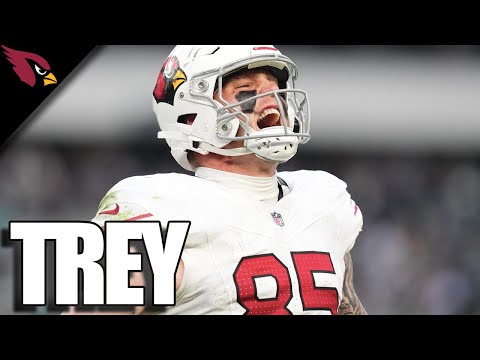
Trey McBride Highlights | 2025 - 2026 NFL Season - Cardinals
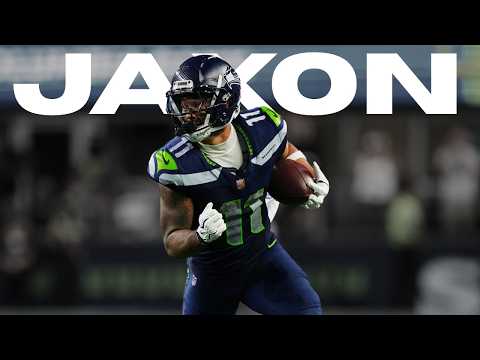
Jaxon Smith-Njigba Highlights | Best WR in the NFL
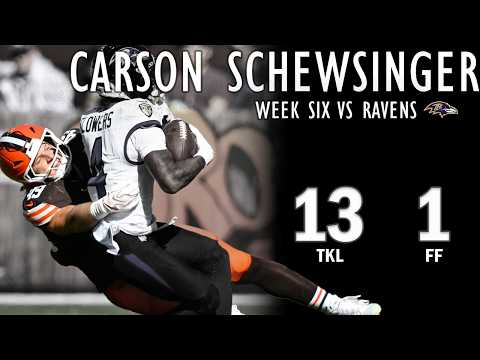
Carson Schwesinger Week 6 Highlights | NFL 2026 - Cleveland Browns
Chart basis: counts from Sport on Earth’s own carried data files at build time — verified videos carried for this sport (the verified pool: sport-videos.json + the desk league pools), news items carried (news.json), and league pages carried (desk.json). No external or estimated figures.
The filter sorts the Review Room embeds and the picture cards above by the keywords in their carried titles (review / analysis / recap and similar, or highlights). It runs entirely in your browser — nothing is sent anywhere.
Hall of Fame
This page carries the sport’s two principal halls: the Pro Football Hall of Fame (the professional game) and the College Football Hall of Fame (the college game).
Pro Football Hall of Fame
Canton, Ohio, United States
387 inductees — every name on the hall's published list, grouped by class year.
All 387 inductees by class year
1963 — Sammy Baugh (Quarterback Pre-Modern Era: Two-Way Performer) · Bert Bell (Team owner/founder) · Johnny Blood (Halfback Pre-Modern Era: Two-Way Performer) · Joseph Carr (Team owner) · Dutch Clark (Running back Pre-Modern Era: Two-Way Performer) · Harold "Red" Grange (Halfback Pre-Modern Era: Two-Way Performer) · George Halas (NFL co-organizer) · Mel Hein (Center Pre-Modern Era: Two-Way Performer) · Pete Henry (Tackle Pre-Modern Era: Two-Way Performer Punter Kicker) · Cal Hubbard (Tackle Pre-Modern Era: Two-Way Performer) · Don Hutson (Offensive end Pre-Modern Era: Two-Way Performer) · Earl "Curly" Lambeau (Founder) · Tim Mara (Team owner/founder) · George Preston Marshall (Team owner/founder) · Bronko Nagurski (Fullback Pre-Modern Era: Two-Way Performer) · Ernie Nevers (Fullback Pre-Modern Era: Two-Way Performer) · Jim Thorpe (Halfback/coach Pre-Modern Era: Two-Way Performer)
1964 — Jimmy Conzelman (Quarterback Pre-Modern Era: Two-Way Performer) · Ed Healey (Tackle Pre-Modern Era: Two-Way Performer) · Clarke Hinkle (Fullback Pre-Modern Era: Two-Way Performer) · William R. Lyman (Tackle Pre-Modern Era: Two-Way Performer) · Mike Michalske (Guard Pre-Modern Era: Two-Way Performer) · Art Rooney (Team owner/founder) · George Trafton (Center Pre-Modern Era: Two-Way Performer)
1965 — Guy Chamberlin (End Pre-Modern Era: Two-Way Performer) · John "Paddy" Driscoll (Quarterback Pre-Modern Era: Two-Way Performer) · Dan Fortmann (Guard Pre-Modern Era: Two-Way Performer) · Otto Graham (Quarterback) · Sid Luckman (Quarterback Pre-Modern Era: Two-Way Performer) · Steve Van Buren (Halfback Pre-Modern Era: Two-Way Performer) · Bob Waterfield (Quarterback)
1966 — Bill Dudley (Halfback Pre-Modern Era: Two-Way Performer) · Joe Guyon (Halfback Pre-Modern Era: Two-Way Performer) · Arnie Herber (Quarterback Pre-Modern Era: Two-Way Performer) · Walt Kiesling (Guard Pre-Modern Era: Two-Way Performer) · George McAfee (Halfback Pre-Modern Era: Two-Way Performer) · Steve Owen (Tackle Pre-Modern Era: Two-Way Performer) · Hugh "Shorty" Ray (Technical advisor on rules, Supervisor of officials) · Bulldog Turner (Center Pre-Modern Era: Two-Way Performer)
1967 — Chuck Bednarik (Center Two-Way Performer) · Charles Bidwill (Team owner) · Paul Brown (Coach/general manager) · Bobby Layne (Quarterback/placekicker) · Dan Reeves (Team owner) · Ken Strong (Halfback/placekicker Pre-Modern Era: Two-Way Performer) · Joe Stydahar (Tackle Pre-Modern Era: Two-Way Performer) · Emlen Tunnell (Safety)
1968 — Cliff Battles (Halfback Pre-Modern Era: Two-Way Performer) · Art Donovan (Defensive tackle) · Elroy (Crazylegs) Hirsch (Halfback) · Wayne Millner (End Pre-Modern Era: Two-Way Performer) · Marion Motley (Fullback) · Charley Trippi (Halfback) · Alex Wojciechowicz (Center/linebacker Pre-Modern Era: Two-Way Performer)
1969 — Albert Glen "Turk" Edwards (Tackle Pre-Modern Era: Two-Way Performer) · Greasy Neale (Coach) · Leo Nomellini (Defensive tackle) · Joe Perry (Fullback) · Ernie Stautner (Defensive tackle)
1970 — Jack Christiansen ^ (Safety/kick returner) · Tom Fears ^ (Wide receiver) · Hugh McElhenny (Halfback) · Pete Pihos ^ (End Pre-Modern Era: Two-Way Performer)
1971 — Jim Brown (Fullback) · Bill Hewitt (End Pre-Modern Era: Two-Way Performer) · Frank "Bruiser" Kinard (Tackle Pre-Modern Era: Two-Way Performer) · Vince Lombardi ^ (General manager) · Andy Robustelli (Defensive end) · Y. A. Tittle (Quarterback) · Norm Van Brocklin (Quarterback)
1972 — Lamar Hunt ^ (AFL co-founder) · Gino Marchetti (Defensive end) · Ollie Matson (Halfback) · Ace Parker ^ (Quarterback Pre-Modern Era: Two-Way Performer)
1973 — Raymond Berry (Wide receiver) · Jim Parker (Guard/tackle) · Joe Schmidt (Linebacker)
1974 — Tony Canadeo (Halfback Pre-Modern Era: Two-Way Performer) · Bill George (Linebacker) · Lou Groza (Offensive tackle/kicker) · Dick "Night Train" Lane (Cornerback)
1975 — Rosey Brown (Offensive tackle) · George Connor (Linebacker) · Dante Lavelli (Offensive end) · Lenny Moore (Halfback)
1976 — Ray Flaherty ^ (End Pre-Modern Era: Two-Way Performer) · Len Ford (Defensive end) · Jim Taylor (Fullback)
1977 — Frank Gifford (Halfback/flanker) · Forrest Gregg (Offensive tackle/guard) · Gale Sayers (Halfback) · Bart Starr (Quarterback) · Bill Willis ^ (Defensive middle guard)
1978 — Lance Alworth (Wide receiver) · Weeb Ewbank (Coach) · Alphonse "Tuffy" Leemans ^ (Halfback/fullback Pre-Modern Era: Two-Way Performer) · Ray Nitschke (Middle linebacker) · Larry Wilson (Safety)
1979 — Dick Butkus (Linebacker) · Yale Lary (Safety/punter) · Ron Mix ^ (Offensive tackle) · Johnny Unitas (Quarterback)
1980 — Herb Adderley (Cornerback) · Deacon Jones (Defensive end) · Bob Lilly (Defensive tackle) · Jim Otto (Center)
1981 — Red Badgro ^ (End Pre-Modern Era: Two-Way Performer) · George Blanda (Quarterback/placekicker) · Willie Davis (Defensive end) · Jim Ringo (Center)
1982 — Doug Atkins (Defensive end) · Sam Huff (Linebacker) · George Musso ^ (Tackle, Guard Pre-Modern Era: Two-Way Performer) · Merlin Olsen (Defensive tackle)
1983 — Bobby Bell ^ (Linebacker/defensive end) · Sid Gillman (Coach) · Sonny Jurgensen (Quarterback) · Bobby Mitchell ^ (Flanker/halfback/kickoff/punt returner) · Paul Warfield (Wide receiver)
1984 — Willie Brown (Cornerback) · Mike McCormack (Offensive tackle) · Charley Taylor (Wide receiver) · Arnie Weinmeister ^ (Defensive tackle)
1985 — Frank Gatski (Center) · Joe Namath (Quarterback) · Pete Rozelle (General manager) · O. J. Simpson (Running back) · Roger Staubach (Quarterback)
1986 — Paul Hornung (Halfback/placekicker) · Ken Houston (Safety) · Willie Lanier (Middle linebacker) · Fran Tarkenton (Quarterback) · Doak Walker (Halfback/placekicker)
1987 — Larry Csonka (Fullback) · Len Dawson (Quarterback) · Joe Greene (Defensive tackle) · John Henry Johnson (Fullback) · Jim Langer (Center) · Don Maynard (Wide receiver) · Gene Upshaw (Guard)
1988 — Fred Biletnikoff (Wide receiver) · Mike Ditka (Tight end) · Jack Ham (Outside linebacker) · Alan Page (Defensive tackle)
1989 — Mel Blount (Cornerback) · Terry Bradshaw (Quarterback) · Art Shell (Offensive tackle) · Willie Wood (Safety)
1990 — Buck Buchanan (Defensive tackle) · Bob Griese (Quarterback) · Franco Harris (Running back) · Ted Hendricks (Linebacker) · Jack Lambert (Middle linebacker) · Tom Landry (Coach) · Bob St. Clair ^ (Offensive tackle)
1991 — Earl Campbell (Running back) · John Hannah (Guard) · Stan Jones ^ (Offensive tackle/guard) · Tex Schramm ^ (Team administrator) · Jan Stenerud (Placekicker)
1992 — Lem Barney (Cornerback) · Al Davis (Coach) · John Mackey (Tight end) · John Riggins (Running back)
1993 — Dan Fouts (Quarterback) · Larry Little (Guard) · Chuck Noll (Coach) · Walter Payton (Running back) · Bill Walsh (Coach)
1994 — Tony Dorsett (Running back) · Bud Grant (Coach) · Jimmy Johnson ^ (Cornerback) · Leroy Kelly (Running back) · Jackie Smith (Tight end) · Randy White (Defensive tackle)
1995 — Jim Finks ^ (Team administrator) · Henry Jordan (Defensive tackle) · Steve Largent (Wide receiver) · Lee Roy Selmon ^ (Defensive end) · Kellen Winslow (Tight end)
1996 — Lou Creekmur (Offensive tackle/guard) · Dan Dierdorf (Offensive tackle) · Joe Gibbs ^ (Coach) · Charlie Joiner (Wide receiver) · Mel Renfro (Safety/cornerback)
1997 — Mike Haynes (Cornerback) · Wellington Mara (Team owner/team administrator) · Don Shula (Coach) · Mike Webster (Center)
1998 — Paul Krause (Safety) · Tommy McDonald (Wide receiver) · Anthony Muñoz (Offensive tackle) · Mike Singletary (Middle linebacker) · Dwight Stephenson (Center)
1999 — Eric Dickerson (Running back) · Tom Mack (Guard) · Ozzie Newsome (Tight end) · Billy Shaw ^ (Guard) · Lawrence Taylor (Linebacker)
2000 — Howie Long (Defensive end) · Ronnie Lott (Cornerback/safety) · Joe Montana (Quarterback) · Dan Rooney (Team owner) · Dave Wilcox ^ (Linebacker)
2001 — Nick Buoniconti ^ (Linebacker) · Marv Levy (Coach) · Mike Munchak (Guard) · Jackie Slater (Offensive tackle) · Lynn Swann (Wide receiver) · Ron Yary (Offensive tackle) · Jack Youngblood (Defensive end)
2002 — George Allen .mw-parser-output .citation{word-wrap:break-word}.mw-parser-output .citation:target{background-color:rgba(0,127,255,0.133)} (Coach) · Dave Casper (Tight end) · Dan Hampton (Defensive tackle/end) · Jim Kelly (Quarterback) · John Stallworth (Wide receiver) · George Allen (Coach)
2003 — Marcus Allen (Running back) · Elvin Bethea ^ (Defensive end) · Joe DeLamielleure ^ (Guard) · James Lofton (Wide receiver) · Hank Stram ^ (Coach)
2004 — Bob Brown (Offensive tackle) · Carl Eller (Defensive end) · John Elway (Quarterback) · Barry Sanders (Running back)
2005 — Benny Friedman ^ (Quarterback Pre-Modern Era: Two-Way Performer) · Dan Marino (Quarterback) · Fritz Pollard ^ (Halfback Pre-Modern Era: Two-Way Performer) · Steve Young (Quarterback)
2006 — Troy Aikman (Quarterback) · Harry Carson (Linebacker) · John Madden (Coach) · Warren Moon (Quarterback) · Reggie White (Defensive end/tackle) · Rayfield Wright (Offensive tackle)
2007 — Gene Hickerson (Guard) · Michael Irvin (Wide receiver) · Bruce Matthews (.mw-parser-output .plainlist ol,.mw-parser-output .plainlist ul{line-height:inherit;list-style:none;margin:0;padding:0}.mw-parser-output .plainlist ol li,.mw-parser-output .plainlist ul li{margin-bottom:0} Guard Center Tackle) · Charlie Sanders ^ (Tight end) · Thurman Thomas (Running back) · Roger Wehrli (Cornerback)
2008 — Fred Dean (Defensive end) · Darrell Green (Cornerback) · Art Monk (Wide receiver) · Emmitt Thomas ^ (Cornerback) · Andre Tippett (Linebacker) · Gary Zimmerman (Offensive tackle)
2009 — Bob Hayes (Wide receiver) · Randall McDaniel (Guard) · Bruce Smith (Defensive end) · Derrick Thomas (Linebacker) · Ralph C. Wilson (AFL co-founder) · Rod Woodson (Cornerback/safety/kick returner)
2010 — Russ Grimm (Guard) · Rickey Jackson ^ (Linebacker/defensive end) · Dick LeBeau ^ (Cornerback) · Floyd Little ^ (Running back) · John Randle (Defensive tackle) · Jerry Rice (Wide receiver) · Emmitt Smith (Running back)
2011 — Richard Dent (Defensive end) · Marshall Faulk (Running back) · Chris Hanburger ^ (Linebacker) · Les Richter ^ (Linebacker/center/kicker) · Ed Sabol ^ (Founder of NFL Films) · Deion Sanders (Cornerback/kick returner) · Shannon Sharpe (Tight end)
2012 — Jack Butler ^ (Cornerback) · Dermontti Dawson (Center) · Chris Doleman (Defensive end/linebacker) · Cortez Kennedy (Defensive tackle) · Curtis Martin (Running back) · Willie Roaf (Offensive tackle)
2013 — Larry Allen (Guard/tackle) · Cris Carter (Wide receiver) · Curley Culp ^ (Defensive tackle) · Jonathan Ogden (Offensive tackle) · Bill Parcells (Coach) · Dave Robinson ^ (Linebacker) · Warren Sapp (Defensive tackle)
2014 — Derrick Brooks (Linebacker) · Ray Guy (Punter) · Claude Humphrey (Defensive end) · Walter Jones (Offensive tackle) · Andre Reed (Wide receiver) · Michael Strahan (Defensive end) · Aeneas Williams (Cornerback)
2015 — Jerome Bettis (Running back) · Tim Brown (Wide receiver/punt returner) · Charles Haley (Defensive end/linebacker) · Bill Polian (General manager) · Junior Seau (Linebacker) · Will Shields (Guard) · Mick Tingelhoff (Center) · Ron Wolf (General manager)
2016 — Edward J. DeBartolo, Jr. (Team owner) · Tony Dungy (Coach) · Brett Favre (Quarterback) · Kevin Greene (Linebacker) · Marvin Harrison (Wide receiver) · Orlando Pace (Offensive tackle) · Ken Stabler (Quarterback) · Dick Stanfel (Guard)
2017 — Morten Andersen (Placekicker) · Terrell Davis (Running back) · Kenny Easley ^ (Safety) · Jerry Jones ^ (Team owner, president, general manager) · Jason Taylor (Defensive End) · LaDainian Tomlinson (Running back) · Kurt Warner (Quarterback)
2018 — Bobby Beathard ^ (Personnel administrator) · Robert Brazile ^ (Linebacker) · Brian Dawkins (Safety) · Jerry Kramer (Guard) · Ray Lewis (Middle linebacker) · Randy Moss (Wide receiver) · Terrell Owens (Wide receiver) · Brian Urlacher (Linebacker)
2019 — Champ Bailey (Cornerback) · Pat Bowlen ^ (Team owner) · Gil Brandt ^ (VP of player personnel) · Tony Gonzalez (Tight end) · Ty Law (Cornerback) · Kevin Mawae (Center/guard) · Ed Reed (Free safety) · Johnny Robinson (Safety)
2020 — Steve Atwater (Safety) · Isaac Bruce (Wide receiver) · Harold Carmichael (Wide receiver) · Jim Covert (Offensive tackle) · Bill Cowher (Coach) · Bobby Dillon (Defensive back) · Cliff Harris (Free safety) · Winston Hill (Offensive tackle) · Steve Hutchinson (Guard) · Edgerrin James (Running back) · Alex Karras (Defensive tackle) · Troy Polamalu (Safety) · Steve Sabol (NFL Films co-founder) · Donnie Shell (Defensive back) · Duke Slater (Tackle Pre-Modern Era: Two-Way Performer) · Mac Speedie (End) · Ed Sprinkle (End Pre-Modern Era: Two-Way Performer) · Paul Tagliabue (NFL commissioner) · George Young (Director of player personnel)
2021 — Alan Faneca (Guard) · Tom Flores (Coach) · Calvin Johnson (Wide receiver) · John Lynch (Safety) · Peyton Manning (Quarterback) · Bill Nunn ^ (Scout) · Drew Pearson (Wide receiver) · Charles Woodson (Cornerback/safety)
2022 — Tony Boselli (Offensive tackle) · Cliff Branch (Wide receiver) · LeRoy Butler (Safety) · Art McNally (Supervisor of officials) · Sam Mills (Linebacker) · Richard Seymour (Defensive end/tackle) · Dick Vermeil (Coach) · Bryant Young (Defensive end/tackle)
2023 — Ronde Barber (Cornerback/safety) · Don Coryell (Coach) · Chuck Howley ^ (Linebacker) · Joe Klecko ^ (Defensive end/defensive tackle/nose tackle) · Darrelle Revis (Cornerback) · Ken Riley ^ (Cornerback) · Joe Thomas (Offensive tackle) · Zach Thomas (Linebacker) · DeMarcus Ware (Linebacker/defensive end)
2024 — Dwight Freeney (Defensive end) · Randy Gradishar (Linebacker) · Devin Hester (Wide receiver/return specialist) · Andre Johnson (Wide receiver) · Steve McMichael (Defensive tackle) · Julius Peppers (Defensive end) · Patrick Willis (Linebacker)
2025 — Eric Allen (Cornerback) · Jared Allen (Defensive end) · Antonio Gates (Tight End) · Sterling Sharpe ^ (Wide receiver)
2026 — Drew Brees (Quarterback) · Roger Craig (Running back) · Larry Fitzgerald (Wide receiver) · Luke Kuechly (Linebacker) · Adam Vinatieri (Placekicker)
Source basis: Wikipedia — "List of Pro Football Hall of Fame inductees" (accessed Nov 1, 2026); parsed mechanically from the article’s published table. Material from Wikipedia is used under CC BY-SA 4.0..
College Football Hall of Fame
Atlanta, Georgia, United States
1360 inductees — every name on the hall's published list, grouped by class year.
All 1360 inductees by class year
1888 — Walter Camp (Coach)
1891 — Henry L. Williams (Coach)
1892 — Edward K. Hall (Coach) · John Heisman (Coach) · George Washington Woodruff (Coach)
1895 — Pop Warner (Coach)
1898 — Frank Cavanaugh (Coach) · Edward N. Robinson (Coach) · Fielding H. Yost (Coach)
1899 — Percy Haughton (Coach) · George Sanford (Coach)
1900 — Bennie Owen (Coach)
1902 — Frank "Buck" O’Neill (Coach)
1903 — William Roper (Coach)
1904 — Mike Donahue (Coach) · Dan McGugin (Coach)
1906 — Hugo Bezdek (Coach) · Gil Dobie (Coach) · Jesse Harper (Coach)
1908 — Howard Jones (Coach)
1909 — Tad Jones (Coach) · Andy Smith (Coach)
1912 — Morley Jennings (Coach)
1913 — Dana X. Bible (Coach) · John Wilce (Coach) · Robert Zuppke (Coach)
1914 — Gus Dorais (Coach) · George Little (Coach)
1915 — William Henry Dietz (Coach) · Dick Harlow (Coach) · Tuss McLaughry (Coach) · Ray Morrison (Coach) · Greasy Neale (Coach) · Clark Shaughnessy (Coach)
1916 — Ernie Godfrey (Coach)
1918 — Knute Rockne (Coach)
1919 — Charlie Bachman (Coach) · Bernie Bierman (Coach) · Homer H. Norton (Coach) · Dick Romney (Coach) · Francis Schmidt (Coach) · Jock Sutherland (Coach)
1920 — Bill Alexander (Coach) · Matty Bell (Coach) · Bob Higgins (Coach) · James Phelan (Coach)
1921 — Slip Madigan (Coach) · Herb McCracken (Coach)
1922 — Eddie Anderson (Coach) · Harvey Harman (Coach) · Bill Ingram (Coach) · Andrew Kerr (Coach)
1923 — Harry Baujan (Coach) · Frank Murray (Coach) · Edward Mylin (Coach) · Wallace Wade (Coach)
1924 — Lou Little (Coach) · Ace Mumford (Coach) · Jess Neely (Coach) · Buck Shaw (Coach)
1925 — Ike Armstrong (Coach) · Frank Thomas (Coach) · Pappy Waldorf (Coach)
1926 — Don Faurot (Coach) · Andy Gustafson (Coach) · Jack Harding (Coach) · Babe Hollingbery (Coach) · Biff Jones (Coach) · Bernie Moore (Coach) · Robert Neyland (Coach)
1927 — Carl Snavely (Coach) · Tad Wieman (Coach)
1928 — Charlie Caldwell (Coach)
1930 — Fritz Crisler (Coach) · Billy Nicks (Coach)
1931 — Scrappy Moore (Coach)
1932 — Lloyd Jordan (Coach)
1934 — Earl Blaik (Coach) · Dutch Meyer (Coach)
1935 — Biggie Munn (Coach) · Warren B. Woodson (Coach)
1936 — Jake Gaither (Coach)
1937 — Volney Ashford (Coach) · Allyn McKeen (Coach)
1938 — George Munger (Coach)
1939 — Wally Butts (Coach) · Frank Leahy (Coach)
1940 — Joe Aillet (Coach) · Frank Howard (Coach) · William D. Murray (Coach) · Red Sanders (Coach)
1941 — Forest Evashevski (Coach) · Eddie Robinson (Coach)
1942 — Jim Tatum (Coach)
1944 — Rip Engle (Coach) · Sid Gillman (Coach)
1945 — Bear Bryant (Coach) · Ed Sherman (Coach)
1946 — Len Casanova (Coach) · Woody Hayes (Coach) · Paul Hoernemann (Coach) · David M. Nelson (Coach) · Ben Schwartzwalder (Coach)
1947 — Johnny Vaught (Coach) · Bud Wilkinson (Coach)
1948 — Jess Dow (Coach) · Vernon McCain (Coach)
1949 — John Gagliardi (Coach) · Thad Vann (Coach)
1951 — Sammy Baugh (Player) · Dutch Clark (Player) · Hector Cowan (Player) · Ted Coy (Player) · Charlie Daly (Player) · Walter Eckersall (Player) · Benny Friedman (Player) · George Gipp (Player) · Red Grange (Player) · Truxtun Hare (Player) · Chic Harley (Player) · Homer Hazel (Player) · Pudge Heffelfinger (Player) · Wilbur Henry (Player) · Frank Hinkey (Player) · Bill Hollenback (Player) · Don Hutson (Player) · Bruiser Kinard (Player) · Nile Kinnick (Player) · Elmer Layden (Player) · Eddie Mahan (Player) · Bo McMillin (Player) · Harold Muller (Player) · Bronko Nagurski (Player) · Germany Schulz (Player) · Duke Slater (Player) · Amos Alonzo Stagg (Player) · Jim Thorpe (Player) · Ed Weir (Player) · Ralph Jordan (Coach) · Ara Parseghian (Coach)
1952 — Harold Burry (Coach) · Marcelino Huerta (Coach) · John Merritt (Coach)
1953 — Bob Blackman (Coach)
1954 — Doc Alexander (Player) · Stan Barnes (Player) · Bert Baston (Player) · Jim Bausch (Player) · Jay Berwanger (Player) · Gordon Brown (Player) · Chris Cagle (Player) · Frank Carideo (Player) · Jerry Dalrymple (Player) · John DeWitt (Player) · Morley Drury (Player) · Wes Fesler (Player) · Hamilton Fish III (Player) · Edgar Garbisch (Player) · Huntington Hardwick (Player) · Tom Harmon (Player) · Ed Hart (Player) · Mel Hein (Player) · Willie Heston (Player) · Jimmy Hitchcock (Player) · James Hogan (Player) · Herb Joesting (Player) · Eddie Kaw (Player) · John Kimbrough (Player) · Jim McCormick (Player) · Gene McEver (Player) · Bob McWhorter (Player) · Andy Oberlander (Player) · Bennie Oosterbaan (Player) · Bob Peck (Player) · Stan Pennock (Player) · Fritz Pollard (Player) · George Sauer (Player) · Tom Shevlin (Player) · Frank Sinkwich (Player) · Ben Ticknor (Player) · Harold Weekes (Player) · Belford West (Player) · Byron White (Player) · Ed Widseth (Player) · Duffy Daugherty (Coach) · Darrell Royal (Coach) · Gil Steinke (Coach) · Muddy Waters (Coach)
1955 — Cliff Battles (Player) · John Brown (Player) · Paul Des Jardien (Player) · Beattie Feathers (Player) · Buck Flowers (Player) · Clint Frank (Player) · Bobby Grayson (Player) · John Kilpatrick (Player) · Leroy Mercer (Player) · Davey O’Brien (Player) · Elmer Oliphant (Player) · Ace Parker (Player) · Dave Schreiner (Player) · Fred Sington (Player) · Harry Smith (Player) · Clarence Spears (Player) · Alex Wojciechowicz (Player) · Dan Devine (Coach) · Doyt Perry (Coach) · Tommy Prothro (Coach)
1956 — Frankie Albert (Player) · Lynn Bomar (Player) · Paul Christman (Player) · Bill Dudley (Player) · Walter Gilbert (Player) · Otto Graham (Player) · Howard Harpster (Player) · Jimmy Leech (Player) · Gaynell Tinsley (Player) · Kenny Washington (Player) · Don Whitmire (Player) · Jack Mollenkopf (Coach)
1957 — Johnny Mack Brown (Player) · Hunter Carpenter (Player) · Bill Corbus (Player) · Pete Mauthe (Player) · Marshall Newell (Player) · George Pfann (Player) · Erny Pinckert (Player) · Ira Rodgers (Player) · Ken Strong (Player) · John Weller (Player) · Dick Wildung (Player) · Frank Broyles (Coach) · Dick Colman (Coach) · Don Coryell (Coach) · Bob Devaney (Coach)
1958 — Charley Barrett (Player) · Dave Campbell (Player) · Marshall Goldberg (Player) · Harry Kipke (Player) · Pug Lund (Player) · Frank Schwab (Player) · Harry Stuhldreher (Player) · Harry Young (Player) · Frank Kush (Coach) · Billy J. Murphy (Coach) · Lee Tressel (Coach)
1959 — Bobby Dodd (Player) · Herman Hickman (Player) · Carl Hinkle (Player) · Stan Keck (Player) · Banks McFadden (Player) · Henry Phillips (Player) · Charley Trippi (Player) · Doak Walker (Player) · Bobby Bowden (Coach) · Wayne Hardin (Coach) · Fred Martinelli (Coach) · Darrell Mudra (Coach) · John Ralston (Coach)
1960 — Ki Aldrich (Player) · Buzz Borries (Player) · Charlie Gelbert (Player) · Gordon Locke (Player) · Sid Luckman (Player) · Johnny Lujack (Player) · Neil Snow (Player) · Bulldog Turner (Player) · Earl Banks (Coach) · Ray Graves (Coach) · John McKay (Coach) · Grant Teaff (Coach)
1961 — Glenn Davis (Player) · Weldon Humble (Player) · Charlie Justice (Player) · George McAfee (Player) · Vince Pazzetti (Player) · Claude Reeds (Player) · Bob Reynolds (Player) · Bob Suffridge (Player) · Jerry Claiborne (Coach) · Doug Porter (Coach) · Ron Schipper (Coach)
1962 — Benny Lee Boynton (Player) · Guy Chamberlin (Player) · Dan Hill (Player) · Cal Hubbard (Player) · Philip King (Player) · John McEwan (Player) · John Minds (Player) · Pat O’Dea (Player) · Joe Routt (Player) · Bill Spears (Player) · Andy Wyant (Player) · Hayden Fry (Coach) · Charles McClendon (Coach) · Frosty Westering (Coach) · Bill Yeoman (Coach)
1963 — Alex Agase (Player) · George Connor (Player) · Edwin Hale (Player) · Ken Kavanaugh (Player) · Lee McClung (Player) · Cliff Montgomery (Player) · Peter Pund (Player) · Monk Simons (Player) · Ed Tryon (Player) · Charles Wharton (Player) · Marino Casem (Coach) · Bo Schembechler (Coach)
1964 — Doc Blanchard (Player) · Chuck Carroll (Player) · Ray Evans (Player) · Bob Herwig (Player) · Pooley Hubert (Player) · Langdon Lea (Player) · Bill Mallory (Player) · Charles Rinehart (Player) · Kyle Rote (Player) · Bill Sprackling (Player) · Doug Dickey (Coach) · Vince Dooley (Coach) · Ron Harms (Coach) · Roy Kidd (Coach) · Chuck Klausing (Coach)
1965 — Jack Cannon (Player) · Merle Gulick (Player) · Tom Hamilton (Player) · Brud Holland (Player) · George McLaren (Player) · Eric Tipton (Player) · James Williams (Player) · Carmen Cozza (Coach) · Gene Stallings (Coach)
1966 — Everett Bacon (Player) · Albie Booth (Player) · Chuck Carney (Player) · Charlie Conerly (Player) · Jim Crowley (Player) · Jack Hubbard (Player) · Frank Juhan (Player) · Dick Kazmaier (Player) · John McGovern (Player) · Edgar Miller (Player) · Pete Pihos (Player) · Aaron Rosenberg (Player) · Norm Van Brocklin (Player) · Joe Paterno (Coach) · Tubby Raymond (Coach)
1967 — Slade Cutter (Player) · Nathan Dougherty (Player) · Joel Hunt (Player) · Cecil Isbell (Player) · Abe Mickal (Player) · Wear Schoonover (Player) · Paul Schwegler (Player) · Herb Stein (Player) · Francis Wistert (Player) · Jim Butterfield (Coach) · Larry Korver (Coach) · Roy Kramer (Coach)
1968 — Eddie Casey (Player) · Zora Clevenger (Player) · Jonas Ingram (Player) · Hank Ketcham (Player) · Bobby Layne (Player) · John Pingel (Player) · Eddie Rogers (Player) · Vince Stevenson (Player) · Adam Walsh (Player) · Albert Wistert (Player) · Buddy Young (Player) · Gene Carpenter (Coach) · Don Nehlen (Coach) · Ad Rutschman (Coach)
1969 — Knowlton Ames (Player) · Chuck Bednarik (Player) · George Brooke (Player) · Paul Bunker (Player) · George Cafego (Player) · Pa Corbin (Player) · Edwin Horrell (Player) · Les Horvath (Player) · Jimmy Johnson (Player) · Larry Kelley (Player) · Bill Kelly (Player) · Johnny Kitzmiller (Player) · Gerald Mann (Player) · Art Poe (Player) · Walter Steffen (Player) · Art Wheeler (Player) · Jim Christopherson (Coach) · Roger Harring (Coach) · Lou Holtz (Coach) · Bill Manlove (Coach) · Dave Maurer (Coach)
1970 — Ed Bock (Player) · Josh Cody (Player) · John Dalton (Player) · Tom Davies (Player) · Albert Exendine (Player) · Clarence Herschberger (Player) · Art Hillebrand (Player) · Dixie Howell (Player) · Myles Lane (Player) · Don Miller (Player) · Winchester Osgood (Player) · Bill Reid (Player) · Ernie Smith (Player) · Bud Sprague (Player) · Sam Thorne (Player) · John Tigert (Player) · Frank Wickhorst (Player) · Clint Wyckoff (Player) · Tom Beck (Coach) · Jim Sochor (Coach)
1971 — Albert Benbrook (Player) · Charley Brewer (Player) · Gary Cochran (Player) · Bill Edwards (Player) · Nello Falaschi (Player) · Doc Fenton (Player) · Joe Guyon (Player) · Bill Hickok (Player) · Clarke Hinkle (Player) · Glenn Killinger (Player) · Bobby Marshall (Player) · Rags Matthews (Player) · Dan McMillan (Player) · Alex Moffat (Player) · Bill Morley (Player) · Ernie Nevers (Player) · Louis Salmon (Player) · Joe Schmidt (Player) · Clyde Scott (Player) · Bob Steuber (Player) · Joe Thompson (Player) · Bob Torrey (Player) · Bill Warner (Player) · Bill Willis (Player) · Don James (Coach) · Dick MacPherson (Coach)
1972 — Mac Aldrich (Player) · John Beckett (Player) · Angelo Bertelli (Player) · Doug Bomeisler (Player) · Bob Butler (Player) · Ray Eichenlaub (Player) · Bob Fenimore (Player) · Bob "Bones" Hamilton (Player) · Ellery Huntington Jr. (Player) · Mort Kaer (Player) · Joe Kapp (Player) · Bart Macomber (Player) · Bill Morton (Player) · John O’Hearn (Player) · Charlie O’Rourke (Player) · Bruce P. Smith (Player) · Everett Strupper (Player) · Joe Stydahar (Player) · Harry Van Surdam (Player) · Percy Wendell (Player) · Bowden Wyatt (Player) · Bill Bowes (Coach) · Earle Bruce (Coach) · LaVell Edwards (Coach) · Joe Fusco (Coach) · Frank Girardi (Coach) · Billy Joe (Coach)
1973 — Earl Abell (Player) · Harold Ballin (Player) · Larry Bettencourt (Player) · Johnny Cain (Player) · Fred Crawford (Player) · Aubrey Devine (Player) · Bob Fisher (Player) · Forest Geyer (Player) · Vic Hanson (Player) · Leon Hart (Player) · Art Howe (Player) · Johnny Maulbetsch (Player) · Bill McColl (Player) · Donn Moomaw (Player) · Billy Neighbors (Player) · Bill Osmanski (Player) · Endicott Peabody (Player) · Henry Seibels (Player) · Murray Shelton (Player) · Gaylord Stinchcomb (Player) · Clarence Swanson (Player) · Hube Wagner (Player) · Bobby Wilson (Player) · Harry Wilson (Player) · Willie Jeffries (Coach) · Tom Osborne (Coach) · Barry Switzer (Coach) · George Welsh (Coach) · Jim Young (Coach)
1974 — Harry Agganis (Player) · Hunk Anderson (Player) · Paddy Driscoll (Player) · John Ferraro (Player) · Bill Fincher (Player) · Ed Healey (Player) · Elroy Hirsch (Player) · Barton Koch (Player) · Malcolm Kutner (Player) · Don Lourie (Player) · Bob Maxwell (Player) · Shorty Miller (Player) · Jim Parker (Player) · Barney Poole (Player) · Marchy Schwartz (Player) · Mal Stevens (Player) · Ed Travis (Player) · Joe Utay (Player) · Bill Vessels (Player) · Alex Weyand (Player) · Pat Dye (Coach) · Rudy Hubbard (Coach)
1975 — Alan Ameche (Player) · Hobey Baker (Player) · Don Coleman (Player) · Ave Daniell (Player) · Pete Dawkins (Player) · Glen "Turk" Edwards (Player) · Paul Giel (Player) · Frank Gifford (Player) · Chet Gladchuk (Player) · Walter Gordon (Player) · Lester Lautenschlaeger (Player) · Jack McDowall (Player) · Harry Newman (Player) · Joe Skladany (Player) · John Smith (Player) · Harrison Stafford (Player) · Dale Van Sickel (Player) · Cotton Warburton (Player) · Gus Welch (Player) · Gust Zarnas (Player) · Dick Strahm (Coach)
1976 — Eddie Cameron (Player) · John David Crow (Player) · Tom Fears (Player) · Vic Janowicz (Player) · Darold Jenkins (Player) · Vic Markov (Player) · Ollie Matson (Player) · Creighton Miller (Player) · Jackie Parker (Player) · Bill Swiacki (Player) · Dexter Very (Player) · Chris Ault (Coach) · Frank Cignetti Sr. (Coach) · Terry Donahue (Coach) · Ted Kessinger (Coach) · John Robinson (Coach)
1977 — Reds Bagnell (Player) · Bill Banker (Player) · Joe Bellino (Player) · Zygmont Czarobski (Player) · Jim Daniell (Player) · Sam Francis (Player) · Rod Franz (Player) · Bob MacLeod (Player) · Century Milstead (Player) · Leo Nomellini (Player) · John Cooper (Coach) · Boots Donnelly (Coach) · W. C. Gorden (Coach)
1978 — Bobby Davis (Player) · Dan Fortmann (Player) · Frank "Nordy" Hoffman (Player) · Harvey Jablonsky (Player) · Gomer Jones (Player) · Ron Kramer (Player) · Buster Ramsey (Player) · Frank Sundstrom (Player) · Bill Wallace (Player) · Herb Deromedi (Coach) · Danny Ford (Coach) · Dick Sheridan (Coach)
1979 — Howard "Hopalong" Cassady (Player) · Ernie Davis (Player) · Johnny Lattner (Player) · Augie Lio (Player) · Dick Maegle (Moegle) (Player) · Ed McGinley (Player) · Ernie Rentner (Player) · Tom Scott (Player) · Vernon Smith (Player) · Herman Wedemeyer (Player) · Jerry Moore (Coach) · Bob Reade (Coach) · Andy Talley (Coach)
1980 — Charlie Berry (Player) · Tay Brown (Player) · Glenn Dobbs (Player) · Ed Franco (Player) · Bob Gain (Player) · Sam Huff (Player) · Cal Jones (Player) · Steve Lach (Player) · Eddie LeBaron (Player) · Merlin Olsen (Player) · Jim Swink (Player) · Clayton Tonnemaker (Player) · Bob Ward (Player) · Barry Wood (Player) · Charlie Richard (Coach) · Ken Sparks (Coach)
1981 — Ralph Baker (Player) · Vic Bottari (Player) · Nick Drahos (Player) · Walter Koppisch (Player) · Hank Lauricella (Player) · Bob Lilly (Player) · Hugh McElhenny (Player) · Thurman McGraw (Player) · George Morris (Player) · Tommy Nobis (Player) · Roger Staubach (Player) · Herbert Sturhahn (Player) · George Taliaferro (Player) · Alvin Wistert (Player) · Frank Beamer (Coach) · Monte Cater (Coach) · Mike Kelly (Coach)
1982 — Terry Baker (Player) · Bruce Bosley (Player) · Bill Carpenter (Player) · Hugh Gallarneau (Player) · Gene Goodreault (Player) · Don Meredith (Player) · Bert Metzger (Player) · John Orsi (Player) · Jim Owens (Player) · Babe Parilli (Player) · Merv Pregulman (Player) · Eddie Price (Player) · Randy Rhino (Player) · Les Richter (Player) · Bernie Shively (Player) · Lloyd Yoder (Player) · Dennis Erickson (Coach) · John Luckhardt (Coach) · Bill McCartney (Coach)
1983 — Johnny Baker (Player) · Dick Butkus (Player) · Bill Fischer (Player) · Arnold Galiffa (Player) · Lee Roy Jordan (Player) · Charlie Krueger (Player) · Floyd Little (Player) · Bud McFadin (Player) · George Owen (Player) · Jack Scarbath (Player) · William Shakespeare (Player) · O. J. Simpson (Player) · Al Sparlis (Player) · Ernie Vick (Player) · Mack Brown (Coach) · Joe Taylor (Coach)
1984 — Lance Alworth (Player) · Warren Amling (Player) · Johnny Bright (Player) · Sam Chapman (Player) · Hollie Donan (Player) · "Mean Joe" Greene (Player) · Bob Griese (Player) · Bill Hartman (Player) · Jackie Jensen (Player) · Doug Kenna (Player) · George Kerr (Player) · Bobby Reynolds (Player) · Joe Romig (Player) · Red Sitko (Player) · Chuck Taylor (Player) · Fisher DeBerry (Coach) · Danny Hale (Coach) · Mel Tjeerdsma (Coach)
1985 — Doug Atkins (Player) · George Brown (Player) · Mike Garrett (Player) · Bill Glass (Player) · Don Holleder (Player) · Mike Holovak (Player) · Paul Hornung (Player) · Tommy McDonald (Player) · Fred Miller (Player) · Skip Minisi (Player) · James Moscrip (Player) · Robin Olds (Player) · Steve Reid (Player) · Riley Smith (Player) · Brock Strom (Player) · Steve Suhey (Player)
1986 — Vince Banonis (Player) · Ron Beagle (Player) · Terry Beasley (Player) · Al Blozis (Player) · John Brodie (Player) · Al DeRogatis (Player) · Mike Ditka (Player) · Paul Governali (Player) · Archie Griffin (Player) · E. J. Holub (Player) · Richie Lucas (Player) · Jack Pardee (Player) · Mel Renfro (Player) · Steve Spurrier (Player) · Waddy Young (Player) · Larry Kehres (Coach) · Jim Tressel (Coach)
1987 — Carroll Dale (Player) · Don Heinrich (Player) · Ted Hendricks (Player) · Johnny Majors (Player) · Mike McKeever (Player) · Mike Reid (Player) · Dick Scott (Player) · Jim Ray Smith (Player) · Joe Steffy (Player) · Fran Tarkenton (Player) · George Webster (Player) · Bob Westfall (Player) · Tommy Yarr (Player) · Ron Yary (Player) · Dick Farley (Coach)
1988 — Maxie Baughan (Player) · Gary Beban (Player) · Forrest Behm (Player) · Marty Below (Player) · Bob Chappuis (Player) · Darrell Lester (Player) · Jack Riley (Player) · Ron Sellers (Player) · Lee Roy Selmon (Player) · Bubba Smith (Player) · Bob Williams (Player) · George Wilson (Player)
1989 — Donny Anderson (Player) · J. C. Caroline (Player) · Paul Cleary (Player) · Larry Csonka (Player) · Bump Elliott (Player) · Roman Gabriel (Player) · John Green (Player) · Matt Hazeltine (Player) · Bob Johnson (Player) · Ted Kwalick (Player) · Archie Manning (Player) · Edgar Manske (Player) · Bob Schloredt (Player) · Aurealius Thomas (Player) · R. C. Slocum (Coach) · Bill Snyder (Coach)
1990 — Don Bosseler (Player) · Ron Burton (Player) · Earl Campbell (Player) · Jack Cloud (Player) · Jack Ham (Player) · Leroy Keyes (Player) · Vaughn Mancha (Player) · Mike McGee (Player) · Wayne Millner (Player) · Ed Molinski (Player) · Jim Plunkett (Player) · Max Starcevich (Player) · John Tavener (Player) · Barry Alvarez (Coach) · Jim Donnan (Coach) · Jim Margraff (Coach) · Nick Saban (Coach)
1991 — Hub Bechtol (Player) · Bobby Bell (Player) · Fred Biletnikoff (Player) · Kenny Easley (Player) · Parker Hall (Player) · Alex Karras (Player) · Ed Marinaro (Player) · Wayne Meylan (Player) · Steve Owens (Player) · George Savitsky (Player) · Hunter Scarlett (Player) · Jim Stillwagon (Player) · Pat Sullivan (Player) · Larry Blakeney (Coach) · Gary Pinkel (Coach)
1992 — Ron Johnson (Player) · Jim Lynch (Player) · Lou Michaels (Player) · Larry Morris (Player) · Craig Morton (Player) · Bob Odell (Player) · Loyd Phillips (Player) · Howard Twilley (Player) · Jim Weatherall (Player) · Art Weiner (Player) · Jack Youngblood (Player) · Phillip Fulmer (Coach)
1993 — Dick Anderson (Player) · Bob Brown (Player) · John Cappelletti (Player) · Steve DeLong (Player) · Buddy Dial (Player) · Harry Gilmer (Player) · Pat Harder (Player) · Dick Modzelewski (Player) · Alan Page (Player) · J. D. Roberts (Player) · Lynn Swann (Player)
1994 — Bob Babich (Player) · Tony Dorsett (Player) · Steve Eisenhauer (Player) · Larry Elkins (Player) · Pete Elliott (Player) · Tucker Frederickson (Player) · Jerry Groom (Player) · John Hadl (Player) · Ozzie Newsome (Player) · Gifford Nielsen (Player) · Marvin Powell (Player) · Randy White (Player)
1995 — Jim Brown (Player) · Chris Burford (Player) · Tommy Casanova (Player) · Jake Gibbs (Player) · Rich Glover (Player) · Jim Grabowski (Player) · Jim Martin (Player) · Dennis Onkotz (Player) · Rick Redman (Player) · Paul Robeson (Player) · Billy Sims (Player) · Mike Singletary (Player) · Mike Bellotti (Coach) · Lloyd Carr (Coach)
1996 — Terry Bradshaw (Player) · Buck Buchanan (Player) · Vern Den Herder (Player) · Bob Ferguson (Player) · Hugh Green (Player) · Billy Johnson (Player) · Neil Lomax (Player) · Tyrone McGriff (Player) · Frank Merritt (Player) · John Michels (Player) · Wilbert Montgomery (Player) · Bob Pellegrini (Player) · Gary Reasons (Player) · Pat Richter (Player) · Jerry Robinson (Player) · James Saxton Jr. (Player) · Jerry Tubbs (Player) · Charles White (Player) · Marc Wilson (Player) · Jim Youngblood (Player)
1997 — Ray Beck (Player) · Joe Cichy (Player) · Joe Delaney (Player) · Fred Dryer (Player) · Joe Dudek (Player) · Randy Duncan (Player) · Dave Elmendorf (Player) · Charlie Flowers (Player) · William Grinnell (Player) · Frank Hawkins (Player) · Pierce Holt (Player) · Ricky Hunley (Player) · Gary Johnson (Player) · Alex Kroll (Player) · Ken MacAfee (Player) · Ken O’Brien (Player) · Bob Reifsnyder (Player) · Dave Rimington (Player) · Dave Robinson (Player) · George Rogers (Player) · Gale Sayers (Player) · Bruce Taylor (Player) · Lynn Thomsen (Player) · Paul Johnson (Coach)
1998 — Jeff Bentrim (Player) · Al Brosky (Player) · Brad Budde (Player) · Tom Deery (Player) · Kenneth Dement (Player) · Randy Gradishar (Player) · Bo Jackson (Player) · Mel Long (Player) · Larry Pugh (Player) · Jerry Rhome (Player) · Jim Ritcher (Player) · Richard Ritchie (Player) · Johnny Roland (Player) · Alex Sarkisian (Player) · Donnie Shell (Player) · Bill Stanfill (Player) · Danny White (Player) · Frank Solich (Coach)
1999 — George Bork (Player) · Ross Browner (Player) · Teel Bruner (Player) · Chuck Dicus (Player) · George Floyd (Player) · Bill Fralic (Player) · Willie Galimore (Player) · Chris Gilbert (Player) · John Hannah (Player) · Billy Kilmer (Player) · Steve Kiner (Player) · Jim LeClair (Player) · Chuck Long (Player) · Frank Loria (Player) · Jim McMahon (Player) · Joe Palumbo (Player) · Walter Payton (Player) · Greg Pruitt (Player) · Randy Trautman (Player) · Herschel Walker (Player) · Ed White (Player) · Bob Stoops (Coach)
2000 — Marcus Allen (Player) · Johnny Bailey (Player) · Kurt Burris (Player) · Bill Cooper (Player) · Brad Crawford (Player) · Dan Dierdorf (Player) · Bob Dove (Player) · John Elway (Player) · Terry Hoage (Player) · Stan Jones (Player) · Willie Lanier (Player) · Johnny Musso (Player) · John Outland (Player) · Johnny Rodgers (Player) · Harley Sewell (Player) · Billy Ray Smith (Player) · Eddie Talboom (Player) · Paul "Tank" Younger (Player) · Gary Patterson (Coach)
2001 — Jon Arnett (Player) · Kevin Butler (Player) · Anthony Carter (Player) · Dick Duden (Player) · Ralph Guglielmi (Player) · Jim Haslett (Player) · Mike Haynes (Player) · John Hicks (Player) · Keith Jackson (Player) · Terry Kinard (Player) · D. D. Lewis (Player) · Gordie Lockbaum (Player) · Don McCauley (Player) · Bill Redell (Player) · Glenn Ressler (Player) · Freddie Scott (Player) · Brad Van Pelt (Player) · Doug Williams (Player) · Steve Young (Player) · Urban Meyer (Coach) · Mark Richt (Coach)
2002 — Tony Blazine (Player) · Harry Carson (Player) · Rod Cason (Player) · George Franck (Player) · Kenny Gamble (Player) · Charlie Green (Player) · Tim Green (Player) · Cosmo Iacavazzi (Player) · John Jefferson (Player) · Brent Jones (Player) · Ronnie Lott (Player) · Dan Marino (Player) · Napoleon McCallum (Player) · Reggie McKenzie (Player) · Jerry Sisemore (Player) · Gary Spani (Player) · Reggie White (Player) · Kellen Winslow (Player)
2003 — Ricky Bell (Player) · Murry Bowden (Player) · Tom Brown (Player) · Brad Calip (Player) · Jim Covert (Player) · Jerry LeVias (Player) · Dwayne Nix (Player) · Ron Pritchard (Player) · John Rauch (Player) · Scott Reppert (Player) · Willie Richardson (Player) · Calvin Roberts (Player) · Barry Sanders (Player) · Ben Stevenson (Player) · Joe Theismann (Player) · Roger Wehrli (Player)
2004 — Bob Anderson (Player) · Tony Casillas (Player) · Harold Davis (Player) · Frank Emanuel (Player) · Darrell Green (Player) · Ray Guy (Player) · Garney Henley (Player) · Jackie Hunt (Player) · Jim Mandich (Player) · Lydell Mitchell (Player) · Tracy Rocker (Player) · Dan Ross (Player) · Bill Stromberg (Player) · Jack Tatum (Player) · Andre Ware (Player) · Charle Young (Player) · Mark Dantonio (Coach)
2005 — Mike Barber (Player) · Kirk Baumgartner (Player) · Cornelius Bennett (Player) · Tom Curtis (Player) · Anthony Davis (Player) · Keith Dorney (Player) · Jim Houston (Player) · John Huarte (Player) · Leo Lewis (Player) · Willie Totten (Player) · Joe Washington (Player) · Paul Wiggin (Player) · David Williams (Player)
2006 — Bobby Anderson (Player) · Bennie Blades (Player) · Kevin Dent (Player) · Carl Eller (Player) · Steve Emtman (Player) · Thomas Everett (Player) · John Friesz (Player) · Chad Hennings (Player) · Chip Kell (Player) · Roosevelt Leaks (Player) · Ronnie Mallett (Player) · Mark May (Player) · Mike Phipps (Player) · Jerry Rice (Player) · Mike Rozier (Player) · Jeff Siemon (Player) · Bruce B. Smith (Player) · Emmitt Smith (Player) · Charlie Ward (Player) · Chris Petersen (Coach)
2007 — Tom Brahaney (Player) · Dave Brown (Player) · Jeff Davis (Player) · Doug Flutie (Player) · Tracy Ham (Player) · Johnnie Johnson (Player) · Joe Kendall (Player) · Rex Kern (Player) · Ahmad Rashad (Player) · Frank Sheptock (Player) · Anthony Thompson (Player) · Jessie Tuggle (Player) · Wilson Whitley (Player) · Reggie Williams (Player) · Richard Wood (Player) · Chris Zorich (Player)
2008 — Troy Aikman (Player) · Jim Ballard (Player) · Billy Cannon (Player) · Jim Dombrowski (Player) · Pat Fitzgerald (Player) · Wilber Marshall (Player) · Rueben Mayes (Player) · Randall McDaniel (Player) · Ronald McKinnon (Player) · Don McPherson (Player) · Jay Novacek (Player) · Dave Parks (Player) · John Randle (Player) · Brad Rowland (Player) · Ron Simmons (Player) · Jerry Stovall (Player) · Thurman Thomas (Player) · Arnold Tucker (Player)
2009 — Pervis Atkins (Player) · Roger Brown (Player) · Tim Brown (Player) · Chuck Cecil (Player) · Fred Dean (Player) · Ed Dyas (Player) · Major Harris (Player) · Gordon Hudson (Player) · William Lewis (Player) · Woodrow Lowe (Player) · Ken Margerum (Player) · Steve McMichael (Player) · Sam Mills (Player) · Rod Smith (Player) · Chris Spielman (Player) · Larry Station (Player) · Pat Swilling (Player) · Gino Torretta (Player) · Curt Warner (Player) · Grant Wistrom (Player)
2010 — Emerson Boozer (Player) · Troy Brown (Player) · Dennis Byrd (Player) · Ronnie Caveness (Player) · Ray Childress (Player) · Randy Cross (Player) · Sam Cunningham (Player) · Mark Herrmann (Player) · Clarkston Hines (Player) · Desmond Howard (Player) · Brian Kelley (Player) · Chet Moeller (Player) · Milt Morin (Player) · Pat Tillman (Player) · Alfred Williams (Player)
2011 — Carlos Alvarez (Player) · Dexter Coakley (Player) · Doug English (Player) · Bill Enyart (Player) · Mike Favor (Player) · Eddie George (Player) · Charles Haley (Player) · Mickey Kobrosky (Player) · Marty Lyons (Player) · Russell Maryland (Player) · Deion Sanders (Player) · Jake Scott (Player) · Will Shields (Player) · Sandy Stephens (Player) · Darryl Talley (Player) · Clendon Thomas (Player) · Rob Waldrop (Player) · Gene Washington (Player)
2012 — Charles Alexander (Player) · Otis Armstrong (Player) · Steve Bartkowski (Player) · Hal Bedsole (Player) · Chris Bisaillon (Player) · Dave Casper (Player) · Ty Detmer (Player) · Jim Holder (Player) · Tommy Kramer (Player) · Rich McGeorge (Player) · Rex Mirich (Player) · Art Monk (Player) · Greg Myers (Player) · Jonathan Ogden (Player) · Gabe Rivera (Player) · Mark Simoneau (Player) · Scott Thomas (Player) · John Wooten (Player)
2013 — Ted Brown (Player) · Tedy Bruschi (Player) · Ron Dayne (Player) · Tommie Frazier (Player) · Jerry Gray (Player) · Shelby Jordan (Player) · Steve Meilinger (Player) · Joe Micchia (Player) · Orlando Pace (Player) · Art Shell (Player) · Rod Shoate (Player) · Percy Snow (Player) · Vinny Testaverde (Player) · Don Trull (Player) · Jeff Wittman (Player) · Danny Wuerffel (Player)
2014 — Dré Bly (Player) · Tony Boselli (Player) · Dave Butz (Player) · Shane Conlan (Player) · Joe Hamilton (Player) · John Huard (Player) · Darrin Nelson (Player) · Willie Roaf (Player) · John Sciarra (Player) · Sterling Sharpe (Player) · Leonard Smith (Player) · Derrick Thomas (Player) · LaDainian Tomlinson (Player) · Wesley Walls (Player)
2015 — Trev Alberts (Player) · Brian Bosworth (Player) · Bob Breunig (Player) · Sean Brewer (Player) · Ruben Brown (Player) · Wes Chandler (Player) · Thom Gatewood (Player) · Dick Jauron (Player) · Clinton Jones (Player) · Lincoln Kennedy (Player) · Rob Lytle (Player) · Michael Payton (Player) · Art Still (Player) · Zach Thomas (Player) · Ricky Williams (Player)
2016 — Marlin Briscoe (Player) · Derrick Brooks (Player) · Tom Cousineau (Player) · Randall Cunningham (Player) · Troy Davis (Player) · William Fuller (Player) · Bert Jones (Player) · Tim Krumrie (Player) · Pat McInally (Player) · Herb Orvis (Player) · Bill Royce (Player) · Mike Utley (Player) · Scott Woerner (Player) · Rod Woodson (Player)
2017 — Bob Crable (Player) · Marshall Faulk (Player) · Kirk Gibson (Player) · Matt Leinart (Player) · Peyton Manning (Player) · Bob McKay (Player) · Dat Nguyen (Player) · Adrian Peterson (Player) · Mike Ruth (Player) · Brian Urlacher (Player)
2018 — Trevor Cobb (Player) · Kerry Collins (Player) · Dave Dickenson (Player) · Dana Howard (Player) · Calvin Johnson (Player) · Paul Palmer (Player) · Ed Reed (Player) · Matt Stinchcomb (Player) · Aaron Taylor (Player) · Charles Woodson (Player)
2019 — Terrell Buckley (Player) · Rickey Dixon (Player) · London Fletcher (Player) · Jacob Green (Player) · Torry Holt (Player) · Rocket Ismail (Player) · Darren McFadden (Player) · Jake Plummer (Player) · Troy Polamalu (Player) · Joe Thomas (Player) · Lorenzo White (Player) · Patrick Willis (Player) · Vince Young (Player)
2020 — Lomas Brown (Player) · Keith Byars (Player) · Eric Crouch (Player) · Eric Dickerson (Player) · Glenn Dorsey (Player) · Jumbo Elliott (Player) · Jason Hanson (Player) · E. J. Henderson (Player) · E. J. Junior (Player) · Steve McNair (Player) · Cade McNown (Player) · Leslie O’Neal (Player) · Anthony Poindexter (Player) · David Pollack (Player) · Bob Stein (Player) · Michael Westbrook (Player) · Al Wilson (Player) · Elmo Wright (Player)
2021 — Harris Barton (Player) · David Fulcher (Player) · Dan Morgan (Player) · Carson Palmer (Player) · Tony Romo (Player) · Kenneth Sims (Player) · C. J. Spiller (Player) · Darren Sproles (Player) · Andre Tippett (Player)
2022 — LaVar Arrington (Player) · Champ Bailey (Player) · Michael Crabtree (Player) · Sylvester Croom (Player) · Mike Doss (Player) · Chuck Ealey (Player) · Kevin Faulk (Player) · Moe Gardner (Player) · Boomer Grigsby (Player) · Mike Hass (Player) · Marvin Jones (Player) · Andrew Luck (Player) · Mark Messner (Player) · Terry Miller (Player) · Rashaan Salaam (Player) · Dennis Thomas (Player) · Zach Wiegert (Player) · Roy Williams (Player)
2023 — Eric Berry (Player) · Michael Bishop (Player) · Reggie Bush (Player) · Dwight Freeney (Player) · Robert Gallery (Player) · LaMichael James (Player) · Derrick Johnson (Player) · Bill Kollar (Player) · Luke Kuechly (Player) · Jeremy Maclin (Player) · Terance Mathis (Player) · Bryant McKinnie (Player) · Corey Moore (Player) · Michael Stonebreaker (Player) · Tim Tebow (Player) · Troy Vincent (Player) · Brian Westbrook (Player) · DeAngelo Williams (Player)
2024 — Justin Blackmon (Player) · Paul Cameron (Player) · Tim Couch (Player) · Warrick Dunn (Player) · Armanti Edwards (Player) · Deon Figures (Player) · Larry Fitzgerald (Player) · Toby Gerhart (Player) · Dan Hampton (Player) · Steve Hutchinson (Player) · Antonio Langham (Player) · Randy Moss (Player) · Julius Peppers (Player) · Paul Posluszny (Player) · Dewey Selmon (Player) · Alex Smith (Player) · Kevin Smith (Player) · Chris Ward (Player) · Danny Woodhead (Player)
2025 — Montee Ball (Player) · Gregg Carr (Player) · Blake Elliott (Player) · Greg Eslinger (Player) · Terry Hanratty (Player) · Graham Harrell (Player) · John Henderson (Player) · Michael Huff (Player) · Jim Kleinsasser (Player) · Alex Mack (Player) · Terrence Metcalf (Player) · Haloti Ngata (Player) · Steve Slaton (Player) · Darrin Smith (Player) · Michael Strahan (Player) · Dennis Thurman (Player) · Michael Vick (Player) · Ryan Yarborough (Player)
2026 — Jerry Azumah (Player) · Ki-Jana Carter (Player) · Bruce Collie (Player) · George Cumby (Player) · Aaron Donald (Player) · Marvin Harrison (Player) · Garrison Hearst (Player) · Chris Hudson (Player) · Mark Ingram (Player) · Olin Kreutz (Player) · James Laurinaitis (Player) · Jordan Lynch (Player) · Herman Moore (Player) · Terence Newman (Player) · Bob Novogratz (Player) · Ndamukong Suh (Player) · Peter Warrick (Player) · Eric Weddle (Player)
Source basis: Wikipedia — "List of College Football Hall of Fame inductees (players)" (accessed Nov 1, 2026); parsed mechanically from the article’s published table; and Wikipedia — "List of College Football Hall of Fame inductees (coaches)" (accessed Nov 1, 2026); parsed mechanically from the article’s published table. Material from Wikipedia is used under CC BY-SA 4.0..
Full inductee profiles → 1353 of the 1747 inductees above carry a full verified profile — biography, induction record and verified video where one exists. The rest are list-only until a biography can be verified the same way.
📖 The American Football Playbook — every entry, plus the arcade strategy, at the foot of this page.
American Football Arcade — Penalty Launch
An arcade take on American Football: set the angle, set the power, and land the ball in the goal mouth. Five attempts; the closer to the middle, the more it scores. Arcade distances and a training arc — a game in the spirit of the sport, not a simulation of it.
More ways to play American Football
This page’s own game is the arcade above. Everything else on the site that fits this sport is listed here — and anything borrowed from a similar sport is labelled as that sport’s game, never passed off as this one’s.
- Quiz track — 12 questions on American Football, drawn from this site's own record for the sport: Quiz Tracks (choose “American Football”).
- Top Sport on Earth — American Football is one of the 455 sport cards in the SPORTS deck: play Top Sport on Earth.
- Mock Draft Simulator — run the NFL (2027–2028) drafts on the site's real boards: Mock Draft Simulator.
- More in this family — Ice Hockey Arcade — Penalty Launch: the game of Ice Hockey, a similar sport in American Football’s family.
- Everything else the site runs lives on the Games hub.
On screen
6 verified documentaries, films and series about this sport are listed in the site's screen guide: Sport on Screen — American Football.
Tools for American Football
The tools on this site that honestly run on American Football — its own record first, then the site-wide general tools that apply. The full American Football toolkit prints the ones that do not apply, with the data reason why.
Tools that run on American Football’s own record
- You Are the Referee — Branching decision trees built from this sport’s own rule-changes dossier, each ruling cited to its rule.
- Signals in the Record — The officials’ signals extracted from the rule dossiers, this sport’s included where its dossier documents them.
- The Model Lab — Re-weights carried standings archives — this sport’s archive is one of them — into rankings under your criteria. A model, never a prediction.
- Cross-Era Normalizer — Restates a team season from this sport’s standings archive against another era’s baseline, basis printed.
- Strength of Schedule — SoS tables computed from the site’s standings archives, this sport’s leagues included, formula printed.
- Anomaly Desk — Statistical outlier scans over the archives flag this sport’s strangest team seasons, each linked to its data.
- Draft Capital Board — Pick values computed from the draft boards the site carries — this sport’s league boards are among them, on the house value curve, labeled as a model.
- Field Blueprints — A scale diagram of this sport’s playing surface, dimensions as published in the governing laws its dossier cites.
- Venue Profiles — The venue directories the site carries name 275 venues for this sport, with the flagship grounds documented from the structured record.
General tools that also apply
Site-wide tools, not built for American Football alone: Tournament Planner · My Notebook · The Labs · Design Studio · The Makers’ Bench · Match Day Desk · Play It Near You · Myth-Check Desk · Governing Bodies · Heat & Safety Calculator (WBGT) · Hydration Calculator · Training-Load Planner · Game Clock & Timer · Custom Rulebook Generator · Scout Notes Parser.
Player & referee associations
Players: National Football League Players Association — The labour union for NFL players, negotiating wages, hours and working conditions and protecting players’ rights under the collective bargaining agreement.
Officials: NFL Referees Association (association) — The association describing itself as the sole and exclusive bargaining representative of all NFL game and replay officials, representing them since 1972.
Officials: College Football Officiating, LLC (officiating body) — The body formed in 2008 by the NCAA and the Collegiate Commissioners’ Association to ensure consistent application of college football rules and officiating mechanics and to act as the central leader for US college officiating.
Verified associations for this sport, from the sources listed on the players' associations and referees' associations pages.
The American Football Playbook
The Playbook · set plays, systems & situations
American football’s documented playbook vocabulary — the named concepts every offence and defence in the game is built from.
18 entries, plus the arcade strategy below. All wording is original coaching-vocabulary prose; nothing is copied from any proprietary playbook.
Inside Zone
The foundation running play of the modern game: the line blocks areas, not men, stepping together toward the play side while the back reads the first defender past the centre and cuts behind him.
When it’s used: On early downs everywhere — it needs no special personnel and answers any front.
The sequence
- The line zone-steps playside, doubling the down linemen and climbing to linebackers.
- The back aims at the outside hip of the guard and reads the nose tackle’s colour.
- He cuts once — bang it, bend it behind the double, or bounce it outside.
Power (Power-O)
Classic · gap-scheme football
The Classic man-blocking run: backside guard pulls around the down blocks to the playside linebacker, the fullback kicks the edge defender, and the back follows the convoy downhill.
When it’s used: When you need hard yards and your guard can run — the statement run of power football.
The sequence
- The playside double-teams drive the end inside; the edge defender is kicked out.
- The pulling guard wraps through the hole looking for the middle linebacker.
- The back presses the line, then follows the guard’s block inside or out.
The Play-Action Bootleg
The run action is sold with the whole line flowing one way while the quarterback keeps the ball and rolls the other, throwing on the move to receivers crossing with him.
When it’s used: Off a run the defence has started to chase — the boot turns their pursuit into the opening.
The sequence
- Line and back sell the outside run hard to the left.
- The quarterback opens away, keeps the ball hidden, and rolls right.
- Three levels flood right with him: flat, intermediate, deep cross.
Reads & counters
- If the backside end crashes down the line, the keeper himself is the play — tuck it and run.
Four Verticals
Four receivers sprint straight downfield on vertical routes, stretching the safeties until one of the seams between them breaks — the purest shot play in the book.
When it’s used: Against single-high safety coverage, or any time the defence dares you to throw deep.
The sequence
- The outside receivers release outside and stack the corners.
- The slot receivers bend their routes at the safety, toward whichever seam he vacates.
- The quarterback reads the middle safety: his first step picks the throw.
The Mesh Concept
Modern · Air Raid family
Two receivers cross shallowly over the middle from opposite sides, rubbing their defenders off on each other, with a sit route behind them as the answer to zone.
When it’s used: The Air Raid’s signature — against man coverage the rub wins; against zone the sit route settles in the hole.
The sequence
- The two crossers pass within a yard of each other at five yards depth.
- The back releases to the flat as the third option and the safety valve.
- The quarterback’s read: crossers vs man, sit vs zone, flat vs pressure.
The Screen Pass
The offence lets the rush in, the quarterback retreats and floats the ball over it to a back or receiver behind a wall of linemen who have released downfield.
When it’s used: The classic answer to a fierce pass rush: their aggression becomes your convoy.
The sequence
- Linemen show pass sets for two counts, then release to form the wall.
- The receiver drifts behind the rush, showing his numbers to the quarterback.
- The catch is made behind the line; the wall turns up and hunts defensive backs.
The RPO (Run-Pass Option)
Modern · the read is the play
The quarterback reads one defender while the play develops: if he steps up for the run, the ball is pulled and thrown behind him; if he drops, it is handed off into the lightened box.
When it’s used: The defining Modern concept — it puts a defender in a conflict he cannot win by being right.
The sequence
- The line blocks the run; the receivers run the pass; both are true at once.
- The quarterback’s eyes stay on the conflict defender through the mesh.
- Give or pull is decided in under a second — hesitation is the only wrong answer.
The Blitz Pickup and Hot Route
When the defence sends more rushers than the offence can block, the quarterback throws ’hot’ — instantly, to the receiver whose defender came on the blitz, before the rush arrives.
When it’s used: Not a play so much as the rule that keeps offences alive against pressure packages.
The sequence
- The centre and quarterback identify the extra rushers before the snap.
- The hot receiver shortens his route and looks for the ball immediately.
- The throw comes out on the third step, to the vacated area.
Cover 2
Classic · two-deep shell
Two deep safeties split the field in halves, five under-coverage defenders beneath them — the Classic defence that trades deep safety for a vulnerable middle and corners who must tackle.
When it’s used: The base defence of a generation: it dares offences to be patient underneath.
The sequence
- The corners jam the outside receivers and sink to the flats, funneling them inside.
- The middle linebacker runs the deep middle seam — the ’Tampa’ adjustment.
- The safeties read the outside receivers’ releases and split the difference.
Cover 3
One deep safety in the middle, corners taking the deep thirds, four defenders underneath — the structure behind most single-high defences and the classic answer to the run.
When it’s used: When a defence wants eight men near the line without surrendering the deep middle.
The sequence
- The corners bail to their deep thirds, eyes on the quarterback.
- The strong safety or a linebacker becomes the extra run defender in the box.
- Underneath defenders match routes in their zones — seams and curls are the stress points.
The Zone Blitz
A lineman drops into coverage while a linebacker or defensive back rushes from an unexpected angle — five rush, six cover, but nobody is where the quarterback’s rules expect.
When it’s used: The fire-zone idea that changed pass protection: the rush count is ordinary, the picture is not.
The sequence
- The defensive end bails to the flat or hook zone on the snap.
- The linebacker rushes through the gap the end left, with a safety rotating down.
- Coverage holds for the quick throw; the rush hunts the long one.
The Onside Kick
The kicking team strikes the ball so it bounces high and unpredictably after the required distance, then contests its own kick — a recovery play disguised as a kickoff.
When it’s used: When trailing late, or as a surprise: the rules give the kicking team a live ball if it travels far enough first.
The sequence
- The kicker drives the ball into the ground so it leaps on the second bounce.
- The coverage converges on the landing zone, targeting the front-line blockers’ hands team.
- The designated recovery man falls on the loose ball — possession, not yardage, is the prize.
The Hail Mary
Every eligible receiver sprints to one corner of the end zone, the quarterback buys time and throws the ball up into the crowd, and the tallest jumpers contest it while a trailer waits for the tip.
When it’s used: The last play, no time, one throw: the design is organised chaos around a jump ball.
The sequence
- The formation floods one side of the end zone — the throw has a target area, not a man.
- The quarterback launches it high so his receivers arrive under it.
- Jumpers contest the catch; the trailer plays the deflection, which scores as often as the catch.
The Two-Point Conversion — Pick Play (Rub Route)
From a bunch or stack formation, one receiver’s route legally obstructs another’s defender — within the yard the rules allow — springing the target free at the goal line.
When it’s used: Goal-to-go football: in five yards of space, separation is manufactured, not run into.
The sequence
- The bunch sets tight so defenders must declare their leverage.
- The inside receiver drives through the other defender’s path at the snap.
- The target breaks flat or out behind the rub and the ball is out on time.
Reads & counters
- Officials watch for contact beyond a yard of the line — the rub must look like a route, because it has to be one.
The QB Sneak
The simplest play in football: the quarterback takes the snap and drives straight ahead behind his centre and guards, who fire out low, while the backs push the pile.
When it’s used: Third or fourth and inches, and on the goal line: the highest-percentage short-yardage play ever measured.
The sequence
- The line fires out low and together — no pullers, no finesse.
- The quarterback follows the centre’s hip, ball in both hands, legs driving.
- The backs add their push from behind (where the rules allow) as the pile forms.
The Fake Punt / Fake Field Goal
The kicking formation hides a pass or run: a protector throws, the holder runs or passes, the upback takes a direct snap — called when the return team’s habits leave a man uncovered.
When it’s used: Only on film evidence: fakes are built on a specific opponent’s specific habit, scouted for weeks.
The sequence
- The formation and cadence are identical to the real kick — the tell would kill it.
- The uncovered gunner or the edge is the target of the throw or the run.
- Everyone else blocks it like the run or pass it actually is.
The Swing Pass / Checkdown System
When the deep reads are covered, the quarterback dumps the ball to the back in the flat — not a failure, but the designed floor of the passing game that keeps drives on schedule.
When it’s used: The discipline play: defences that take away everything deep concede this by design.
The sequence
- The back releases through the line’s wash to the flat, five yards deep.
- The quarterback’s eyes come down in rhythm — the checkdown is a read, not a panic.
- One broken tackle turns five yards into twelve, which is why the play exists.
Prevent Defence and the Hail-Mary Answer
The defence trades everything underneath for the deep ball: three rushers, eight in coverage, defenders guarding the end zone line and boxing out like rebounders at the catch point.
When it’s used: Only with a lead and seconds left — it concedes the field and defends the scoreboard.
The sequence
- Rushers stay in lanes to keep the quarterback in the pocket’s middle.
- The deepest defenders set up behind the receivers, on the goal line.
- At the throw, one contests the ball; the rest bat it down — never tip it up.
Playing the Game
Playing the Game — Penalty Launch
The arcade cell · strategy
This page’s arcade cell: launch the ball at the goal mouth from the penalty spot · 46 m (arcade scale). Angle, power, launch — five attempts, and the cell keeps your best.
When it’s used: On this page, in the Play section — and its strategy is the same craft as the book above it, miniaturised.
The sequence
- Set the angle first. The target is the goal mouth, the penalty spot · 46 m (arcade scale) — the angle is chosen for where the ball must finish, not where it starts.
- Set the power second, on the sweeping meter: the scoring zone is a band, not a point, so aim for the middle of the band you can repeat, not the edge you can imagine.
- Launch, and read the result like a rangefinder: every attempt tells you the cell’s wind — there is none, so a miss is a measurement error, and it is yours to correct on the next attempt.
- You have 5 attempts. Goals come at one end of this cell: work the angle that opens the far corner of the target, not the middle the keeper-shaped zone guards.
- The cell’s own honesty line applies: arcade distances; a game, not a simulation.
Part of the Sport on Earth Playbooks — a book for every sport and every game on the site.
Behind the Play
Behind the Play · Full treatment — from this sport’s own record
Eleven a side; advance the ball 10 yards in four downs or score touchdowns and field goals.
Behind the Play takes the decisive actions of American Football apart: how the scoring play is built, which patterns the players are really running, and which rules remade the play into its modern shape.
The shape of the play
American football was not so much invented as litigated into existence: the forward pass, the hash marks and the modern passing rules all arrived as emergency repairs to a game that kept killing its players or boring its presidents. The NFL’s own later changes are dossiered on the NFL league page.
The patterns behind the play
- Control transitions: most goals in invasion games trace back to the seconds after possession changes — organise fastest in those seconds.
- Protect the middle: defences concede the wings and guard the direct lane to goal, because central attacks finish closest.
- Numbers around the ball: attacks create local overloads — one more player than the defence near the ball — rather than attacking evenly everywhere.
- Rest defence: even while attacking, keep enough players behind the ball that one lost pass is not a goal against.
- Set pieces are rehearsed goals: a large share of goals at every level come from restarts, so corners and free kicks are trained as set plays, not interruptions.
- Width stretches, depth threatens: attacks hold width to stretch a defence horizontally and runners in behind to stretch it vertically — a defence can only fully guard one.
Rules that remade the play
The Legal Forward Pass (1906). The 1906 rules legalised the forward pass (with severe restrictions at first: an incompletion could cost possession, the passer had to be five yards behind the line, receivers could not be touched until they caught it) and outlawed mass-momentum plays, created the neutral zone, and required six men on the line. The pass was liberalised stepwise (anywhere behind the line by 1945 in the pros) until it became the sport.
Every subsequent page of football history — the T-formation, the West Coast offence, the modern pass-first NFL — is a descendant of a rule written to stop teenagers dying. The forward pass remains the sport’s founding compromise between safety and spectacle.
The 1933 Passing Liberation (and Hash Marks) (1933). The NFL split from the college code in 1933: the pass became legal from ANYWHERE behind the line, and hash marks were painted 10 yards in from each sideline, guaranteeing the ball always returned toward midfield. Goal posts moved to the goal line the same era (1933–1974) to encourage field goals.
The hash marks and the unrestricted pass location are invisible fundamentals of the modern game; the later hash-mark narrowing for the pros (1972, to goal-post width) finished the 1933 project of centring the offence.
The Kansas Plan (College Overtime) (1996 (FBS postseason 1996; regular season 1996)). The NCAA adopted alternating possessions from the opponent’s 25-yard line (the system first used in Kansas high-school football, hence the name), standardised nationally by the mid-1990s and mandatory in Division I-A from 1996. Later accretions: two-point tries mandatory from the third overtime (2003), and from 2021, alternating two-point plays from the third overtime onward to end marathons.
College overtime is now a distinct tactical sport (defence first or second, when to chase two) whose shootout endpoint is again under review — but the tie itself is extinct in American football at every major level.
From this page’s Rule Changes & Named Rules dossier, where every entry names its source.
The moves in the book
- Possession
- The period in which one team controls the ball or puck and can build an attack; the other team works to win it back.
- Counter-attack
- A rapid attack launched the moment possession is won, before the defence can reorganise into its shape.
- Pressing
- Defending high and early — closing down the ball carrier near the opponent’s own goal to force turnovers in dangerous areas.
- Marking
- Guarding an opponent: player-to-player marking follows a specific opponent; zonal marking guards an area of the field.
- Formation
- The team’s arranged shape — how its players are distributed between defence, midfield and attack.
Source basis: this sport’s carried record on this page (verified record, rule-changes dossier, history datasets) and the play patterns of its family as written in the site’s guides. Nothing here is invented.